Middle East & North Africa
Israel’s Hebron operation: Palestinian Authority says 2,670 displaced as demolitions and evacuations continue
Israel's operation in Hebron, launched after two soldiers were killed on 23 October, continues with demolitions and evacuations; the Palestinian Authority puts displacement at 2,670 people.

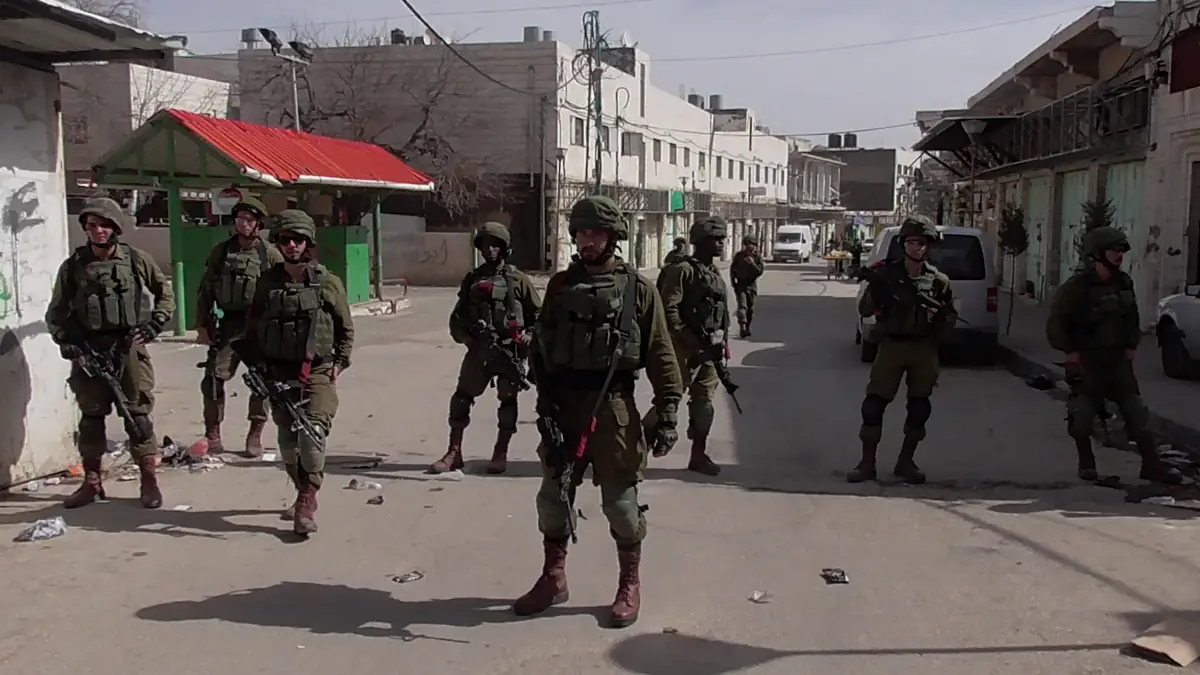
Israel’s counterterrorism operation in Hebron, launched on 23 October, was still under way on 25 October, when the Palestinian Authority said that 2,670 people had been displaced, according to the headline of a Times of Israel live blog entry. The figure is the Palestinian Authority’s own; no Israeli or United Nations total for the Hebron displacement was available in the sources read.
How the operation began
The Israeli military and the Shin Bet security service launched the operation late on Friday 23 October, after two Palestinian gunmen opened fire at a checkpoint at an exit from Hebron, killing two soldiers, Staff Sgt. Ron Yonatan Roytman and Sgt. Yuval Shai Svilem. Israeli forces killed both attackers, the military said. We reported the attack and the West Bank closure in Hebron: Five wounded in shooting attack, as Netanyahu orders a full closure of the West Bank.
According to the Times of Israel’s account of the military’s announcement, the operation was described as focused on the area from which the attackers came and expected to last several days. The army said it was carrying out searches for weapons and militant infrastructure and interrogating suspects, that residents could leave through three designated exit points after questioning, and that it was demolishing structures it called illegal and a security risk. CBS News reported that Prime Minister Benjamin Netanyahu told troops to cordon off the city, evacuate residents from the gunmen’s neighbourhood and go house to house, and that he spoke of demolishing the site where the attackers lived.
Displacement and demolitions
Figures differ by source. The Palestinian Authority’s 2,670 is the highest number found. Al Jazeera, citing its own correspondents on the ground, reported about 300 families being displaced in Hebron’s al-Jalda neighbourhood, while the Palestinian Prisoners’ Society, a Palestinian advocacy group, told the broadcaster that Israeli forces had raided hundreds of homes, turned dozens into interrogation centres and detained around 70 people between Friday and early Saturday. These are claims by Palestinian bodies and were not independently confirmed in the sources read.
The Israeli side has described the demolitions as aimed at structures that pose a security risk. Finance Minister Bezalel Smotrich ordered a series of demolitions of what he called illegal structures, the Times of Israel reported. The Israeli rights group B’Tselem said the announced plans amounted to “collective punishment and acts that could constitute war crimes”.
International reaction
Al Jazeera reported that the spokesperson of the UN human rights office, Mayy El Sheikh, described the West Bank lockdown as another in a series of measures making life harder for Palestinians, and that the spokesperson of Secretary-General Antonio Guterres voiced concern about restricted access to basic services and livelihoods. Our earlier report on the UN’s reaction is here: UN “extremely alarmed” as Israel seals the West Bank after Hebron attack: Guterres condemns record settler violence.
What is next
Israel holds national elections on Tuesday 27 October, and the West Bank has been placed under a full closure for the vote. Al Jazeera said the military had spoken of operations in dozens of other West Bank areas beyond Hebron. The military has not published an end date for the Hebron operation beyond several days.