Middle East & North Africa
Jordan arrests three suspects over the Karak attack on a Greek Orthodox church funeral that killed nine
Jordanian forces arrested three wounded men after a dawn shootout in Karak, three days after gunmen attacked a Greek Orthodox church funeral in Hmoud. Nine people are reported dead.

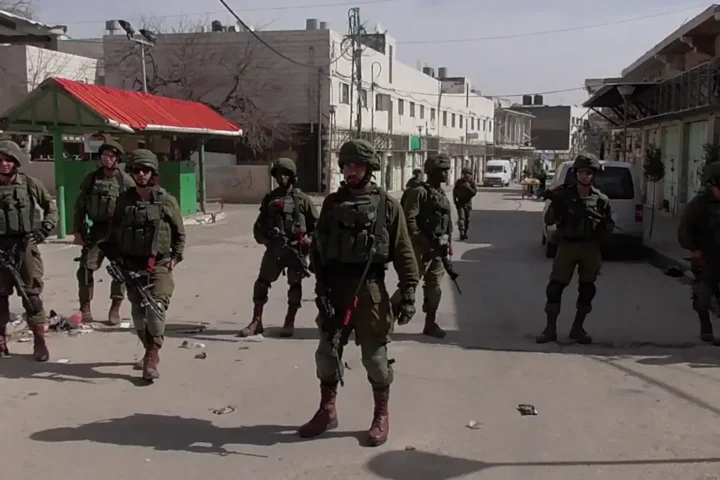
Jordanian security forces arrested three men on Monday, 26 October, after a dawn shootout in Karak, three days after gunmen attacked a Greek Orthodox church during a funeral in the village of Hmoud, in Karak governorate about 120 km south of Amman. Interior Minister Mazen al-Faraya said the three were responsible for the attack. All three were wounded in the exchange of fire and no security personnel were hurt, according to The New Arab.
What happened on Friday
The attack took place on Friday, 23 October, as a funeral procession was beginning at the church, which EWTN News identifies as St George. Al Jazeera, citing survivors, reported an explosion followed by masked attackers who entered the church and fired for several minutes. Accounts of the number of attackers differ: survivors and state media spoke of two gunmen, while EWTN, citing the authorities, reported three who arrived in a pickup truck.
The death toll has also risen. Al Jazeera reported at least seven dead and 34 wounded on the day of the attack; EWTN and The New Arab later gave nine dead, with the number of wounded put at more than two dozen by one outlet and about 40 by others. Media reports have not been reconciled on the wounded figure, and the Jordanian authorities have not published a final count in the sources read.
Official reaction and the investigation
Al-Faraya called the attack terrorist and unprecedented, according to Al Jazeera, and Public Security Director Maj. Gen. Obeidallah al-Maaytah promised that the perpetrators would be caught. After the arrests, the interior minister said: “The security services have fulfilled their duties, resulting in the capture of those who carried out this terrorist act.” He said the men had put up fierce resistance.
No group has claimed responsibility and the authorities have not named one. EWTN reported that media citing Jordanian sources described the attackers as holding a takfiri ideology, and that a public prosecutor has banned publication of investigation details, so that account should be treated as unconfirmed.
King Abdullah II vowed the “harshest penalties” for the attackers on the day of the attack and, after the arrests, ordered an “iron fist” response against those he called outlaws of Islam, The New Arab reported.
Church and international reaction
UN Secretary-General Antonio Guterres strongly condemned the attack. His spokesman Stephane Dujarric read a statement calling an assault on a funeral procession in a place of worship especially heinous, and urging that those responsible be identified and held accountable; the text is published on the UN press site. Egypt, Saudi Arabia, the UAE and Iraq were among the states that condemned it.
According to EWTN News, the Patriarchs and Heads of Churches in Jerusalem called the attack “a grave crime against God and humanity” and asked churches to ring their bells and pray at noon on Saturday. The Greek Orthodox Patriarchate of Jerusalem said the attack would not weaken the Christian presence in the region: “We are the children of this land, its living roots, and partners in its history, present, and future.” Church bells rang across Jordan and Palestine at noon on Saturday in memory of the victims.
Why it matters
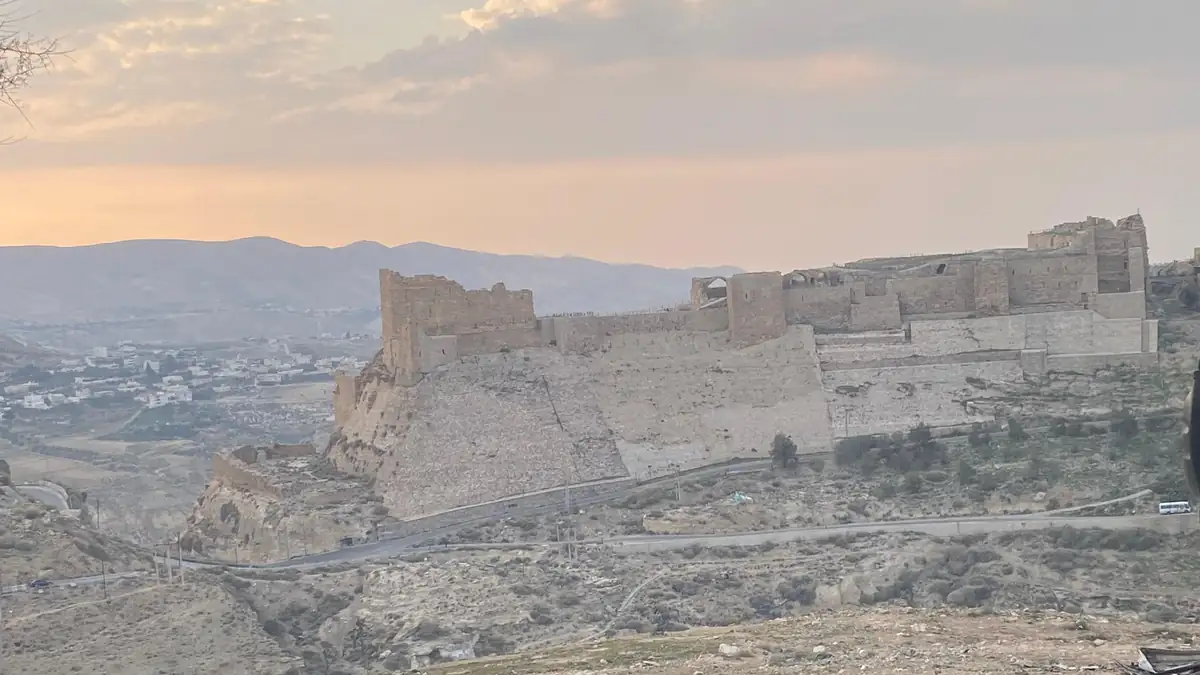
Such attacks are very rare in Jordan, where Christians number about 300,000 in a population of roughly 11.5 million, according to Al Jazeera. Karak is a town with long-established Christian and Muslim communities. Al Jazeera recalled that in 2016 an ISIL assault around the town’s Crusader-era castle killed 10 people, including security officers and a Canadian tourist.
The investigation continues, and the authorities have not yet announced charges against the three suspects.