Politics & Diplomacy
Israel and Lebanon plan October security talks in Rome
A further round of US-backed Israeli-Lebanese talks is planned for Rome in October, with border security and Lebanese sovereignty among the central issues.

Israel and Lebanon are expected to hold another round of United States-backed security talks in Rome in October, according to a US State Department official. The meeting had previously been expected sooner but was postponed, shifting the diplomatic effort into the following month rather than ending it.
The talks are intended to advance an arrangement addressing security along the Israel-Lebanon border, the authority of the Lebanese state and Israel’s demand for protection from attacks by Hezbollah. Previous rounds have not resolved the principal territorial and security disputes, and the two countries remain formally at war despite periods of ceasefire and indirect negotiation.
Washington has presented negotiations as a practical route toward restoring Lebanese sovereignty and improving Israeli security. That formulation contains difficult and sometimes competing requirements. Lebanon seeks control over all of its territory and an end to Israeli military presence, while Israel says any withdrawal must be connected to reliable measures preventing Hezbollah from rebuilding positions near the border.
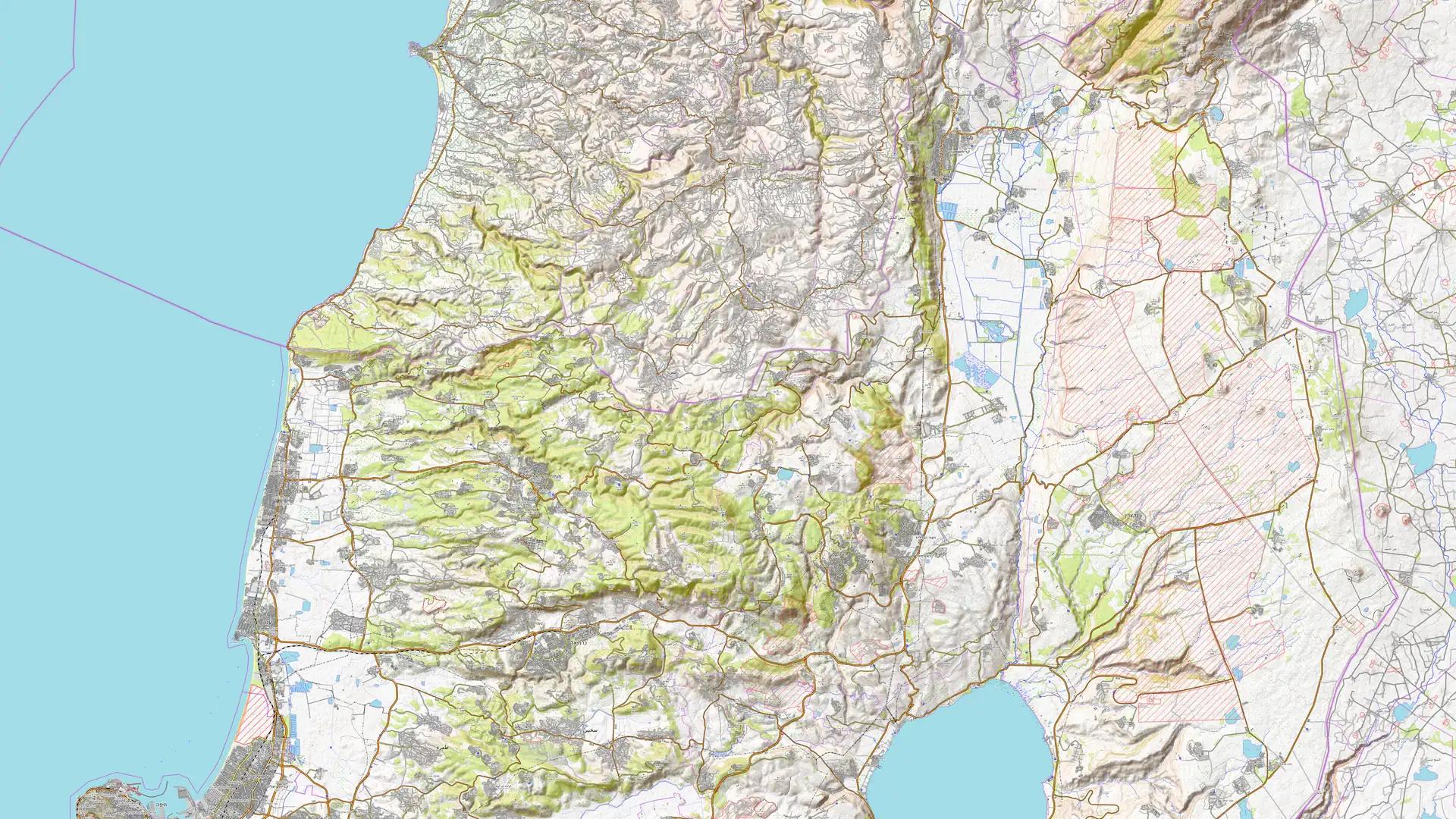
The latest diplomatic track follows renewed fighting that began in March during the wider regional conflict. Israel has maintained a buffer zone inside Lebanese territory, describing it as necessary to protect communities in northern Israel. Lebanese authorities reject violations of their territory and say the state must be able to exercise exclusive sovereignty.
Lebanon’s health ministry has reported thousands of deaths since the renewed conflict. Casualty figures from a party to a conflict require attribution, and independent verification remains difficult in active combat zones. The scale of displacement and infrastructure damage nevertheless adds urgency to efforts to prevent another prolonged round of fighting.
Before the Rome session, Lebanese and Israeli ambassadors are also expected to meet in Washington. Those contacts can help define an agenda and identify areas where technical security arrangements are possible even if a comprehensive political settlement remains distant.
Any security arrangement would require monitoring as well as political commitments. Previous understandings on the border have struggled when armed groups, national forces and international observers did not share control of the same areas. Negotiators may therefore focus on maps, verification, withdrawal sequences and the deployment of Lebanese state forces. These technical issues can be negotiated before full normalization, but they remain politically sensitive in both countries and are vulnerable to renewed fighting before the October session.
The United Nations Interim Force in Lebanon is another relevant actor because any border arrangement must operate alongside international monitoring already present in the south. Its future role has not been settled by the announcement of the Rome meeting, and negotiators have not published a draft mandate or timetable.
No final agreement has been announced, and the October meeting is a planned diplomatic event rather than a completed breakthrough. Its significance will depend on whether the parties can turn earlier discussions into verifiable steps on troop positions, weapons, border monitoring and the authority of the Lebanese government.