Africa
Sudan: UN agencies say warehouses are empty and 15.4 million need shelter, with only one in ten reached
IOM and UNHCR officials said on 6 November that relief stocks in Sudan are exhausted and the 2026 response plan is 47 per cent funded.

UN agencies working in Sudan said on 6 November that shelter, relief stocks and funding are running out, as the war that began in April 2023 between former allies turned rival military forces continues to uproot civilians. According to UN News, the appeal came from officials of the International Organization for Migration (IOM) and the UN refugee agency (UNHCR) speaking from Khartoum.
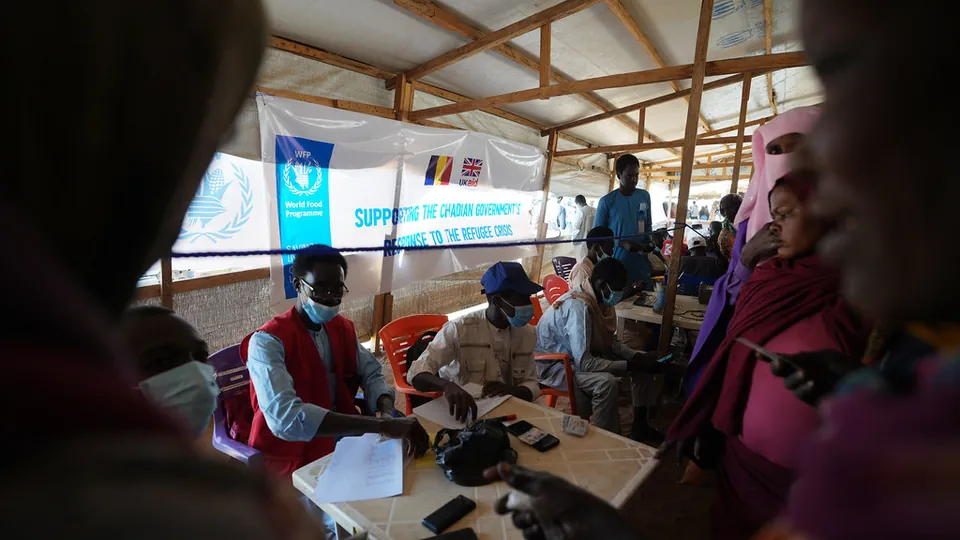
The UN reported that 15.4 million people urgently need shelter across the country. In a joint statement issued the same day, UNHCR and IOM said humanitarian agencies can currently assist only around one in ten of those in need because of funding shortages.
IOM’s chief of mission in Sudan, Mohamed Refaat, said 16 trucks had reached Darfur the previous day but were “the last that we had in our stocks”. He said he had been able to distribute more than 40,000 tonnes of relief assistance this year, but that the agency’s warehouses were now completely empty, according to the UN account.
Shifting front lines and a failed harvest
UNHCR deputy representative Abubakarr Jalloh said shifting front lines continue to force families out of their homes, leaving many without a safe place to sleep or a blanket. He said three in four internally displaced people in Sudan are women and children. Below-average rainfall linked to El Niño conditions has hit harvests in Darfur, Kordofan and other areas already affected by fighting, and food prices remain “painfully high”, he said.
The agencies warned that, unless flexible funding arrives soon, more families will face the coming winter months exposed to harsh weather, insecurity and risks of violence and exploitation. Sudan’s 2026 Humanitarian Needs and Response Plan has received only 47 per cent of the $2.9 billion required, the UN said.
The UN also said that more than 5.2 million people have returned to their areas of origin, but many cannot go back to their homes because they were destroyed or looted. Healthcare, electricity and water services remain largely unavailable in many places, which could force people to leave again.
The Eastern Mediterranean route
The IOM official also pointed to a link with Europe: Sudanese nationals now make up the largest nationality arriving in Europe through the so-called Eastern Mediterranean route, which includes arrivals in Greece and Cyprus. Without aid at scale inside Sudan, he warned, neighbouring and other countries would feel the impact.
Access to displaced and returning people has improved, Refaat said, which means aid workers can reach more people. The statements are those of the UN agencies; the warring parties have not been quoted in the UN report.
The same war is also hitting infrastructure. Geopolitiki has reported on Sudan: drones hit three substations in two states, blacking out Kassala and Merowe as the toll reaches 16 power stations in a week.