Africa
UN envoy Tetteh tells Security Council to “hold spoilers accountable” as Libya’s election agreement stalls
Hanna Serwaa Tetteh says the High Council of State rejected the 30 August agreement on a path to elections, as she briefs the Security Council on a strained economy and executions in Benghazi.

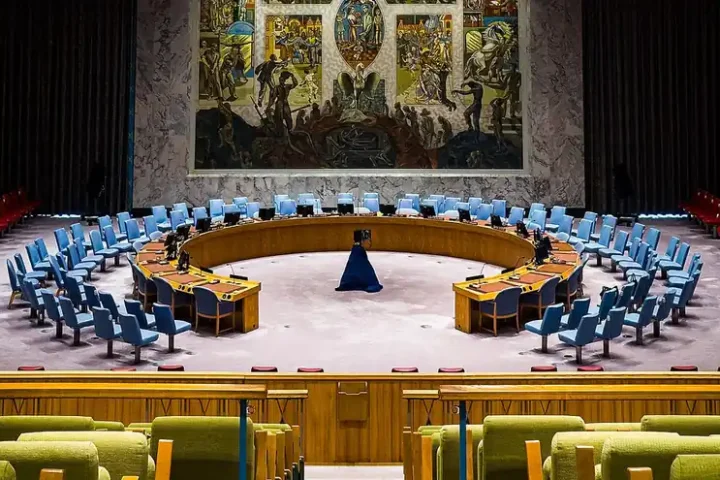
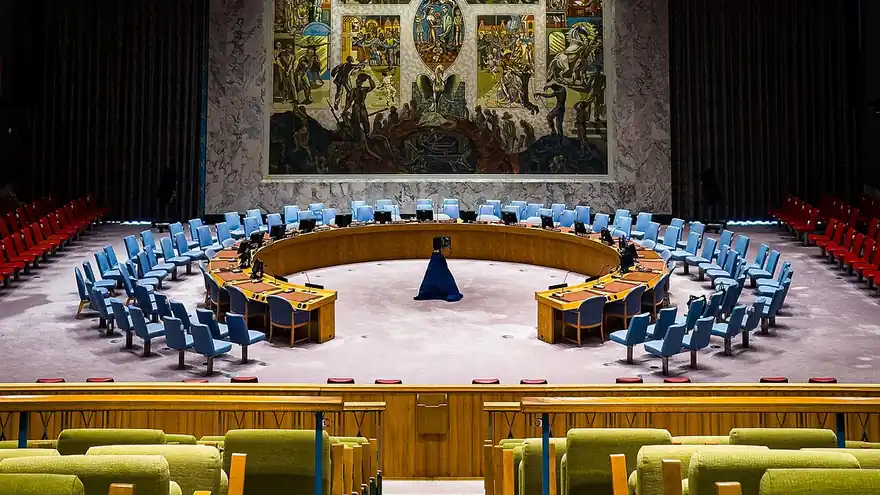
UN envoy Hanna Serwaa Tetteh told the Security Council on 14 October that a political agreement meant to lead Libya to elections is stalled after one of the country’s main institutions rejected it, and urged members to “hold spoilers accountable”. Tetteh, the Special Representative and head of the UN Support Mission in Libya (UNSMIL), briefed the 10242nd meeting of the Council, according to the UN’s official meetings coverage.
An agreement under strain
Tetteh welcomed an agreement signed in Tripoli on 30 August by the parties to the “Smaller Convening”, also known as the 4+4 committee, after four months of deliberation. It sets out a pathway to legislative and presidential elections under a unified executive authority within 24 months. She said, however, that the High Council of State rejected the agreement on 5 October, and that a further briefing would update the Council on efforts to deal with the rejection.
The briefing came ahead of the renewal of the mission’s mandate, which the UN coverage places on 31 October.
Economy, security and rights
The envoy described a worsening economic picture: inflation above 14 percent, a weaker dinar, rising food prices, and strikes and protests throughout September. She said estimated losses of 30 to 50 percent of fuel imports between January and September, worth $2.4 billion to $4.4 billion, were linked to smuggling, and that disruption to oil infrastructure in September cost one million barrels of production. Attacks on infrastructure, she added, could justify measures under relevant Security Council resolutions.
On human rights, Tetteh said 58 people convicted of terrorism-related crimes had been executed in Benghazi over the previous two months. She called for further executions to be suspended and for fair-trial procedures to be reviewed, and voiced alarm at misinformation and hate speech aimed at refugees and migrants.
Positions in the Council
The United Kingdom, the penholder on Libya, urged that “commitments on paper” be turned into action and that settled issues not be reopened. Liberia, also speaking for the Democratic Republic of the Congo and Somalia, noted 2.8 million registered voters recorded by UNSMIL in April and said a timetable “must create urgency, never become permission for further delay”. The United States said those obstructing elections should be held accountable, including through sanctions, while France called for joint military exercises between eastern and western forces and the withdrawal of foreign mercenaries and forces.
Greece, which holds the Council presidency in October, said a stable Libya matters for the wider region and named migration and refugee movements as a major concern, pledging continued work against trafficking and smuggling.
Libya’s representative warned against parallel tracks that lack national consensus, condemned attacks on oil and energy infrastructure (“Oil is not a bargaining chip”) and called for “support, not substitution” of Libyan institutions.
Libya’s political landscape has also shifted at home: Geopolitiki reported earlier this week on a change in the House of Representatives leadership in Bad news for Greece from Libya: Aguila Saleh out as speaker, replaced by the head of the Libyan-Turkish friendship committee.