Middle East & North Africa
OCHA: Yemen’s war is disrupting Bab al-Mandab shipping, with fuel imports down and food prices up
OCHA’s October update on Yemen says the escalation near the Bab al-Mandab and the Red Sea blockade are cutting fuel imports and raising food prices, as displacement passes 200,000.

The fighting in Yemen is now disrupting the country’s main trade lifeline and pushing up fuel and food costs, according to the United Nations Office for the Coordination of Humanitarian Affairs (OCHA). In its Yemen Humanitarian Update for October 2026, published on 22 October, OCHA says the information was gathered during September and, where indicated, up to mid-October. It also warns that conditions on the ground may have changed since then.
The update opens with a section titled “Fleeing again”. OCHA says IOM’s Displacement Tracking Matrix recorded more than 200,000 newly displaced people between 1 August and 6 October, more than ten times the number displaced between January and July. Ta’iz is the worst-affected governorate, accounting for more than half of recorded displacement, followed by Lahj and Aden. Nearly 4,000 people have crossed the Bab al-Mandab to Djibouti and 187 to Somalia. For the wider picture of the displacement, see our earlier report Yemen: UN says more than 250,000 have fled renewed fighting, with 32 civilians confirmed killed in Taiz governorate.
Red Sea and Bab al-Mandab
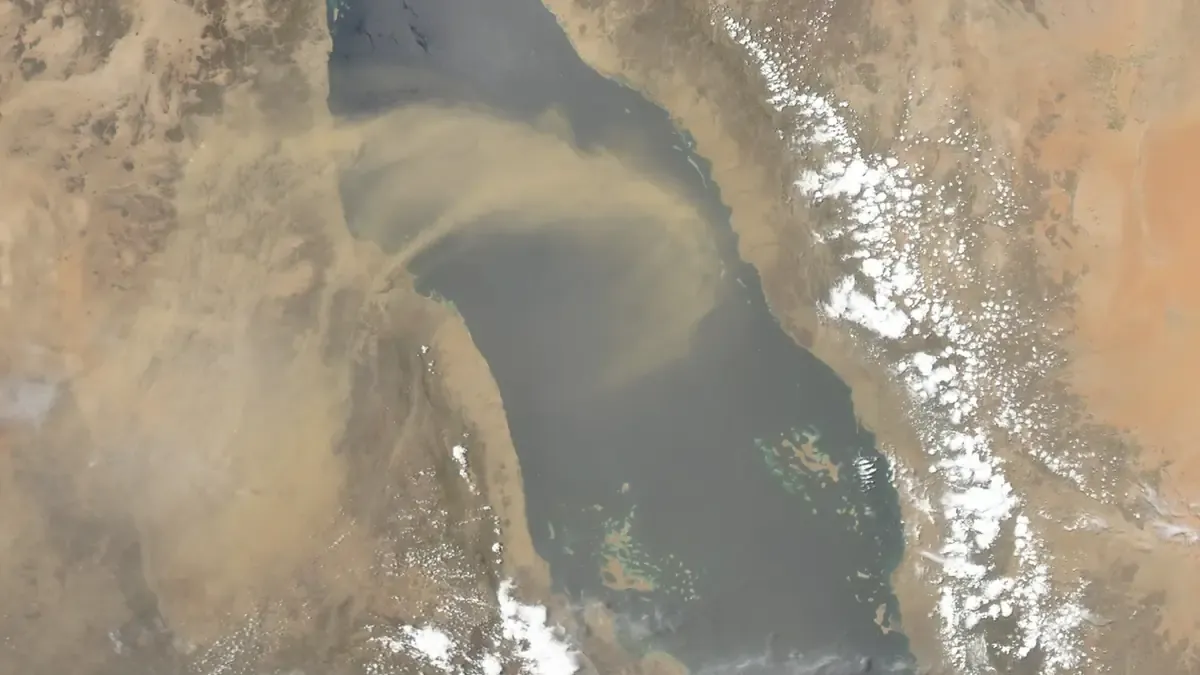
OCHA describes the Red Sea and the Bab al-Mandab Strait as one of Yemen’s most important economic and humanitarian lifelines. It says Yemen imports more than 90 per cent of its food, and that the strait has historically carried around 30 per cent of global container traffic. Since mid-2026, it reports, the security situation around the strait has worsened, and in September hostilities on the west coast moved closer to it.
According to the update, attacks in mid-September temporarily halted oil exports through Saudi Arabia’s East-West pipeline to the Red Sea. OCHA notes that disruptions in the Strait of Hormuz had already led Gulf exporters to reroute oil, with Saudi Arabia redirecting up to around 7 million barrels a day through that pipeline before the September attacks. It also reports that on 20 July the de facto authorities, OCHA’s term for the Houthi-run administration, announced a blockade targeting Saudi-linked shipping in the Red Sea. By early August, it says, total vessel transits had fallen by 24 per cent and tanker traffic by 42 per cent compared with levels before the blockade, citing FEWS NET. The Houthi movement’s own position is not set out in the update. The latest political reaction in Europe is covered in European Parliament urges EU to list the Houthis as a terrorist group and freeze their assets.
Fuel, food prices and aid
OCHA says no fuel tankers entered Red Sea ports in August, and that fuel imports between January and August fell by around 70 per cent through ports controlled by the de facto authorities and by 46 per cent through ports controlled by the Government of Yemen. It attributes the decline largely to the Hormuz disruptions, while saying the insecurity around the Bab al-Mandab has made import problems worse. By mid-September, petrol prices had risen by 11 per cent and diesel by 21 per cent in areas held by the de facto authorities. In areas held by the Government of Yemen, petrol was up around 16 per cent and diesel around 41 per cent on the year.
The update cites the Yemen Economic Tracking Initiative as estimating that about half of all food imports into government-controlled areas, and nearly 40 per cent of those destined for the de facto authorities’ areas, are directly exposed to disruption at the Bab al-Mandab. War-risk insurance premiums, it says, have risen from around 0.3 per cent to more than 1 per cent of a vessel’s value since the blockade was announced.
Aid is also under strain. OCHA reports that the 2026 Humanitarian Needs and Response Plan requires US$2.16 billion and was only 22.5 per cent funded as of 13 October, and that the Emergency Relief Coordinator has released US$9 million from the Central Emergency Response Fund. It adds that 22.3 million people in Yemen need humanitarian assistance and protection in 2026.
Migrants and refugees
A separate section written by the IOM and UNHCR coordination team says the response for migrants and refugees along the west coast is now largely suspended and limited to monitoring. It cites an IOM assessment in which 55 per cent of migrants have no shelter and 83 per cent are not eating enough. The usual crossing from Djibouti has shifted towards a longer route from Bossaso in Somalia to the coast of Abyan and Shabwah, which the update says exposes people to higher smuggling fees, extortion and the risk of death at sea.
All figures above are those given by OCHA and the agencies it cites; Geopolitiki has not verified them independently, and the update itself notes that it reflects reporting periods that may differ from the latest situation.