Politics & Diplomacy
Rubio in Mumbai: U.S. aid and intelligence for Ukraine unchanged, interceptors are scarce worldwide
After a 45-minute call with Volodymyr Zelensky, the U.S. Secretary of State said support and intelligence sharing for Ukraine have not changed, and that every country wants interceptors.

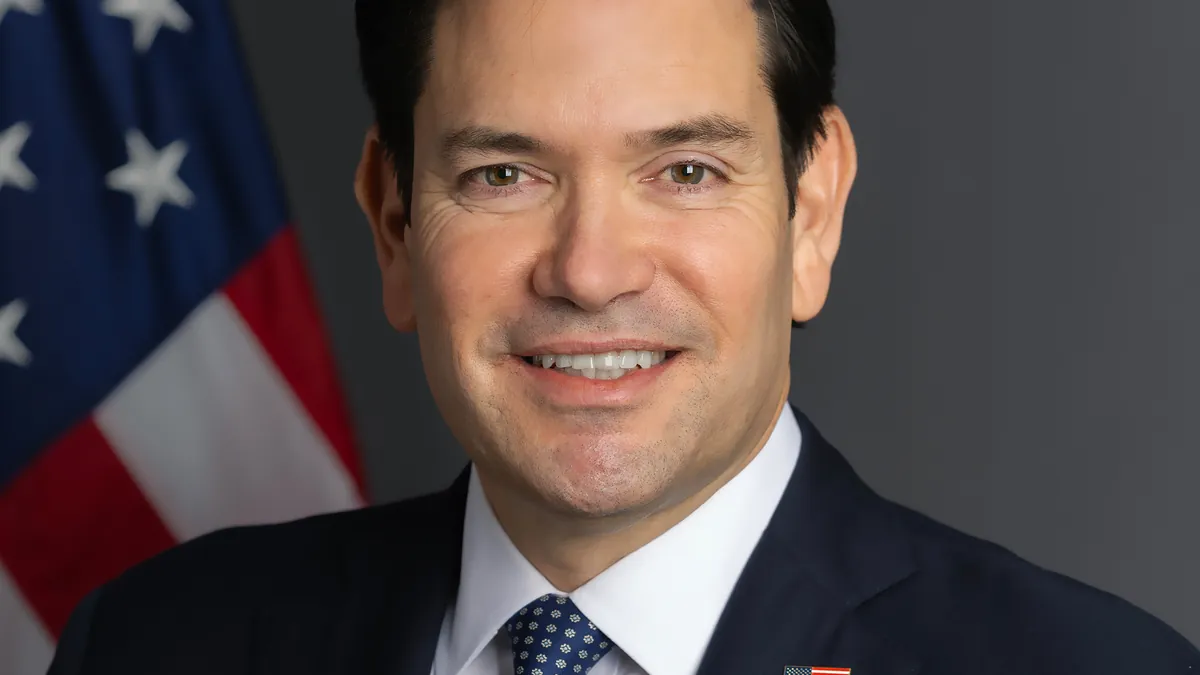
U.S. Secretary of State Marco Rubio said on 20 October in Mumbai that American military support and intelligence sharing for Ukraine have not changed, after a 45-minute call with President Volodymyr Zelensky earlier the same day. He was speaking to reporters during a visit to India, according to the State Department transcript.
“I’m seeing a lot of things in the media that are not accurate,” Rubio said, adding that everything the Department of War has been doing with Ukraine “remains the same”. Asked about PURL, the mechanism under which equipment available for sale to European countries is passed on to Kyiv, he replied: “Nothing has changed.” On intelligence, he said President Donald Trump had “made it very clear he’s ordered no such changes”.
Interceptors in short supply
Rubio acknowledged that Zelensky has been trying to buy air-defence interceptors, but said Kyiv is far from alone. Saudi Arabia, Israel and the United States itself would also like more, he said, calling interceptors “probably the most in-demand product right now in the defense field”. When a country does not receive them, he argued, “it’s not that we’ve denied it”: Washington has its own needs and minimum standards for protecting its bases, including those in Europe and the Middle East.
A reporter asked about a batch of interceptors bought by European partners through PURL and said to be awaiting Secretary of War Pete Hegseth’s signature. Rubio did not deny it. “It could be the case,” he said, explaining that such transfers are reviewed against needs elsewhere, including the U.S. and allied presence in Europe. He added that American production of interceptors is rising rapidly.
Undetected strikes on 13 and 18 October
Rubio rejected claims, attributed by him to someone associated with the Ukrainian government, that strikes on 13 and 18 October went undetected because the United States withheld information. He called that “scandalous” and “not true”. By his account, the American understanding is that those episodes were “a technical matter”, possibly linked to how Ukraine processes the warnings it receives, and the United States is “providing the same warnings to them now that we always have”. He said the question is still being examined.
Washington’s frustration and the Black Sea
Asked what lies behind the tension, Rubio said the president is frustrated by the lack of progress in negotiations and dislikes being blamed for things that are not true. He repeated that the war must end through a negotiated deal. He also said Washington has complained for months about Ukrainian strikes on shipping in the Black Sea, citing calls from American companies whose cargo had been hit, and called these an “irritant”.
Rubio tied pressure on energy markets to several theatres at once: the Strait of Hormuz, where he said most nights at least 70 or 80 percent of pre-conflict oil volumes gets through; Houthi attacks on pipelines in Saudi Arabia; and strikes on refineries in the Russia-Ukraine war.
Context and what comes next
The remarks follow his earlier statement from Uzbekistan, reported in Rubio from Samarkand: “There was no pause” in intelligence for Ukraine – “Zelensky must focus on ending the war”. Rubio said in Mumbai that the U.S. wants both sides to reach an agreement. All positions described above are those stated by the U.S. side in the transcript; Kyiv is not quoted in it.
Source: U.S. State Department, Secretary of State Marco Rubio Remarks to the Press, 20 October 2026.