Africa
Sudan famine warning: UK and 31 partners demand open aid routes as 19.5 million face acute hunger
The UK and 31 other partners, including the Republic of Cyprus, warn that famine looms in Sudan, where 19.5 million people face acute food insecurity, and demand unimpeded aid access.

The United Kingdom and 31 other partners warned on 23 October that Sudan faces a growing risk of famine, and called on the warring parties to open every aid route into the country. The joint ministerial statement, published by the UK Foreign, Commonwealth and Development Office, says the situation needs “urgent action” and that “there is no time to lose to save lives and prevent famine.”
The signatories include ministers from Australia, Canada, France, Germany, Italy, Poland, Spain, Sweden, Switzerland, the United States and the United Kingdom, along with European Commissioner Hadja Lahbib, who is responsible for equality, preparedness and crisis management. The Republic of Cyprus appears in the list of signatories, as does Hungary, though both are named without a minister.
What the partners say about the scale
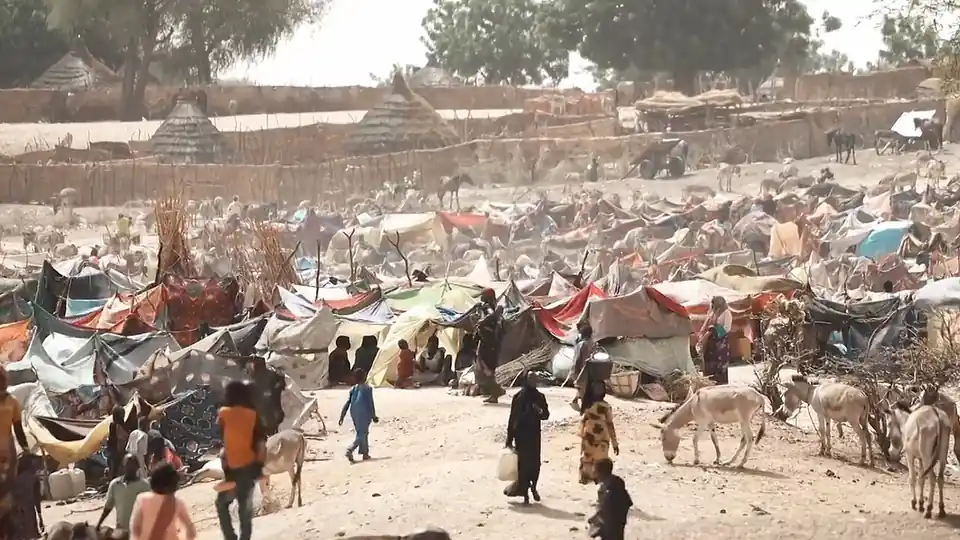
According to the text, an estimated 19.5 million people, or 41 percent of Sudan’s population, face high levels of acute food insecurity, including 5 million at emergency levels. The partners warn that the number of children with severe acute malnutrition could exceed the projected 825,000 unless the trajectory is reversed, and that the number of food-insecure areas, first assessed at 14, is expected to double.
The ministers name conflict as the key driver of hunger. They say the fighting has displaced millions of people, damaged critical infrastructure and disrupted healthcare, food production, supply chains and markets. They add that “systematic obstruction of aid” and the effects of El Niño, which they say has brought reduced rainfall and increased drought across more than half of Sudan, are making matters worse.
The statement builds on the warning of the Integrated Food Security Phase Classification. Geopolitiki reported on that alert earlier this month in IPC warns of growing famine risk in Darfur and Kordofan as war and drought converge in Sudan.
Four specific demands
The signatories say the parties to the conflict “bear primary responsibility” for easing the suffering of civilians. They list four practical steps:
- Authorise humanitarian operations through all crossline and cross-border routes, including air access into Darfur, which they say would allow rapid deployment of aid and timely medical evacuation of aid workers.
- Sustain the presence and protection of humanitarian personnel, including shorter delays for visas and customs clearance, longer visas and travel permits, and the removal of extra permits, taxes and bureaucratic requirements.
- Refrain from strikes on civilian infrastructure, including agriculture and food systems.
- Strengthen civil-military coordination to keep humanitarians and humanitarian sites safe.
Appeal for funding and the winter cropping season
The statement also asks the wider international community to “urgently scale up funding” to match the increased needs. Development and financial institutions are encouraged to adapt their existing programmes to the food security situation and to focus on the areas of greatest need. The partners say the aim should be to support the winter cropping season and strengthen locally led responses.
They close by pledging to stand with the people of Sudan and with the humanitarian organisations working under what they call extremely challenging conditions.
The text is a political appeal for access and money. It does not announce new funding pledges or single out individual parties for particular obstructions.