Africa
Flintlock 2027: Libya again at the centre of AFRICOM’s special operations exercise, with Nigeria as a second host for the first time
US Africa Command says Libya will host the main operating area of Flintlock 2027, its largest special operations exercise, while Nigeria will host a second area for the first time.

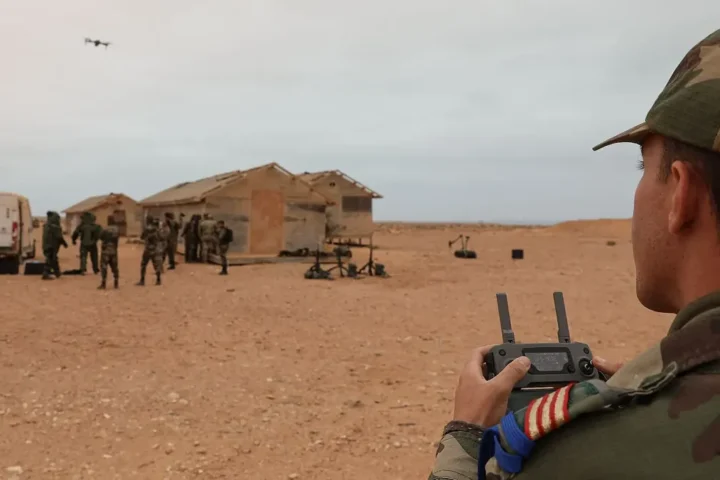
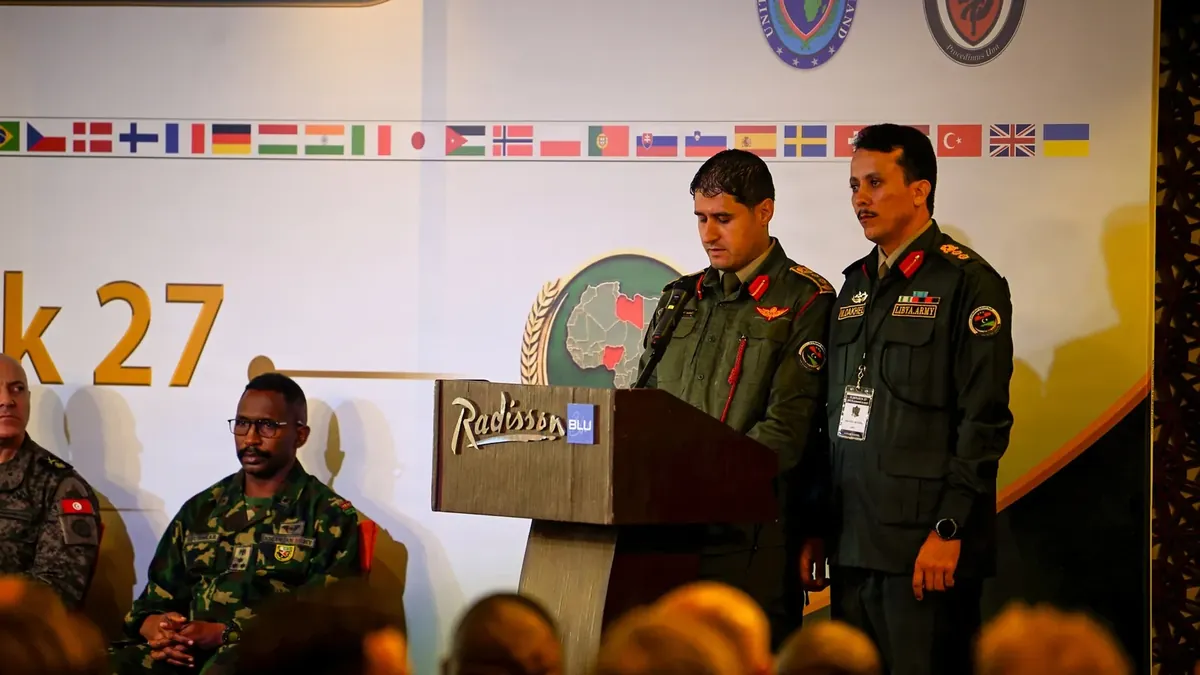
Libya will host the main operating area of Flintlock 2027, the largest special operations exercise of US Africa Command (AFRICOM), while Nigeria will host a second operating area for the first time. AFRICOM announced it on Friday, November 20, at the end of the Mid Planning Event in Tunis. Planners from more than 35 countries gathered there from November 16 to 20. They discussed training scenarios, medical plans, supply needs and military planning frameworks, with African countries setting the requirements themselves.
For Libya the choice carries particular weight. Flintlock 2026 was held in Côte d’Ivoire and Libya, and in Sirte joint Libyan forces trained together for the first time. In Tunis the planners were addressed by Engineer Cols. Amjad Alkhanis and Mohamed Dakhil, members of Libya’s 3+3 Joint Military Commission. “Our joint efforts led to a historic achievement: bringing the Libyan brothers closer and creating the first joint Libyan military force since 2011,” they said, calling it a major national success and a “message of hope” for the unification of Libya’s armed forces.
AFRICOM, Haftar and the Turkish-Libyan memorandum
The announcement follows a visit to Libya by AFRICOM commander Gen. Dagvin Anderson, a year after his first. Anderson met Prime Minister Abdulhamid Dbeibah in Tripoli and Gen. Saddam Haftar in Sirte, discussing army unification and regional security cooperation. AFRICOM explicitly linked the meetings to preparations for Flintlock 2027. In October Saddam Haftar welcomed the approval by the eastern Libya-based House of Representatives of the Turkish-Libyan memorandum, which Greece considers legally void and without effect on third states, and shortly afterwards the UN Security Council renewed the UNSMIL mandate for 12 months. AFRICOM says it supports Libyan-led army unification and regional security.
Nigeria has taken part in Flintlock for almost two decades. “We are happy to take part and also to co-host this exercise,” said Brig. Gen. Umar Abubakar, commandant of the Nigerian Army’s Special Forces School. He said the exercise offers an opportunity to identify gaps in procedures and exchange information, with the aim of defeating extremist ideologies and criminal activity.
“No nation represented here can carry the burden of security in Africa alone. Neither can the United States,” said US Air Force Brig. Gen. Claude Tudor, commander of Special Operations Command Africa (SOCAFRICA). He added that together partners have an asymmetric advantage thanks to trust, shared values and interoperability. US Ambassador to Tunisia Bill Bazzi praised the role of the host country, which has centres of excellence for countering improvised explosive devices and for special operations.