Middle East & North Africa
Trump receives Qatar’s prime minister on Iran – what Doha is asking and why Rubio speaks of “outrageous” demands – sources
Trump meets Qatar’s prime minister at the White House on November 9. Doha reportedly proposes a two-phase plan; Rubio says Iranian demands have been “outrageous, ridiculous and not at all realistic.”

The mediation on the war with Iran moves to the White House on Monday, November 9. Donald Trump has on his official schedule a meeting at the White House with Qatar’s prime minister and foreign minister, Sheikh Mohammed bin Abdulrahman Al Thani, the man who in recent weeks has been carrying messages between Washington and Tehran.
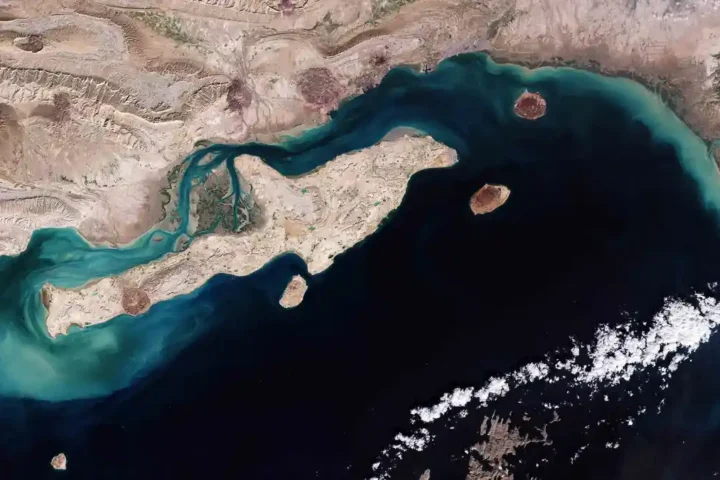
Sources who spoke to Axios say the Qatari prime minister will ask the American president to give diplomacy more time and that before the meeting with Mr Trump he will see Vice President JD Vance separately. Doha’s proposal, as they describe it, has two phases. On the first day the US would lift the naval blockade of Iranian ports and release part of the frozen Iranian funds. On the second it would open the Strait of Hormuz and then begin nuclear talks centred on the stockpile of highly enriched uranium.
Qatar is circulating a framework text on which both sides make corrections. The process has run for weeks but accelerated after the midterm elections of Tuesday, November 3, in which Republicans lost control of Congress. Mr Vance attributed the defeat partly to the war, and Mr Trump admitted on “60 Minutes” that voters “did not like the war,” insisting nonetheless that he would take the same decision again. Already in early November Tehran had sent a nuclear proposal via Qatar with seven conditions.
Rubio sees no imminent deal
On the eve of the meeting, on Sunday, November 8, Secretary of State Marco Rubio tempered expectations. Speaking to reporters in Florida before leaving for the G7 foreign ministers’ meeting in Paris, he said, “I wouldn’t say we are on the threshold of a major development.” He added that contacts “have so far not been very productive, because Iranian demands are not just unacceptable but in some cases outrageous, ridiculous and not at all realistic.” His remarks appear in the State Department’s official transcript.
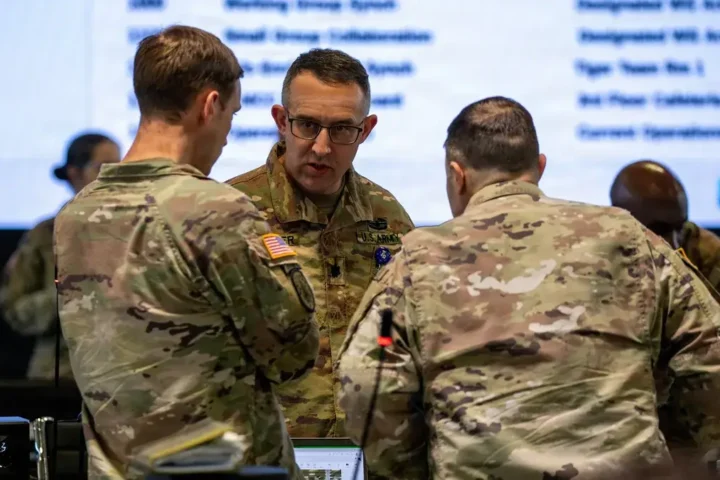
Mr Rubio defended the decision to go to war, saying the president faced a “completely real threat” and that what is right for the country is often “not necessarily popular, but is necessary.” On ships and US forces in the region, he noted that the US will act defensively against any direct threat, because “we have a right to defend ourselves.”
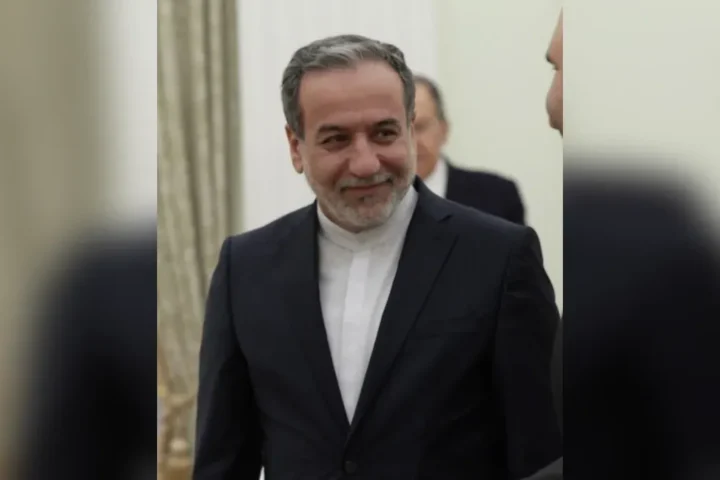
Tehran asks for an end to the blockade, lifting of sanctions, release of its funds, compensation for war damage and an end to hostilities across the region, including Israeli operations in Lebanon. Washington wants the enriched uranium diluted or transferred to a third country. Abbas Araghchi sent his own message: “American voters made their choice. It is time for the White House to make its own.”
Meanwhile, Mr Trump has said that new strikes are “extremely unlikely” if Iran moves to a deal, while keeping the military option open.