Cyprus
Bayraktar: Turkey’s pipeline to the occupied north “could power the whole of Cyprus” – he blames Athens and Nicosia for blocking a cable
Turkish Energy Minister Alparslan Bayraktar said a planned gas pipeline to the occupied part of Cyprus could someday supply power to the whole island and accused Athens and Nicosia of blocking a Turkish cable plan in Brussels.

With the Greece–Cyprus electricity cable waiting for its new NAVTEX, Ankara returns with its own proposal for the island’s energy. Turkish Minister of Energy and Natural Resources Alparslan Bayraktar said that the natural gas pipeline Turkey is planning to the occupied part of Cyprus could at some point supply electricity to the whole of Cyprus. At the same time, he accused Athens and Nicosia of blocking in Brussels an earlier Turkish plan for a submarine cable. These are the Turkish minister’s claims.
Mr Bayraktar spoke on Thursday, November 5 to representatives of international media, at the offices of the Turkish energy market operator in the Istanbul Financial Centre. His remarks on Greece and Cyprus are reported in detail by Daily Sabah.
“Why not?” on cooperation with Greece
Asked why Turkey does not cooperate with Greece on energy, the Turkish minister replied that he would like to: “I would certainly consider cooperation with Greece. I would very much like us to work together and cooperate with Greece. Why not? We are talking about a broader alliance and broader cooperation.” The obstacle, according to him, is the Cyprus problem.
Mr Bayraktar claimed that Ankara had planned a submarine cable to carry electricity to the island exclusively from Turkish renewable sources, solar, wind or geothermal, so that oil-burning plants could be closed. “Because the northern and southern parts of the island are interconnected, we could give this power to the southern part as well,” he said, meaning the Republic of Cyprus, which Turkey does not recognise.
According to the Turkish minister, Athens and Nicosia raised the matter in Brussels and, after their objections, the European Network of Transmission System Operators for Electricity (ENTSO-E) did not approve the connection. “Of course they did not accept it. Why? For political reasons. And now we have decided to build a natural gas pipeline from Turkey to the island,” he said.
A 101-kilometre pipeline to the occupied territories
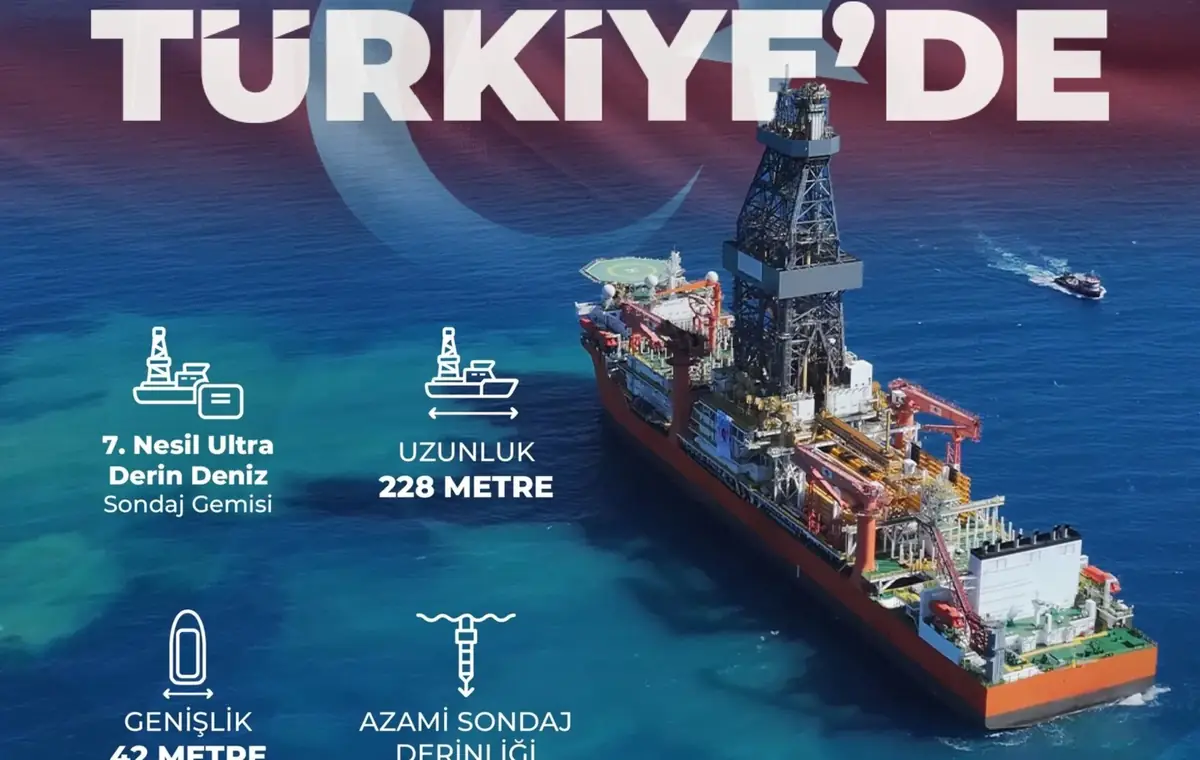
The pipeline Turkey announced this year will be 101 kilometres long, mostly submarine, and will supply natural gas to the pseudo-state in the occupied north, where a gas-fired power plant will operate. The plan, as Mr Bayraktar described it, provides that Turkish Cypriots could later sell part of that electricity to the Republic of Cyprus, if the two sides reach an agreement, after first being able to produce their own power. See our earlier report on the Oruç Reis off Kyrenia and the pipeline to the occupied north.
The Turkish minister added that the pipeline could also operate in reverse flow. “If we or someone else find natural gas in the Eastern Mediterranean, they could use this pipeline in reverse flow and carry the gas to the island and from there to Turkey and the European market,” he said.
The Oruç Reis heads for Pakistan
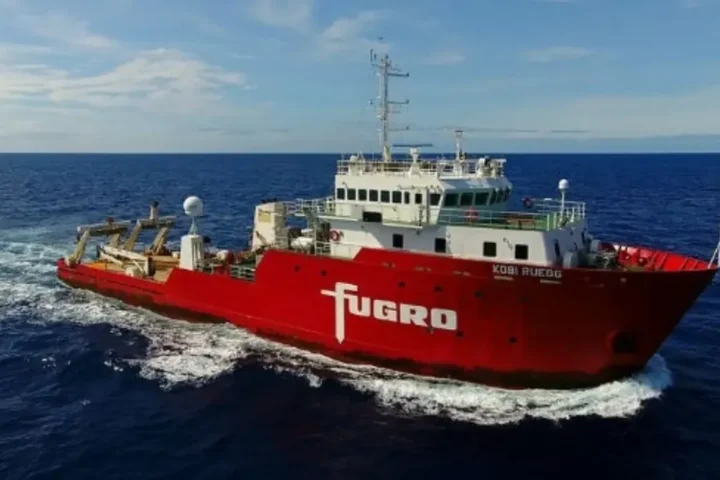
At the same meeting Mr Bayraktar revealed that the seismic survey vessel Oruç Reis is sailing off Pakistan, where the Turkish state oil company TPAO is active. TPAO is already drilling off Somalia. On the Turkish–Libyan memorandum, he said it gives both countries additional areas for exploration, but that decisions on new fields are made on economic and geological criteria. He added that Turkey may soon become active in offshore fields of Syria, Iraq or Lebanon. The memorandum he refers to is illegal and has no legal effect on Greece and Cyprus.
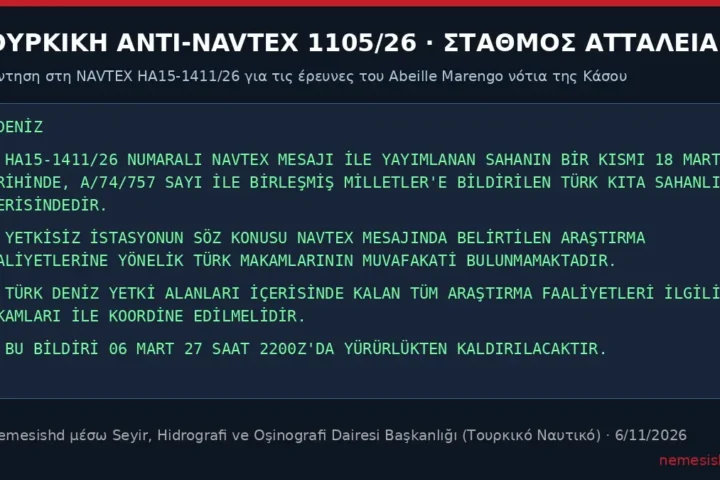
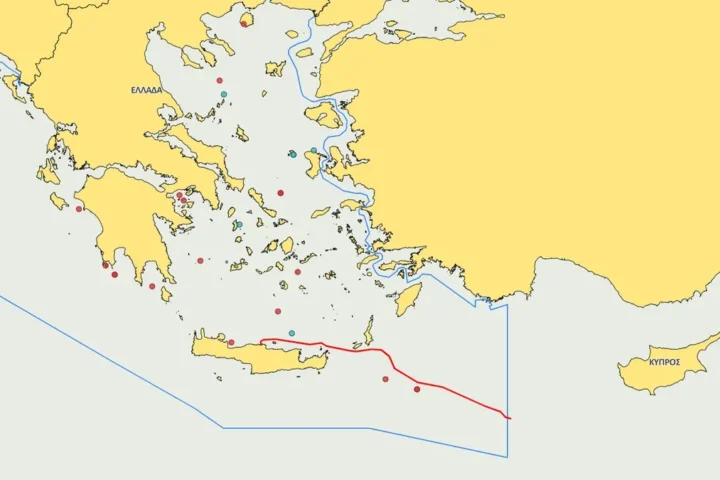
The statements come as Athens completes the procedure for the NAVTEX that will allow the Abeille Marengo to resume surveys for the GSI cable south of Kasos; see our report on the interministerial committee’s procedure. Foreign Minister George Gerapetritis has told Parliament that there will be an operational response if Turkey obstructs the laying.