Economy & Energy
IEA to speed up the release of the remaining 100 million barrels of emergency stocks, with priority for diesel
The International Energy Agency’s Governing Board agreed to accelerate the release of about 100 million barrels still to be drawn from emergency stocks, including more than 20 million barrels of diesel as soon as possible. US officials said the plans do not go far enough.

Member states of the International Energy Agency (IEA) agreed to speed up the release of the roughly 100 million barrels that remain to be drawn from emergency stocks, “including more than 20 million barrels of diesel as soon as possible”. The decision was taken at a meeting of the agency’s Governing Board in Paris on Thursday, October 15, according to its statement on energy markets and security.
The latest assessments, the statement says, show persistent tightness in oil markets, “particularly in diesel”. About 330 million barrels have been released so far under the collective action that began in March 2026 because of the crisis in the Strait of Hormuz. Total releases will exceed the original commitment of 400 million barrels, as some members gave more than they had pledged and others intend to do so.
Members will “take all necessary measures to complete the remaining releases in a timely manner, in line with national circumstances, with specific acceleration plans already in place”, according to Anadolu. The statement names no countries and gives no timetable.
A call for more production
The Governing Board called on members with oil production and refineries to “increase the supply of crude and refined products, particularly diesel” and stressed the need for free flows of energy trade. Members say they are ready to take further action, on the basis of the G7 statement of October 2. The IEA Secretariat will monitor progress and brief G7 leaders, with a new market assessment focused on diesel.
A day earlier, the agency’s monthly report had warned of a diesel shortage through 2027, as covered in our report on the IMF and IEA warnings. Governments’ emergency stocks across IEA members still amount to about 1.1 billion barrels, of which more than 200 million are diesel. “The IEA is ready to release more of these stocks to the market if and when needed,” Executive Director Fatih Birol said on October 7.
The US asks for more
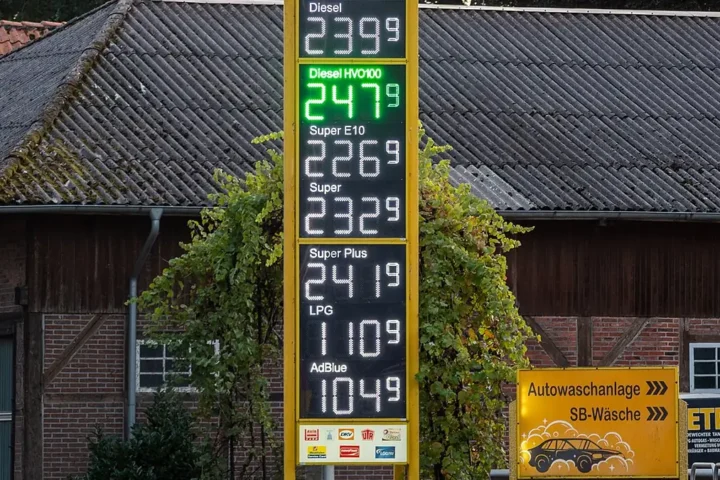
US officials told the Paris meeting that the current plans “do not go far enough” and are informally pressing for an additional commitment of at least 100 million barrels, according to World Oil, as pump prices for diesel reach record levels. Analysts note that the 100 million barrels are an acceleration of quantities already pledged, not a new intervention.
The blockade of Iranian ports and attacks on shipping are keeping flows from the Gulf restricted. Iran’s oil minister has resigned amid falling exports, as covered in our report on the resignation.