Middle East & North Africa
UAE: “Better prepared than on February 28”, and “the war with Iran can restart”, says a senior lawmaker
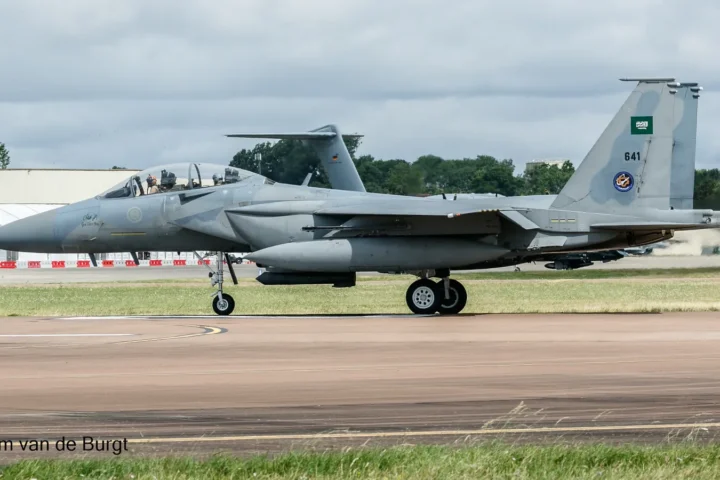
Ali Rashid Al Nuaimi, who chairs the defence, interior and foreign affairs committee of the UAE’s Federal National Council, said the country is better prepared than on February 28 and that the war with Iran could restart. He said hundreds of members of Iranian sleeper cells have been arrested.

The United Arab Emirates is “better prepared than it was on February 28”, the day the US and Israel launched strikes on Iran, Ali Rashid Al Nuaimi, chairman of the Defence, Interior and Foreign Affairs Committee of the Federal National Council, the country’s parliament, said on Thursday, October 15. “The war can restart, yes,” he told The National at a meeting with foreign correspondents organised by the National Media Authority. “Whatever it takes to protect the country and the people, we will do it.”
Preparedness, according to Al Nuaimi, covers “all aspects”. Asked by Khaleej Times whether the UAE would respond to a new Iranian attack, he answered in one phrase: “In everything.” He said he does not expect the war to last for years, like the Russo-Ukrainian one, and estimated that it could end before the end of 2026. He did not rule out a new full-scale war, however, saying much will depend on the actions of the Iranian leadership.
For his part, Donald Trump has said the US will not attack Iran before the midterm elections. The meeting was also recorded by the state news agency WAM, without the references to the war.
“Hundreds” of members of Iranian cells
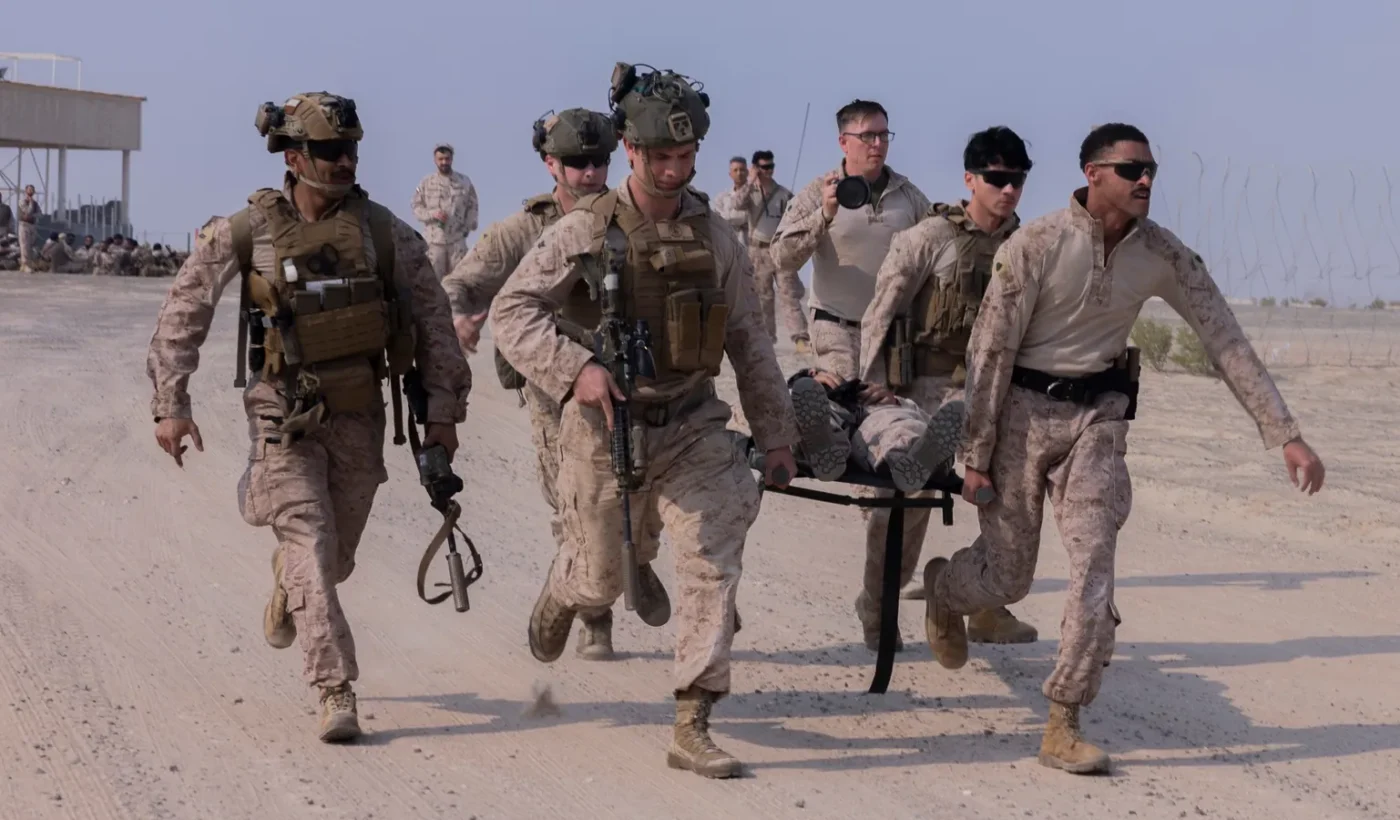
Al Nuaimi said “hundreds” of members of Iranian “sleeper” cells have been arrested, among them Emiratis, who were “caught directing” Iranian missile and drone attacks on targets in the UAE. “They wanted to undermine and destroy this model,” he said.
Dialogue with Iran remains a priority, and the UAE would answer any Iranian confidence-building step with steps of its own. “But we do not trust them,” he stressed.
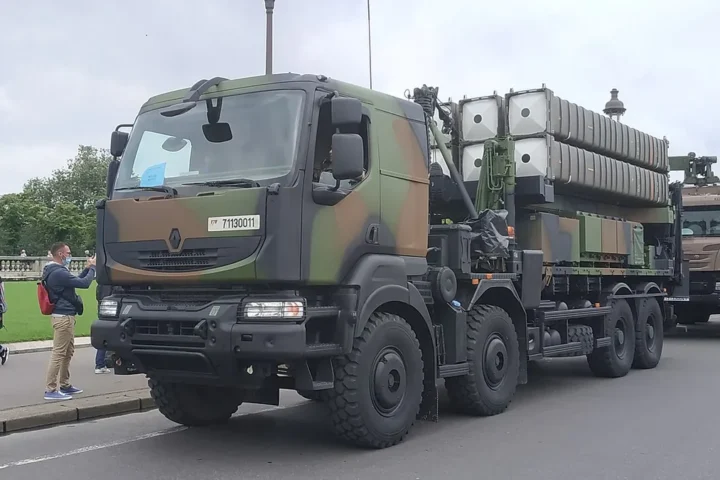
The UAE was the country that took the most attacks in the war, with more than 550 ballistic missiles and 2,265 drones, most of which were intercepted, according to The National. No overall official toll from the defence ministry for the whole war has been published recently. The June ceasefire collapsed in July after new Iranian attacks on ships in the Strait of Hormuz, such as the one on the LPG tanker NV Sunshine, and US retaliation. Our report on that attack: Iran’s Revolutionary Guards say they hit LPG tanker NV Sunshine.
ADNOC: “We kept the lights on”
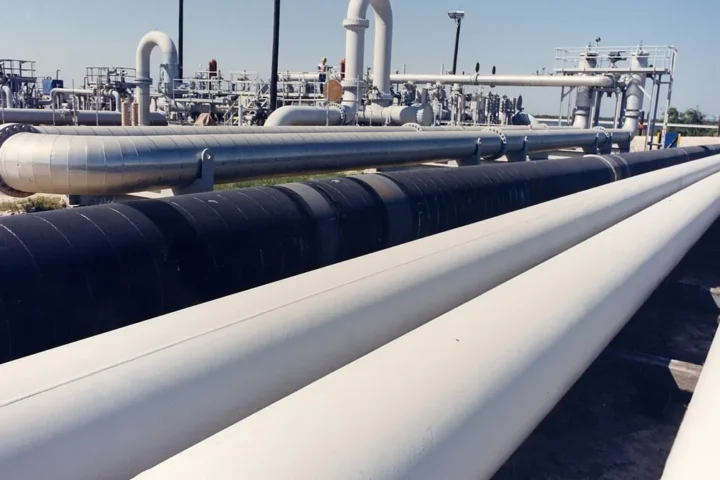
The same day, Abdulmunim Al Kindy, a member of the ADNOC board, said that a contingency plan drawn up 10 to 15 years ago kept oil production running throughout the war, The National reported. “We had prepared for this scenario in our manuals 10 years ago, 15 years ago,” he said. “We built projects at great cost, even though at that time they made no commercial sense. When the time came, we kept the lights on.”
ADNOC’s production capacity stands at 4.85 million barrels per day, with a target of 5 million by 2027.