Economy & Energy
Putin on Ukrainian strikes on refineries: “Our retaliation is inevitable”
The Russian president told a Kremlin energy meeting that Moscow will respond to the attacks and ordered extra protection for refineries and their staff.

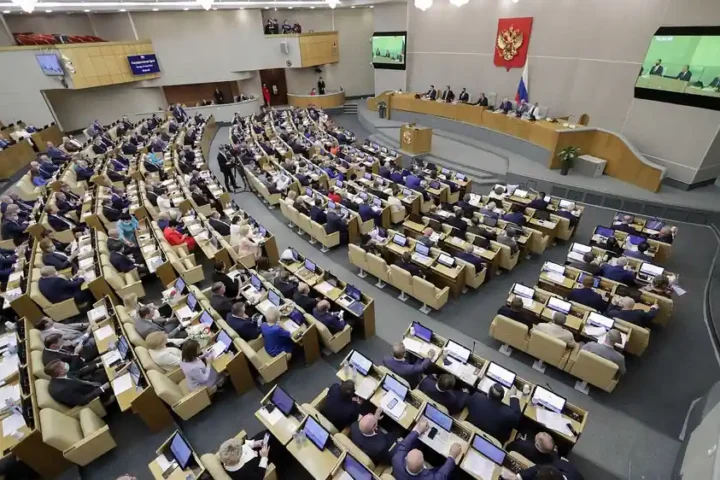
Russian President Vladimir Putin warned on Tuesday, November 24 that Moscow will respond to Ukrainian attacks on Russian refineries. “Retaliation from our side is inevitable. Everyone must know this,” he said in his opening remarks, published on the Kremlin website. The statement came at a meeting of the presidential commission on energy sector development strategy and environmental security, which he convened in the Kremlin that evening.
Putin accused Kyiv of continuing strikes on Russian energy facilities despite a direct request by the US president that they stop. He argued that the escalation launched by the Ukrainian side in early June, which he said had been planned for 40 days, cannot cause critical damage to Russia.
At the same meeting the Russian president called for additional protection measures for the refineries and their personnel. Referring to the European Union, which is cutting its imports of Russian energy, he said Europeans “will have less of our oil and gas and more problems”.
The warning follows a series of Ukrainian drone attacks deep inside Russian territory. On November 23, fires were reported at two refineries in Perm and Rostov, and on November 19 Putin said Russia would respond to the strikes on the Crimean bridge. Kyiv says the refinery attacks target fuel revenue, which funds Moscow’s war effort, and supplies to the Russian army.
Putin threatened retaliation even though, as he said, the US president had asked Kyiv to stop hitting the refineries. In previous winters Russia launched massive missile and drone attacks on Ukraine’s energy grid, especially in the winter months when demand for heating and electricity is highest.
Ukrainian drones now reach targets up to 2,500 kilometers from Ukraine, such as Omsk in Siberia, where a fire was reported on November 12 after a long attack. At the same meeting Putin said that exports of gasoline, jet fuel and diesel have been restricted, except for part of the diesel that, he said, was agreed with the US president, and that gasoline prices have stabilized after peaking in early October.