Europe
Turkish-Libyan memorandum in the European Parliament: Commission says it is “null and void”, voices solidarity with Greece and Cyprus
In a plenary debate in Strasbourg, Commissioner Dubravka Šuica said the illegal memorandum cannot produce legal effects for third states. Parliament votes on a resolution on Thursday.

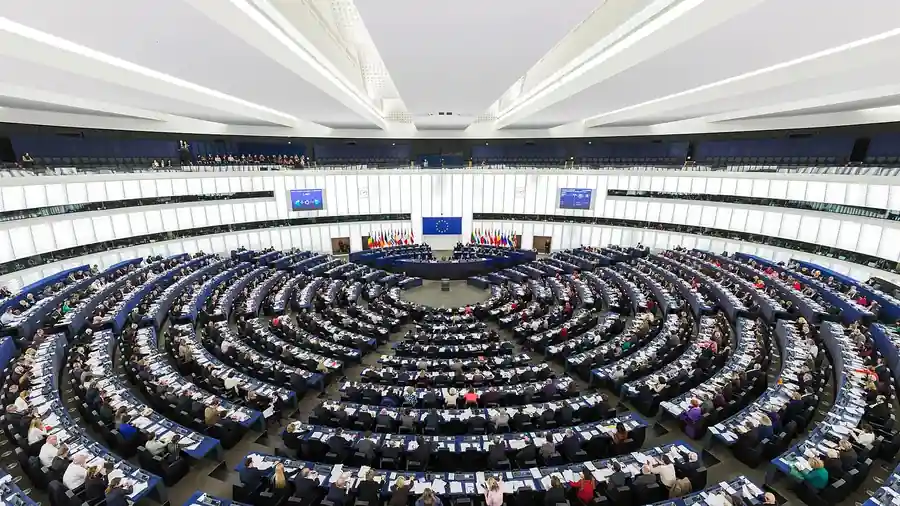
The illegal Turkish-Libyan memorandum on the delimitation of maritime zones was debated on Tuesday, November 24 in the plenary of the European Parliament in Strasbourg, in a special debate with statements by the Council and the European Commission on the “illegal Turkey-Libya memorandum of understanding and the violation of the UN Convention on the Law of the Sea (UNCLOS)”. For the Commission, Commissioner for the Mediterranean Dubravka Šuica said the memorandum “is null and void and cannot produce legal effects for third states”. The vote on the related resolution will take place on Thursday, November 26.
Šuica repeated that the European Commission expresses “the Union’s full solidarity with Greece and Cyprus” and stressed that “unilateral actions that ignore the rights of others are not acceptable”. Earlier, speaking for the Council Presidency, Irish minister Charlie McConalogue said the memorandum violates the sovereign rights of third states, is not consistent with the law of the sea and cannot have any legal effect on third states. He added that the Council has repeatedly stressed its full solidarity with Greece and Cyprus.
The debate came a month after the memorandum was ratified by the House of Representatives of eastern Libya on October 20. That same evening European Council President António Costa and Commission President Ursula von der Leyen expressed regret over the ratification in a joint statement, and the next day the High Representative, in a statement on behalf of the EU, called the memorandum “null” and without legal effect for third states. The Commission used the same wording in Parliament.
The memorandum was signed in 2019 between Ankara and the Tripoli government and draws maritime boundaries that ignore Crete, challenging Greece’s sovereign rights in the eastern Mediterranean. With its ratification by the eastern Libyan parliament, the text gained for the first time the backing of both rival sides in Libya.
The Strasbourg debate coincided with Khalifa Haftar’s first visit to Ankara, where the Libyan field marshal arrived the same day at the invitation of Recep Tayyip Erdoğan. Thursday’s resolution is not legally binding on the Union, but it records the European Parliament’s position at a time when Ankara is developing contacts with both sides of Libya.