Middle East & North Africa
Iran says it will use “all available means” against the US naval blockade
Foreign ministry spokesman Esmaeil Baghaei called the blockade and sanctions an act of military aggression and invoked Article 51 of the UN Charter, while Trump said he could order new strikes after the New Year if there is no deal.

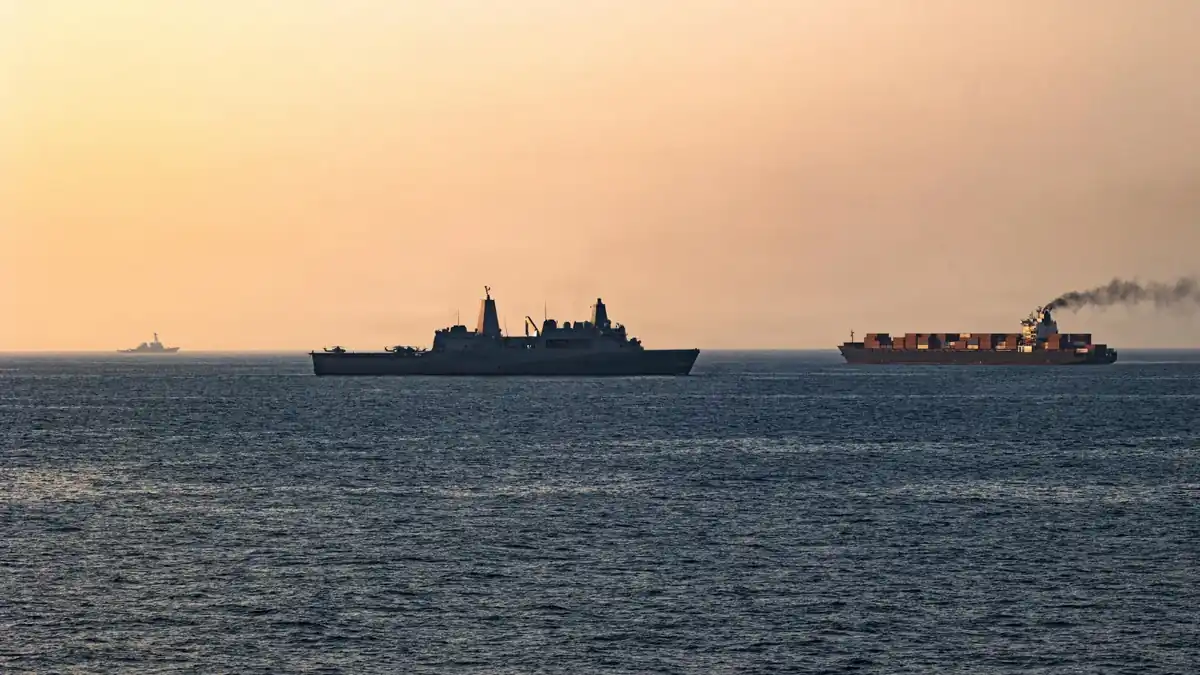
Iran will use “all available means” against the US naval blockade, Iranian Foreign Ministry spokesman Esmaeil Baghaei said on Monday, November 23. Speaking at the weekly briefing for reporters in Tehran, he described the blockade and US sanctions as an act of military attack. “We will certainly not tolerate these actions and we will use all available means to confront American aggression,” he said. The Iranian agency WANA attributes to the spokesman a reference to a combination of political, economic and military measures to break the blockade.
Baghaei invoked the right of self-defence under the UN Charter. “What the Americans describe as economic sanctions, economic blockade and naval blockade is undoubtedly an act of military attack against Iran,” he said, adding that “under Article 51 of the UN Charter, Iran is entitled to use every means at its disposal to defend itself”. Tehran is considering measures against the blockade and sanctions, to be applied on the basis of the leadership’s decisions, without giving details. The blockade of Iranian oil exports was imposed on April 13, lifted in June after a draft understanding between Washington and Tehran, and reimposed on July 14, when the agreement collapsed.
Visible Iranian crude exports have fallen to almost zero in recent months. TankerTrackers.com reported last week that a tanker was loading Iranian crude via ship-to-ship transfer in the Gulf. Baghaei called reports of Iranian ships loading oil “speculation”. Iranian officials also denied that Tehran is preparing a convoy of more than a dozen tankers, following reports of a tanker convoy at Kharg that would test the US blockade.
Hormuz and the US threats
On the Strait of Hormuz, Tehran insists that it controls transit and will open it only if Washington accepts its terms: an end to hostilities and the lifting of the blockade and sanctions. “If the American side fulfils its commitments, security can be restored in the Strait of Hormuz and the region as soon as possible,” the spokesman said. Foreign Minister Abbas Araghchi had said the Strait could open very quickly. Any agreement, according to Baghaei, must include the end of the war on all fronts.
The spokesman also responded to Washington’s threats. On reports of a US strike on Iranian dams, he said the US “will not dare” such an attack and called them psychological warfare. To Donald Trump’s claim about the downing of Iranian missiles, he replied ironically: “Maybe the problem is with our missiles.” Asked about a Pentagon assessment of a possible Iranian response to a new attack, he said the best scenario for Washington is “to leave here”.
The statements came a day after Trump, in remarks to Fox News on Sunday, November 22, appeared willing to order new strikes on Iran after the New Year if there is no deal. Asked whether Iranian ships would try to break the blockade, he answered: “I hope they do, they’ll all be at the bottom of the sea like the rest of their navy.” US media reported last week that Trump is weighing new strikes on Iran.