Economy & Energy
US and China identify $60 billion in goods for possible tariff relief after Trump–Xi summit
Washington and Beijing have identified $60 billion in goods for potential tariff relief after the Trump–Xi summit, but no new tariff cuts have taken effect.

The United States and China have identified a combined $60 billion in goods that could receive more favorable tariff treatment, following talks between Presidents Donald Trump and Xi Jinping. The proposal is a recommendation for further negotiation, rather than a tariff reduction already in force.
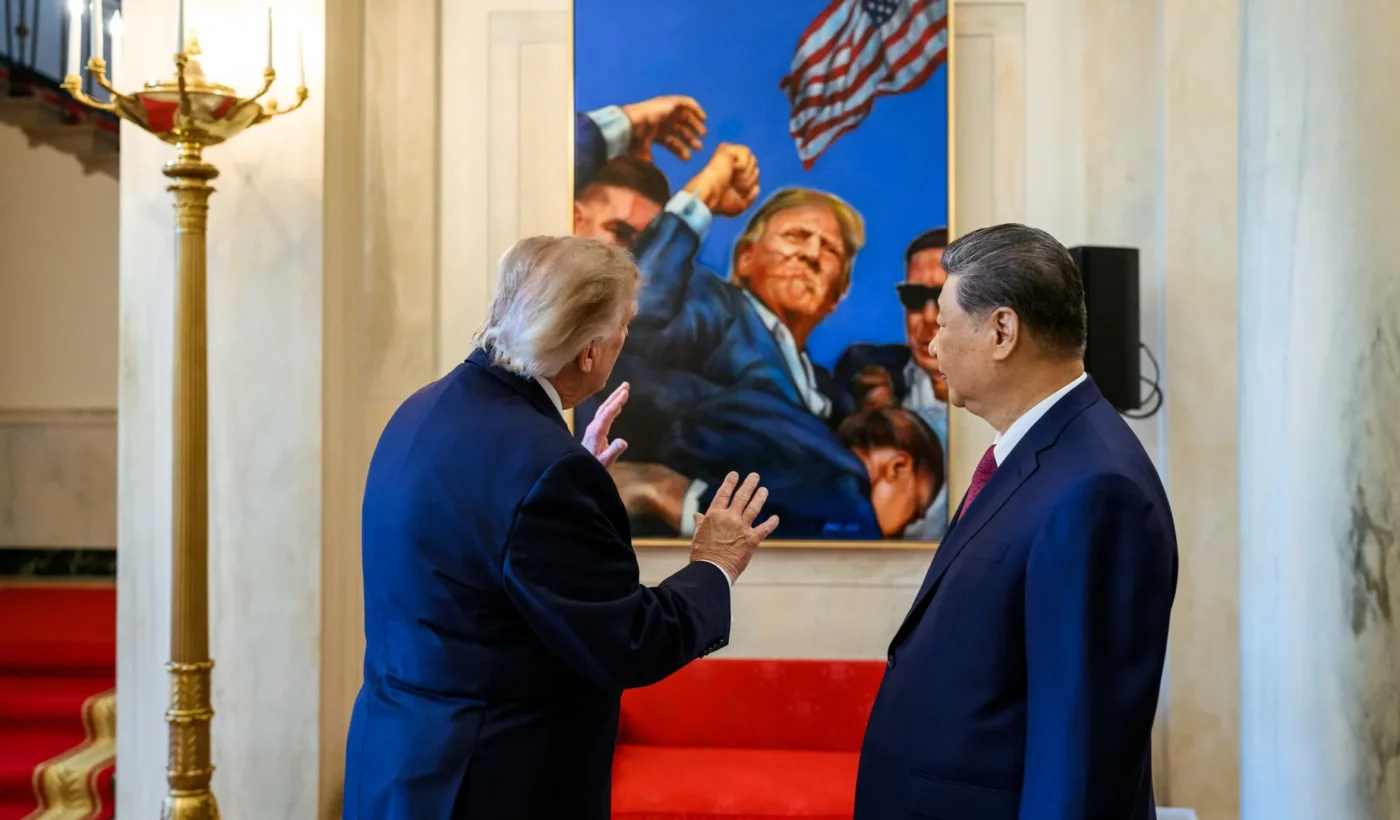
The US–China Board of Trade recommended that each country consider preferential treatment for about $30 billion of the other’s products, according to a statement issued by the Office of the United States Trade Representative on September 27. The announcement followed the leaders’ meeting at the White House on September 24 and their decision to extend a broader trade truce through January 10.
That distinction matters for importers and exporters. The two governments have identified products for possible relief, but the board’s recommendation does not itself change the duties collected at the border. Any actual reductions would require further decisions by the respective authorities.
Agricultural products and consumer goods
The goods under consideration include US farm exports such as corn, wheat, sorghum, meat, dairy products and fish. On the Chinese side, the proposed list covers consumer products including household appliances, toys and bedding. The lists outline areas in which both sides see a potential commercial opening after years of tariffs and countermeasures.
The US Trade Representative’s statement describes the $30 billion figure for each side as a recommendation for potentially more favorable treatment. It does not specify a uniform new tariff rate or an implementation date for every product on the lists.
The negotiations take place against the backdrop of a temporary pause in the wider tariff confrontation. The two sides agreed to keep that truce in place until January 10, leaving officials additional time to settle details of a possible arrangement. Businesses trading across the Pacific still face the existing rules until the relevant measures are formally changed.
Energy and technology remain on the agenda
Energy purchases and sensitive technologies are being handled separately from the proposed consumer and agricultural tariff relief. Discussions include Chinese purchases of US coal, with an annual figure of 10 million metric tons for 2027 and 2028 under consideration. Oil and liquefied natural gas are not part of that coal proposal.
The governments also intend to establish a channel for communicating about artificial intelligence incidents by the end of November. That proposed mechanism addresses a different part of the relationship: the risks and misunderstandings that could arise as both countries develop and deploy increasingly capable systems.
For now, the board’s product lists are the concrete outcome available for scrutiny. Officials on each side must decide whether and how to turn them into binding tariff measures before the extended truce expires in January.