Greece
Imia crisis explained: how Greece and Turkey neared war in 1996
A grounded cargo ship, rival flags and two fleets: how the January 1996 Imia crisis unfolded, how U.S. mediation ended it, and why Greece says the treaties settle the islet's status.

The Imia crisis was a 1996 confrontation between Greece and Turkey over a tiny, uninhabited Aegean islet that brought the two NATO allies’ fleets, commandos and aircraft face to face. It began with a grounded cargo ship on 25 December 1995, peaked on 31 January 1996 and was defused by United States mediation, but it left the Aegean sovereignty dispute that Turkey opened still unresolved.
Key points
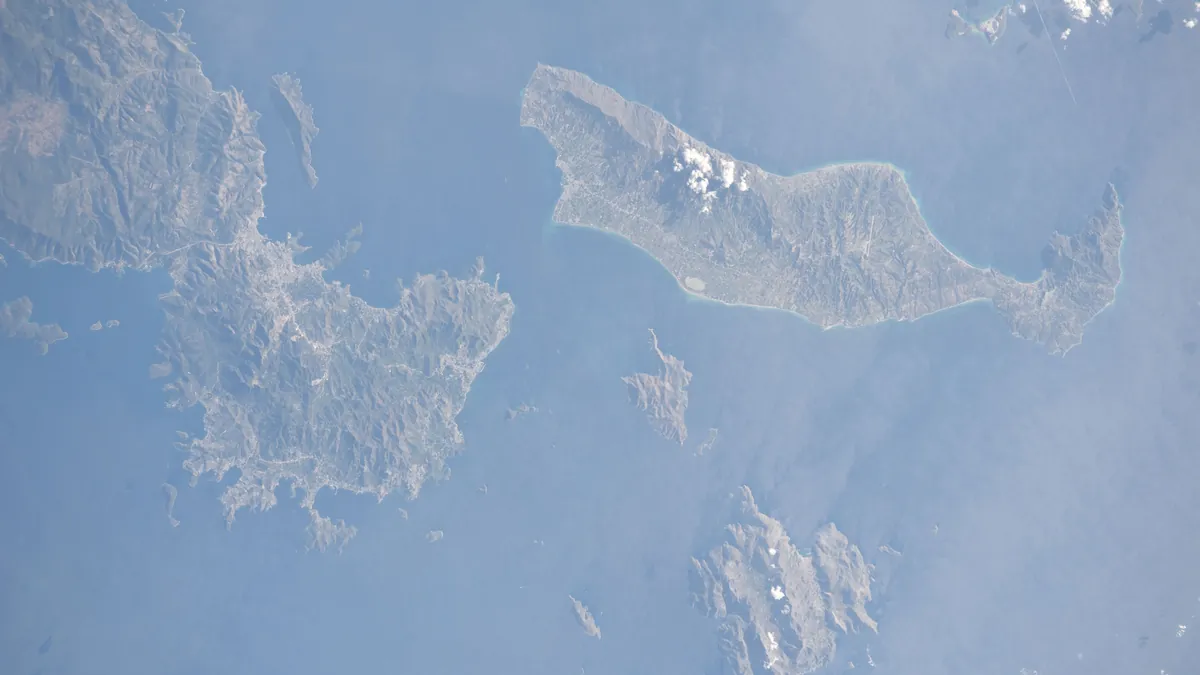
- Imia, a rocky islet of about 10 acres, lies near the Dodecanese island of Kalymnos; no flag flew there and no troops were stationed there before the crisis, according to a Congressional Research Service (CRS) report.
- Greece’s title rests on three treaties: Lausanne (1923), the Italy-Turkey agreements of 1932 and the 1947 Treaty of Peace with Italy, which ceded the Dodecanese and “the adjacent islets” to Greece.
- The crisis ended on 31 January 1996 with a mutual withdrawal brokered by Washington; three Hellenic Navy crew died when a helicopter crashed during the pull-back.
- Turkey’s challenge to Aegean frontiers did not end with the crisis: a 2003 House resolution describes Turkish claims over numerous islands, islets and unspecified “gray areas”, while Greece says the treaties settle the question.
What happened at Imia in January 1996?
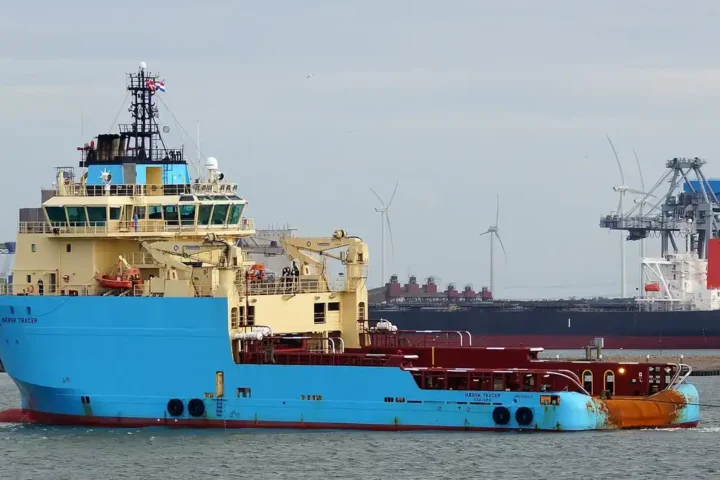
The CRS account, written in March 1996, places the start on 25 December 1995, when a Turkish cargo ship ran aground on the islet. The captain at first refused Greek help, saying the islet was Turkish. The mayor of a neighbouring Greek island raised the Greek flag, Turkey’s Foreign Ministry sent a note to the Greek embassy asserting the islet was Turkish, and Greece rejected the claim (CRS report 96-140).
The incident stayed largely in the press until late January. On 28 January Turkish journalists landed, lowered a Greek flag and raised a Turkish one. Athens protested to the Turkish ambassador, and Greek Navy commandos restored the Greek flag the same day. Greek Prime Minister Simitis warned that the response to “aggressive nationalism” would be “strong, immediate, and effective”; Turkish caretaker Prime Minister Tansu Ciller said: “We can’t let a foreign flag fly on Turkish soil. The flag will come down.”
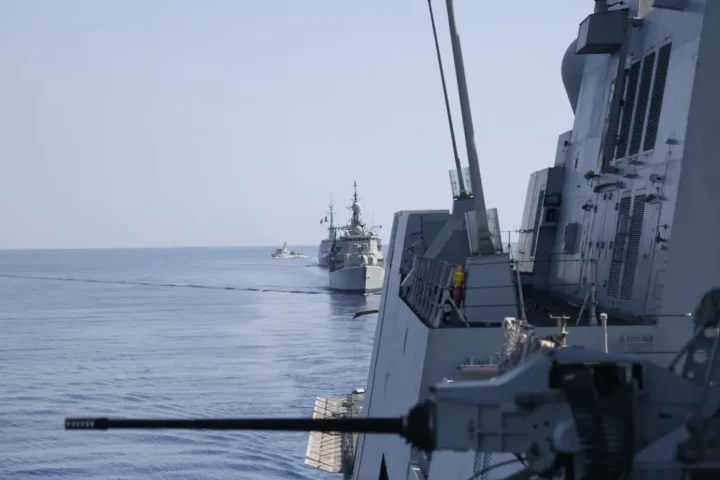
By 29 January both countries had sent warships, and Greek forces were on their highest alert. On 30 January the Greek Defence Ministry reported that “the entire Greek fleet is sailing in the Aegean” and that at least eight Turkish vessels had deployed; at times up to 20 ships were reported around the islet. Greek Defence Minister Yerasimos Arsenis said Greek warships had warned a Turkish frigate to leave Greek waters and that Greek aircraft had intercepted Turkish planes violating Greek airspace.
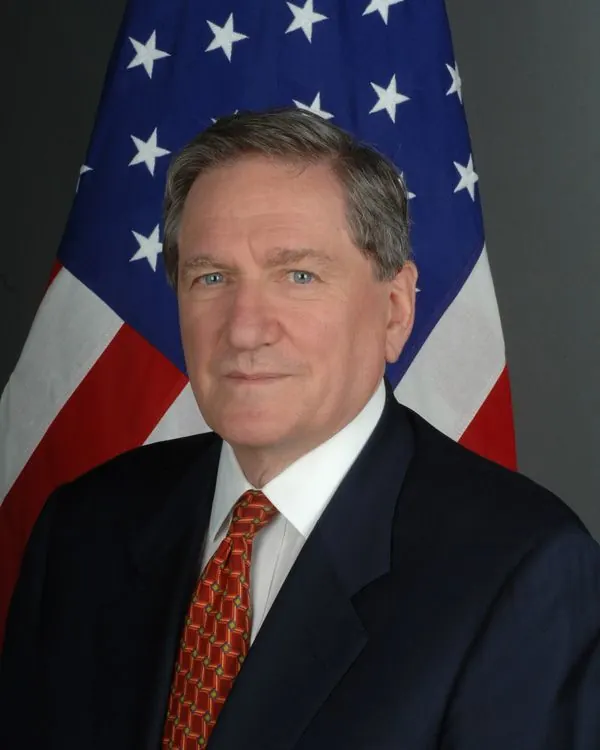
Early on 31 January, Turkish commandos landed on an adjacent outcrop and planted a Turkish flag. That was the most dangerous moment: according to the CRS, the United States had detected signs that Greece planned to reinforce the islet and that Turkey planned to take it. Richard Holbrooke, then Assistant Secretary of State for European Affairs, said afterwards: “There were clear warnings that the Turks were going to retake this islet by force, which would have been easy to do.”
How did the crisis end?
U.S. mediation produced an agreement on 31 January for mutual withdrawal and a return to the status quo ante, including no flags on the islet. The CRS notes that Greece and Turkey gave their reassurances to Washington because they would not give them to each other. While withdrawing, a Greek Navy helicopter crashed, killing three crew members, the only deaths of the crisis. Arsenis observed that “any incident could have led to all-out war.”
The withdrawal was completed within hours. The CRS adds that the United States acted to prevent a military confrontation between its two NATO allies and to restore the status quo ante.
Imia crisis timeline
| Date | Event |
|---|---|
| 25 Dec 1995 | Turkish cargo ship runs aground on the islet; Turkey’s Foreign Ministry claims the islet; Greece rejects the claim |
| 28 Jan 1996 | Turkish journalists land and swap flags; Greek Navy commandos restore the Greek flag |
| 29-30 Jan | Fleets deployed on both sides; Greek forces on highest alert; airspace violations reported |
| 31 Jan (early) | Turkish commandos land on an adjacent outcrop and raise a flag |
| 31 Jan | U.S.-brokered mutual withdrawal; Greek helicopter crashes, three crew killed |
| 1-7 Feb | U.S. spokesman’s remark on ‘other islands’ angers Athens and is retracted; on 7 Feb a U.S. official points to the ICJ |
| 8 Feb | Greek Chief of Staff dismissed |
Why is Imia Greek?
Greece’s position is that the treaty chain leaves no gap. In Article 15 of the Treaty of Lausanne (24 July 1923), Turkey renounced in favour of Italy “all rights and title” over the Dodecanese islands it listed, including Kalymnos, “and the islets dependent thereon”. The CRS summarises the rest: a 1932 Italy-Turkey protocol set a maritime frontier, including a midpoint between Imia and a neighbouring Turkish islet, and Article 14 of the 1947 Treaty of Peace with Italy transferred the Dodecanese to Greece.
The 1947 text is explicit: Italy “hereby cedes to Greece in full sovereignty the Dodecanese Islands” it lists, “as well as the adjacent islets” (Treaty of Peace with Italy, Article 14). Greece reads that cession as covering Imia, a dependency of Kalymnos, with the 1923 and 1932 instruments fixing the frontier it inherited. This is also the reading adopted in resolutions submitted to the U.S. Congress: Senate Resolution 247 (April 1996) described Imia as a dependency of Kalymnos, and House Concurrent Resolution 87 (March 2003) described the Aegean water boundaries as settled by these treaties, urging that any party objecting should go to the International Court of Justice (H. Con. Res. 87). Both were submitted and referred to committee; they are statements of members of Congress, not U.S. policy.
The wider legal framework is covered in our explainers on the Treaty of Lausanne explained: borders, islands and minorities, How the Dodecanese Became Greek: History, 1923 to 1948 and UNCLOS explained: sea zones, islands and the Aegean dispute.
Turkey’s case, as Ankara states it
Turkey argues that possession of small islands, islets and rocks in the Aegean was never clearly settled by agreement. According to the CRS, Ankara says the 1932 protocol was not registered with the League of Nations Secretariat, that Greece failed to get a reference to it into the 1947 treaty, and that the rocks are neither among the named islands nor “adjacent islets” as the treaty uses the term. It also points to the demilitarisation clause and its fishermen’s use of the islet.
Greece’s answer, in the CRS summary, is that the protocol did not need separate registration because the Convention it annexed was registered, and that Greece succeeded to all Italian rights over Dodecanese boundaries. The treaty text also separates the two questions: paragraph 1 of Article 14 transfers sovereignty in full, while demilitarisation is a separate paragraph, so a dispute over the latter does not reopen title.
What did the United States and Europe do?
Washington’s priority was to stop two allies fighting. The CRS describes the highest-level U.S. officials intervening, with Holbrooke mediating actively. Afterwards the State Department refused to take a position on sovereignty. On 1 February a spokesman said there might be other islands or islets on which the United States takes no position on sovereignty and promised a list; Greeks were outraged, and several days later the department retracted the statement and said there was no list. On 7 February a U.S. official said that because the validity of the 1932 protocol was disputed, the best venues for the questions would be the International Court of Justice or another consensual, impartial body.
Europe was more supportive. The CRS notes that the European Parliament supported Greece’s view on sovereignty, while EU foreign ministers simply urged the parties to settle differences amicably. In the House resolution’s wording, a resolution of 15 February 1996 recorded that the water boundaries set by the Lausanne Treaty and the 1932 Convention and protocol are the borders between Greece and Turkey in the Aegean. Greece also threatened to reopen debate on the EU-Turkey customs union accord.
What did the Imia crisis change in Greece?
The CRS describes a government that was barely a week old: the Simitis government had taken office after Andreas Papandreou’s resignation, and weak governments in both capitals, together with a nationalist press, helped the crisis spiral. In Athens the outcome was seen by many as a “national humiliation”. Opposition leader Miltiades Evert called the withdrawal and the lowering of the flag an abandonment of national territory. The Greek Chief of Staff was fired on 8 February, mostly for commenting publicly on government discussions during the crisis.
Why does Imia still matter?
Imia was not an isolated quarrel. The CRS lists the other unresolved issues of the time: Turkey rejects Greece’s 10-mile airspace limit and Greece protests repeated Turkish violations; the continental shelf is undelimited; Greece ratified the Law of the Sea Convention in May 1995, which would allow a 12-nautical-mile territorial sea, and the Turkish Parliament responded by authorising the government to go to war if Greece declares it. Turkey had not signed that convention.
The same pattern of challenge to settled frontiers runs through the Eastern Mediterranean, where Turkey’s 1974 invasion has left the northern third of Cyprus under occupation (see Cyprus problem explained: 1960, 1974 and the UN buffer zone). In both cases Greece’s position is that treaties and international law already answer the question, and that a state that disputes them should go to the International Court of Justice; Prime Minister Simitis said in 1996 that Turkey must initiate an appeal to the Court since it is questioning Greek rights. The 1996 lesson is practical as well as legal: a flag, a ship and two nationalist media cycles brought two NATO fleets close to a shooting war within days.
Sources
This explainer rests on the Congressional Research Service report Greece and Turkey: The Rocky Islet Crisis (7 March 1996), the text of Article 14 of the 1947 Treaty of Peace with Italy, and the texts of H. Con. Res. 87 and S. Res. 247.