Middle East & North Africa
Houthi missile debris falls on a village in the Mecca region; the Houthis deny targeting the city
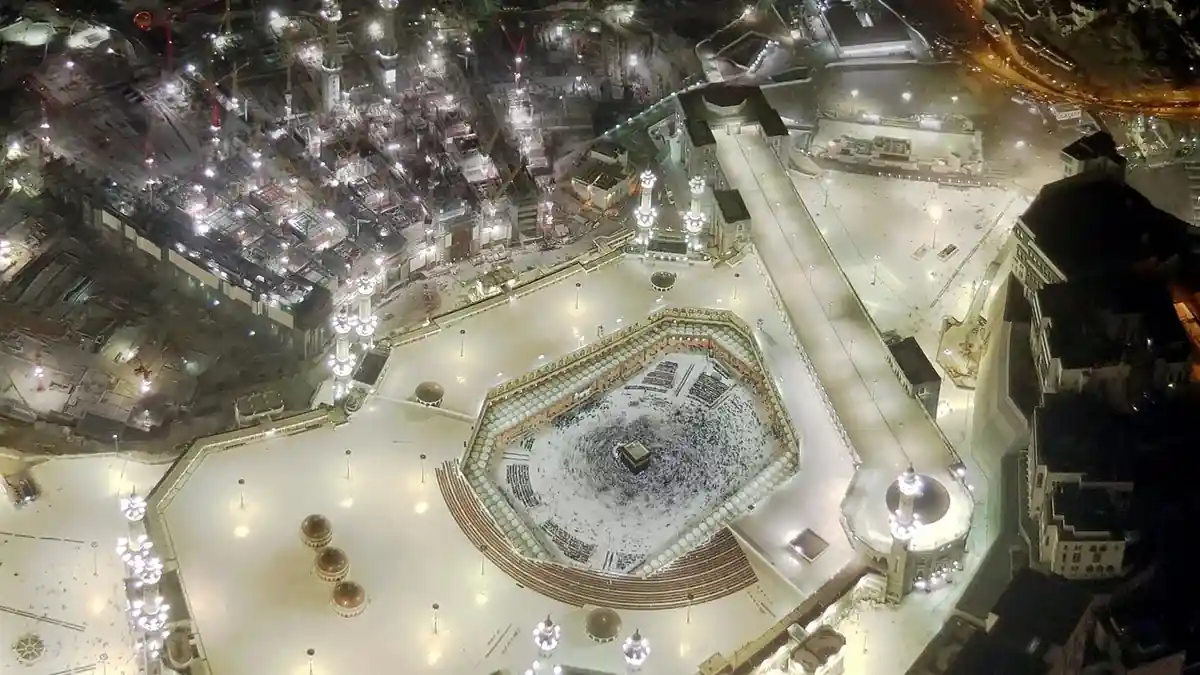
Saudi Arabia says two Houthi ballistic missiles heading for the Mecca region were destroyed but fragments landed in the village of Sabuha; the Houthis deny targeting the holy city and say their drone aimed at Yanbu.

Two Houthi ballistic missiles heading for the Mecca region were destroyed by Saudi air defences on the evening of Wednesday, November 11, but pieces of them ended up in the village of Sabuha. The incident was announced by Saudi Arabia’s General Directorate of Civil Defense in a statement on the state agency SPA in the early hours of Thursday, November 12.
Civil Defense crews rushed to the places where the fragments fell and the competent authorities applied the established procedures to protect lives and property. The Directorate called the attack on non-military targets a “flagrant violation of international humanitarian law” and stressed the danger posed by the militia’s “hostile stance”.
A few hours earlier, the spokesman of the coalition backing Yemen’s recognised government, Brigadier General Turki al-Maliki, had announced the destruction of two ballistic missiles in the kingdom’s “western region”. Earlier the same evening he had also spoken of two Houthi drones shot down over the Mecca area and the southern regions. A similar incident with ballistic missile debris at Mecca had been recorded earlier.
The Houthi response
The Houthis categorically denied targeting the holy city. On the official Telegram channel of their military spokesman, Yahya Saree, they claimed their drone had been aimed at pumping station No. 11 in Yanbu, on the Red Sea coast. They called the Saudi claim of a shoot-down over Mecca a “new slander”, arguing that their operations hit oil facilities and military bases and that Yemen “cares for the Islamic holy sites” more than the Saudi royal family. The same day the Houthis said they launched three cruise missiles at King Khalid International Airport in Riyadh. These claims have not been independently verified.
The front has also flared up inside Yemen. The Houthis claim they hit with ballistic missiles a Saudi command and operations centre in the Buraiqa area of Aden, which, they say, coordinates reinforcements to the fronts in Lahij, Dhale and Taiz. They also reported strikes on force concentrations at Camp Haraz, in Ras al-Ara, in eastern al-Jawf province and in eastern Raghwan district, in Marib province. At the same time they accuse the Saudi air force of 93 air raids in 24 hours across six provinces.
The cost to the civilian population is rising sharply. The World Health Organization counts 11,755 dead and wounded up to November 8 (2,098 dead and 9,657 wounded), while more than 320,000 people have been displaced since August 1. We have presented in detail the fronts and the tolls of the government army.
On the diplomatic front, the G7 foreign ministers, in the joint declaration after the Paris meeting on November 9 and 10 (our report), condemned “in the strongest terms” the Houthi strikes on Saudi Arabia, including those on civilians and civilian infrastructure. They called on the group to stop all military action immediately, recognised the right of Riyadh and the Yemeni government to defend their security and urged all parties involved, Iran included, to stop arming the Houthis. They also called for a humanitarian corridor for Taiz and for the release of 70 UN staff held by the Houthis.