Drones
Omsk: drone attack lasting nearly six hours near Russia’s biggest refinery, 2,500 km from Ukraine
Omsk Governor Vitaly Khotsenko says one person was injured in a drone attack that lasted almost six hours on Wednesday. The city is home to Russia’s largest refinery, run by Gazprom Neft, about 2,500 km from Ukraine’s eastern border.

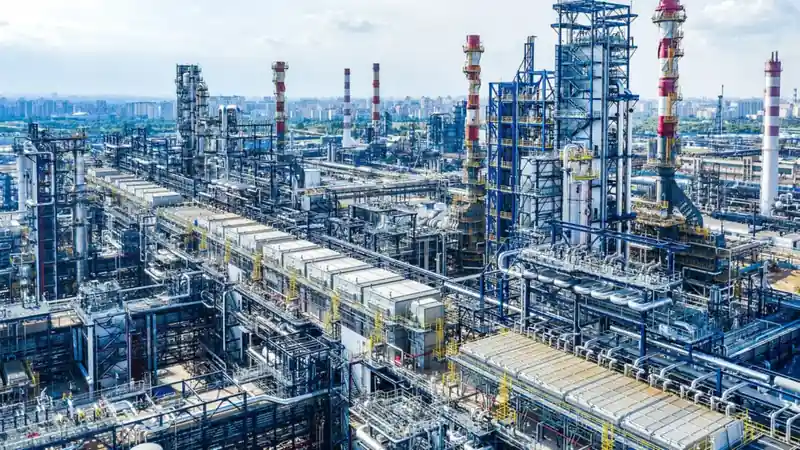
A drone attack lasting almost six hours hit Omsk on the afternoon of Wednesday, November 11. The Siberian city is home to Russia’s largest refinery, about 2,500 kilometres from Ukraine’s eastern border. The plant belongs to Gazprom Neft and has a processing capacity of over 21 million tonnes of crude a year, making it the country’s top refining unit.
The alarm was raised by the governor of the Omsk region, Vitaly Khotsenko, at 14:55 Moscow time (13:55 in Greece). In successive posts he asked residents not to go out and not to watch, photograph or publish footage of Russian air defence at work. He wrote that all emergency services were on heightened alert and that crews had been sent to places where “debris of enemy drones” had fallen.
The all-clear came at 20:46 Moscow time. “I thank the air defence fighters of Russia’s Ministry of Defence, the servicemen, the services’ staff, the firefighters and all who took care of our residents’ safety,” Khotsenko wrote. On the morning of Thursday, November 12, he said one person had been injured and that doctors rated their condition as satisfactory, with no danger to life. Events in the city were cancelled because of the attack, among them figure-skating competitions and the opening of the “Dostoevsky. Omsk” festival.
What monitoring channels say about the refinery
The Ukrainian monitoring channel Exilenova+ posted footage from early afternoon that, it claimed, showed a large fire at the Omsk refinery, with the first explosion recorded around 13:30 Kyiv time. An open-source analyst of the independent Russian channel Astra spotted a flash of fire in the refinery area, where residents reported a blaze, and power cuts were reported in some districts. A local Telegram channel, however, claimed the refinery was not hit and that the city’s thermal power plant may have been damaged, which is also unconfirmed.
The Omsk refinery stands out not only for its size. It produces about one in six litres of Russia’s petrol and diesel. After the July strike, Ukraine’s General Staff said the plant has a refining depth close to 99%, among the highest in the country, and that it produces fuels, lubricants and petrochemicals that also reach the Russian army. Its distance from the front kept it out of reach of Ukrainian drones for years, but in 2026 it has already been targeted in July and October. On October 24, a drone attack in the same region started a fire at an Ozon logistics centre.
A series of strikes on Russian energy
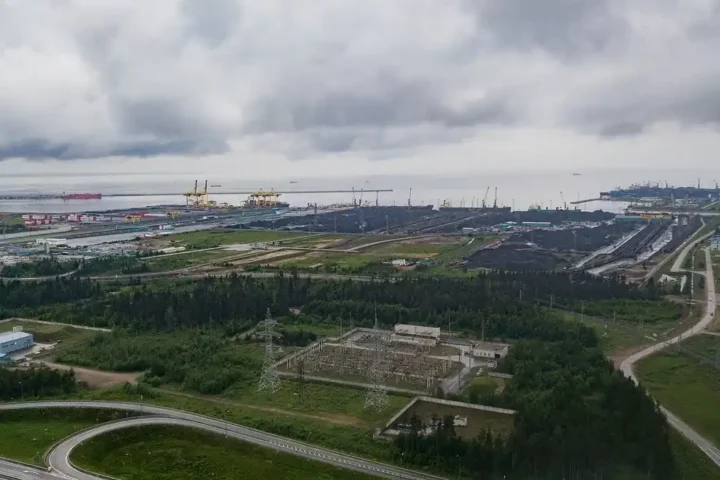
Omsk is the latest in a series of strikes on Russian energy infrastructure within a few days. The night before had seen the attack that left the Baltic port of Ust-Luga on fire, as we reported in our report on the Leningrad region attack. On Monday, November 9, a fire broke out at the Kirishi refinery in the same Leningrad region, and earlier this month the governor of Yaroslavl confirmed damage at the city’s refinery. For the wider impact, see our report on Russia’s refining capacity hit by Ukrainian drone strikes.
Volodymyr Zelensky, speaking in Dublin on Wednesday evening, described the strikes as “long-range Ukrainian sanctions” and said they “work”, because Russian weapons production sites are now within range of Ukrainian means.