Air Force
Lockheed Martin’s Taiclet: an upgraded F-35 with 80% of a clean-sheet sixth-generation fighter at half the cost
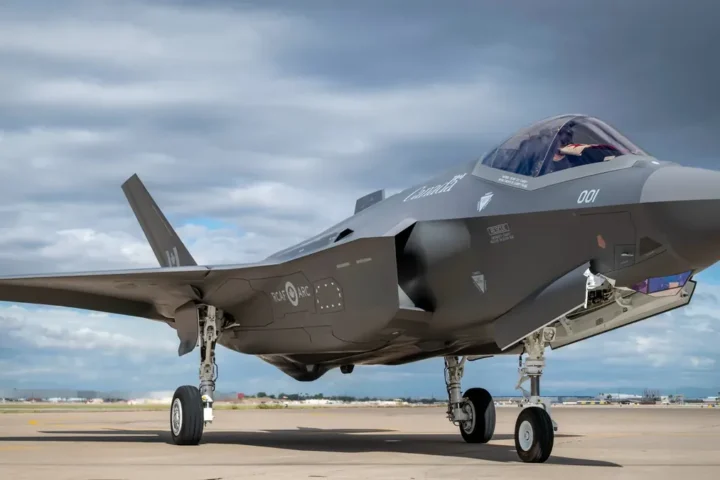
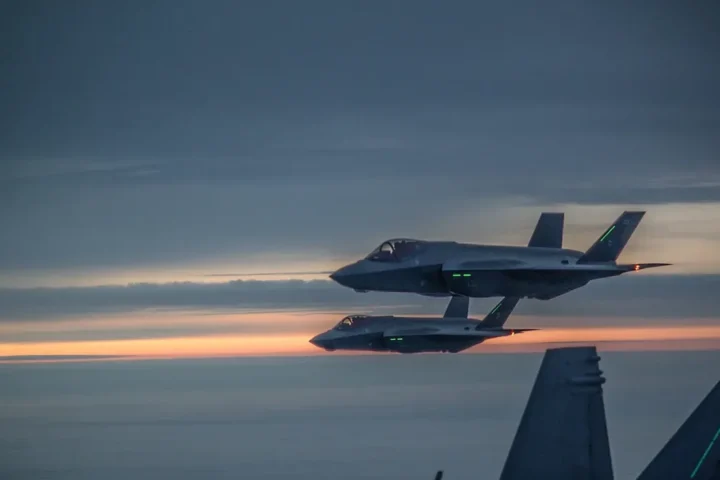
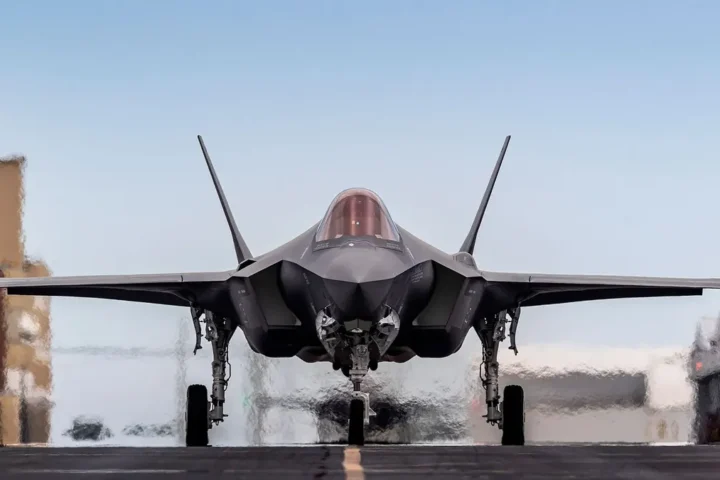
Lockheed Martin CEO Jim Taiclet said on October 22 that the company aims to add key sixth-generation technologies to the F-35 and reach 80% of a clean-sheet sixth-generation aircraft at 50% of the cost, alongside an F-22 upgrade and the Vectis autonomous aircraft.

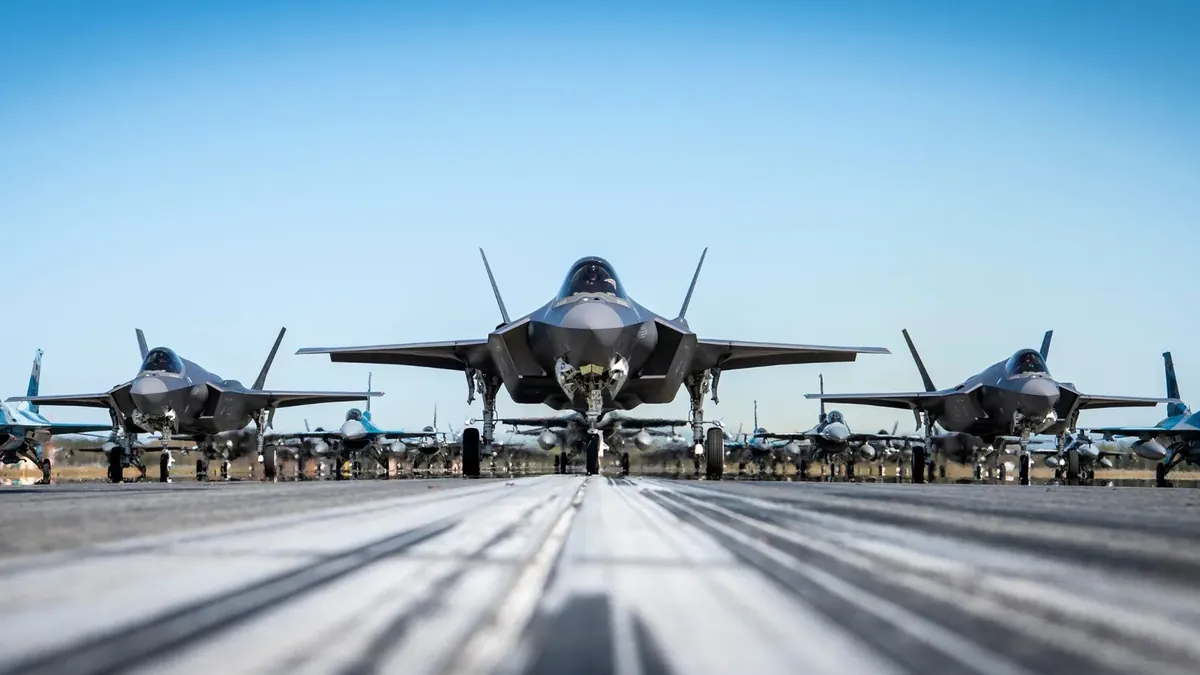
An F-35 that offers 80% of the capabilities of a sixth-generation fighter designed from scratch, at half the cost: that is the goal set by Lockheed Martin Chairman, President and CEO Jim Taiclet on Thursday, October 22, in the analyst call on third-quarter results.
The remark came in answer to a question about Vectis and Skunk Works. Taiclet described what he called an “optimisation equation” for maximum air combat power at the most cost-effective price for the US government. The equation, he said, has three parts.
Three parts of the equation
The first is modernising the F-22, with sensors, a distributed aperture system (DAS), data links and beyond-visual-range capabilities the original Raptor lacked, to bring it to “fifth-generation plus” level. The second concerns the F-35, which will make up the bulk of air power, especially in air-to-ground missions. The programme, he said, was “locked in” for the next ten years by the framework agreement the Department of War and the company announced the same morning: 850 US aircraft over ten years, international customers’ orders in Lots 21 to 30 and a steady rate of 156 fighters a year. We covered the deal earlier.
That stability, according to Taiclet, opens the way to the next step. “It will allow us to add key sixth-generation technologies and try to reach 80% of what a sixth-generation aircraft designed from scratch would be, at 50% of its cost,” he said, adding that the company believes this can indeed be done at Skunk Works, where the F-22 upgrade is already under way with US armed forces.
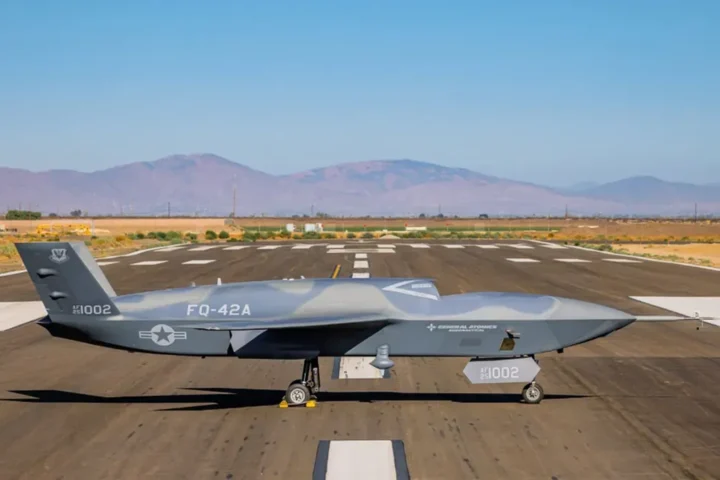
The third part is Vectis, the autonomous aircraft Lockheed Martin first showed with an enigmatic teaser. The Skunk Works team went from first design to wind-tunnel tests in less than two months and the company decided to build five aircraft with its own funds. Vectis is intended for air superiority and strike missions, and the company is trying to design the aircraft so that it can be made available immediately to allies, without first being developed to US-only release criteria and then seeking export approval after the fact. Lockheed Martin sees a first opportunity in Increment 2 of the US Air Force’s Collaborative Combat Aircraft programme, expected to be issued in about the next two years and which, the company estimates, will have requirements for larger payload, range and survivability.
The supply chain
In the same briefing Taiclet explained that more than 60% of the F-35 comes from the supply chain, with Northrop Grumman building the centre fuselage and BAE Systems the rear. Under the new fixed-price model with an adjustment clause, all suppliers will have an incentive to invest, while spare parts will be bought jointly for production and fleet support, to achieve better prices and higher availability.
The discussion of the F-35’s role comes days after the US Air Force estimated it needs 1,509 fighters by 2035, with Boeing’s F-47 as its own sixth-generation fighter.