Drones
Neptune missiles hit drone production, storage and repair sites in Rostov-on-Don, Ukraine’s General Staff says – and the Volgograd refinery units
Ukraine’s General Staff says Neptune missiles struck three drone-related sites in Rostov-on-Don overnight into November 13, and that its forces also hit several units of the Lukoil refinery in Volgograd.

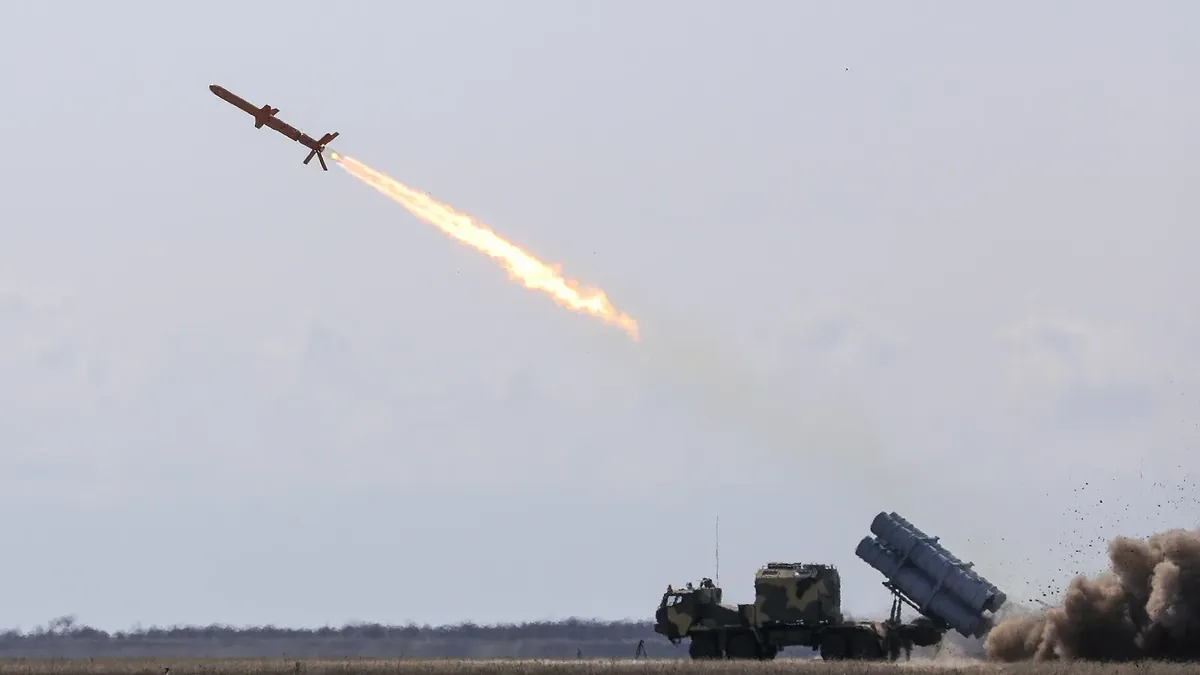
Missiles of the Neptune coastal missile system of Ukraine’s Navy hit three drone-related sites in Rostov-on-Don overnight into Friday, November 13. The announcement came from the General Staff of Ukraine’s Armed Forces, which speaks of a simultaneous strike on production, storage and maintenance. According to the General Staff, some of the drones that hit Ukrainian cities, positions and energy infrastructure every night are built, stored and repaired in the city.
The first target was the production site of the company “Ionos,” which builds tactical-level attack drones, and the second was the site where the same company stores its drones. The third target was the service centre of “Aero-Hit,” where the Russian army repairs and maintains drones for the front. Aero-Hit produces the Veles attack and reconnaissance FPV drones at a factory in Khabarovsk, and keeps only the service centre in Rostov-on-Don. “Some of the drones will not be built, some burned in the warehouse, and those that were damaged will take a long time to return to the front,” the General Staff wrote.
On the Russian side, Rostov region Governor Yuri Slyusar said on his channel on the Max platform that air defences shot down 120 drones over the city and ten districts of the region. In Rostov-on-Don one man was injured and five apartment blocks were damaged, while, according to him, a fire in a production building in the Sovetsky district was put out. Rostov has been targeted before: in late October Ukraine announced a strike with Neptunes and drones on the Kamensky combine in the region.
The Volgograd refinery
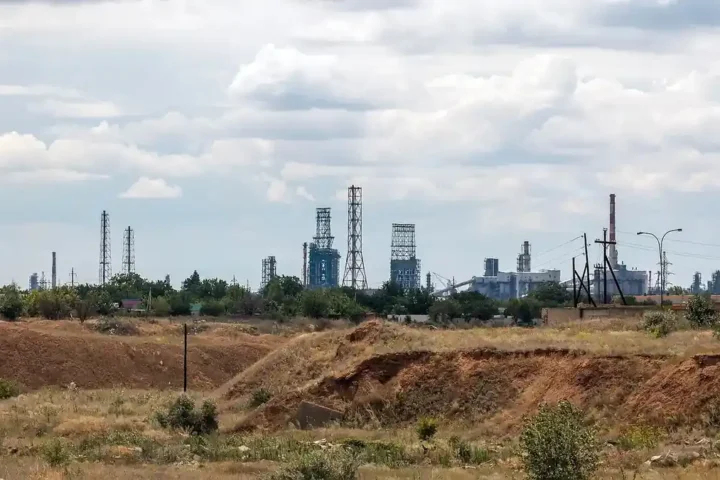
Shortly afterwards the General Staff confirmed that the same night Ukrainian forces hit the Lukoil-Volgogradneftepererabotka refinery in Volgograd, where the Russian side had reported a fire on Friday morning (our report on the 1,198 drones). The refinery, with a capacity of about 15 million tonnes of oil a year, produces petrol, diesel and jet fuel. According to the General Staff, the primary distillation units AVT-1, AVT-3, AVT-5 and AVT-6, the hydrotreating unit, the loading and unloading rack and six 2,000-cubic-metre tanks were hit, and a fire broke out at the facilities.
The General Staff describes the refinery as one of the main “fuel stations” of the Russian army in the south, from which fuel goes to the front and to the airfields of the aircraft striking Ukraine. In both announcements it invokes the right of self-defence under Article 51 of the UN Charter and closes with the phrase “to be continued.” The strikes come a few days after the hit on the Omsk refinery, 2,500 kilometres from Ukraine.