Air Force
SCALP-EG: the cruise missile of the Rafale and Mirage 2000-5 that strikes more than 250 km deep
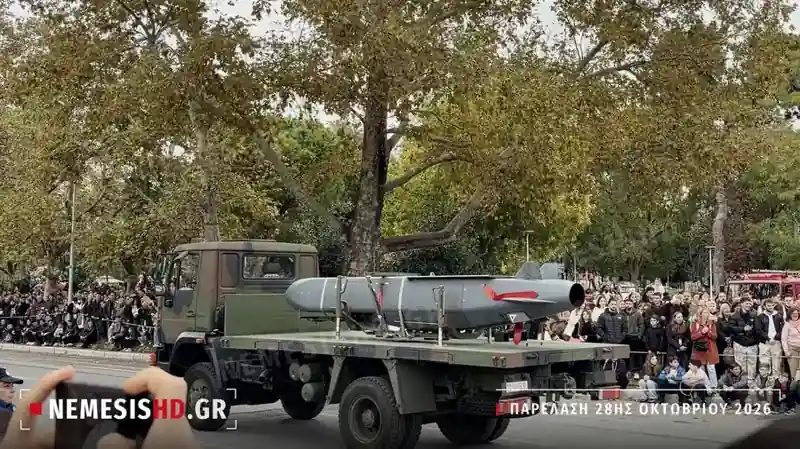
The SCALP-EG cruise missile appeared at the October 28 parade. Official MBDA data, how it flies and strikes, its history in the Hellenic Air Force and where its limits lie in the Aegean.

The SCALP-EG is the weapon with which the Hellenic Air Force can strike targets hundreds of kilometres inside an adversary’s territory without its fighters entering the range of his air defence. It passed on a truck in the military parade of October 28, 2026 in Thessaloniki, together with the Rampage, the SPICE kits and the JSOW glide bomb, the weapons that give the Greek fighters deep-strike capability. Greece has had it for almost two decades on the Mirage 2000-5 Mk2, acquired it again with the Rafale and renewed it with an MBDA contract in 2023, but it remains a weapon for a few chosen targets: command centres, hardened shelters, air-defence batteries and critical infrastructure, the kind that decide the first hours of a war.
What the SCALP-EG is: MBDA’s official data
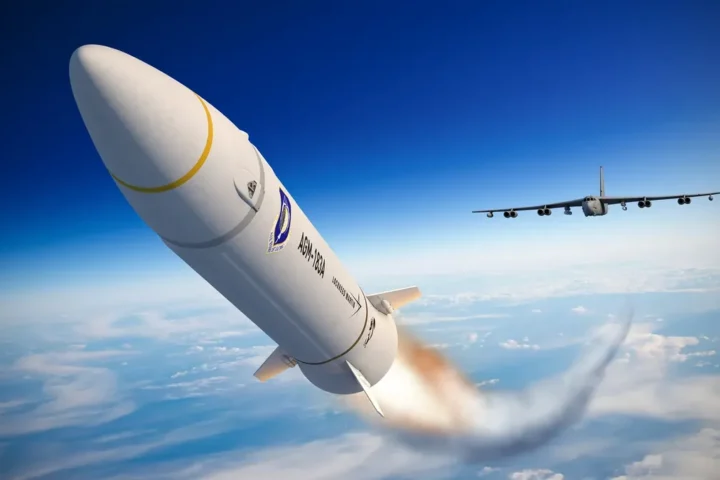
The SCALP-EG (Système de Croisière Autonome à Longue Portée – Emploi Général) is the French name of the missile Britain calls Storm Shadow. It is made by the European MBDA and, according to the company’s official data, weighs 1,300 kg, is 5.10 metres long, is powered by a turbojet and reaches more than 250 kilometres. It is designed for pre-planned strikes on fixed high-value targets such as hardened shelters and infrastructure, by day or night and in all weather. After release it descends to very low altitude, following the terrain to avoid radar, and navigates by a combination of inertial system, GPS and terrain reference navigation, so that it does not depend only on GPS, which in the Aegean now suffers frequent jamming.
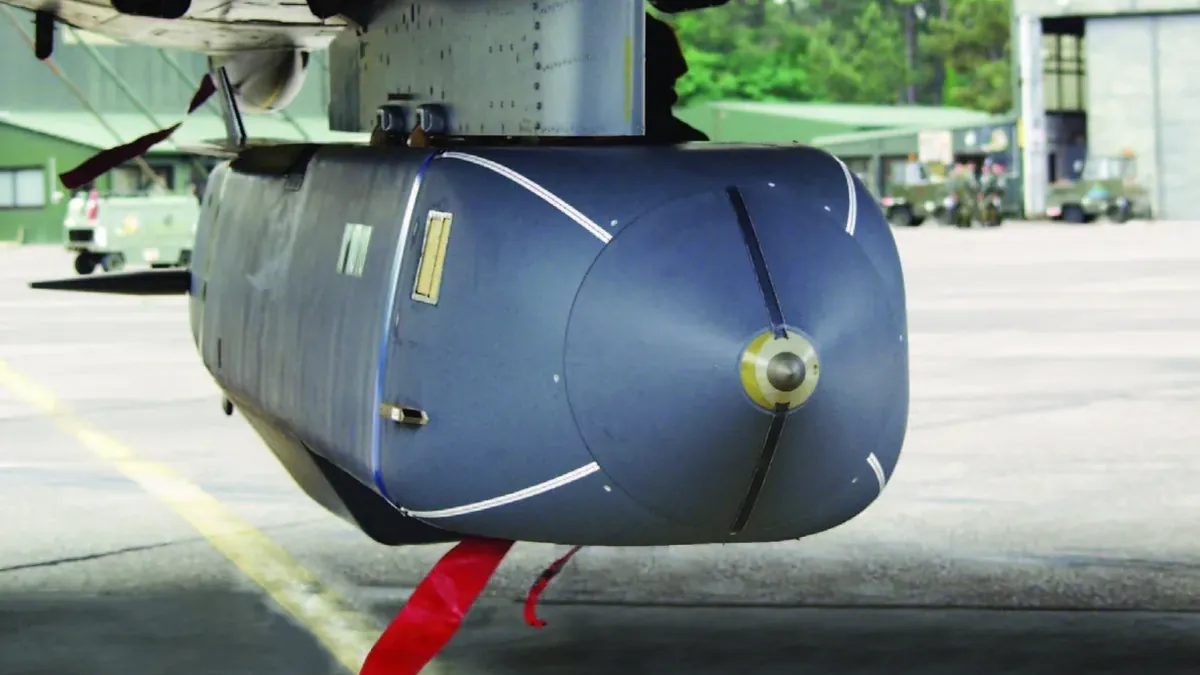
The last part of the flight is what makes the SCALP so dangerous. As it approaches, the missile climbs and performs a steep terminal dive, while the imaging infrared seeker in the nose compares the picture of the target with the image stored in its memory during mission planning, with automatic target recognition. The tandem warhead has a first charge that clears a way through concrete or earth and a main penetrating charge that detonates inside the target, with options of airburst, impact or detonation after penetration. The missile has been used in real operations in Iraq, Libya and Syria, and since 2023 in Ukraine too, where it repeatedly hit high-value targets despite dense Russian air defence.
The SCALP in the Air Force: Mirage 2000-5, Rafale and the 2023 contract
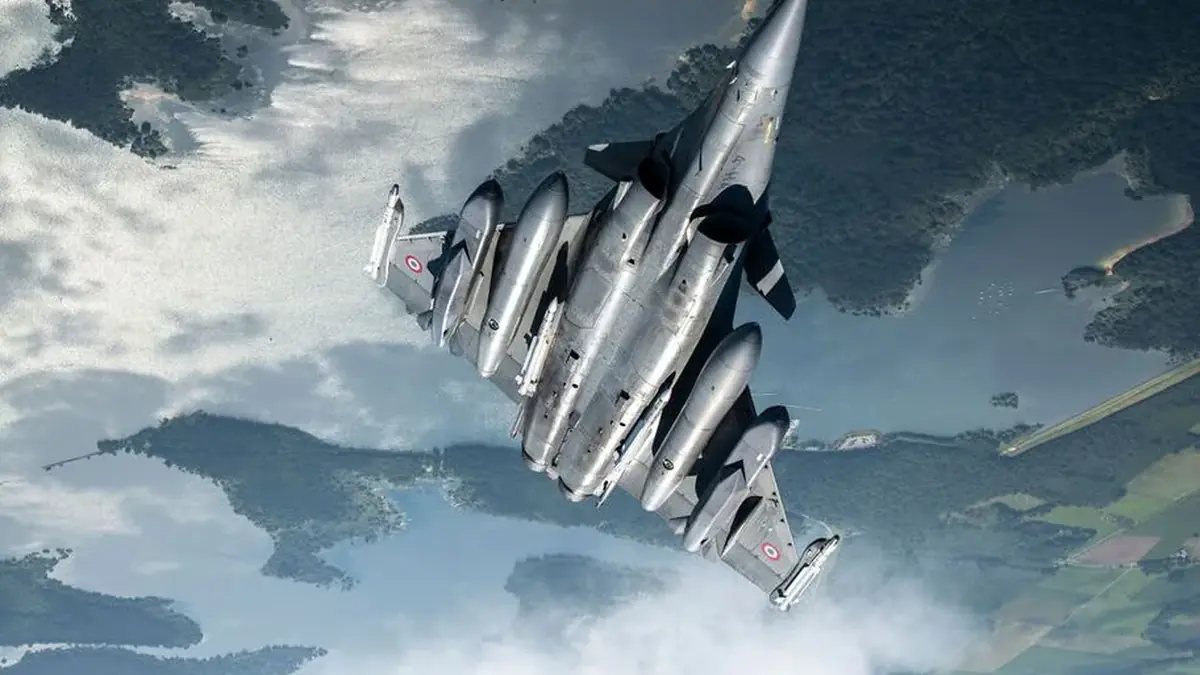
The first Greek SCALP-EGs came as part of the original weapons package of the Mirage 2000-5 Mk2, which combined the RDY radar with the cruise missile and gave the Hellenic Air Force a stand-off deep-strike capability. Greece ordered new SCALPs with the 18 Rafales in 2021 and the 6 additional in 2022, as part of the MBDA contract for Meteor, MICA, SCALP and Exocet AM39, and today the missile arms both French fighter types, including the Rafales of the 332 Squadron at Tanagra. On May 11, 2023, the Director General of Defence Investments and Armaments, Aristeidis Alexopoulos, and MBDA chief executive Eric Béranger signed a contract for the mid-life refurbishment of the Greek SCALPs, with mission-planning products, maintenance and technical support, so that the missiles of the first package stay reliable for many more years.
Why the SCALP matters in the Aegean and where its limit lies
The SCALP’s value for Greece is that it gives the Air Force a deterrent in depth: a Rafale or Mirage flying over the Aegean can hit air bases, command centres, radars and air-defence batteries in Asia Minor without crossing the coastline, and this alone forces an adversary to disperse and protect his critical infrastructure. The missile does, however, have clear limits. It is designed for fixed targets, not for moving vehicles or ships, it requires detailed mission planning with recent images of the target, and it is expensive, so stocks are by definition limited. The problem of the Air Force is not the quality of its weapons but that the best bows were bought with few arrows. That is why the SCALP must be complemented by cheaper medium-range weapons, such as the AASM HAMMER being considered for the Rafale and the Israeli weapons seen in the same parade, so that the few cruise missiles are kept for the targets that truly deserve them.