Greece
VICTA: the craft that “dives” to deliver frogmen to the target – the ten boats and the role of Skaramangas
The VICTA diver-delivery craft passed in the October 28 parade. A 40-knot surface boat that dives for the final approach, ten boats for €145 million, and why it fits the Aegean.

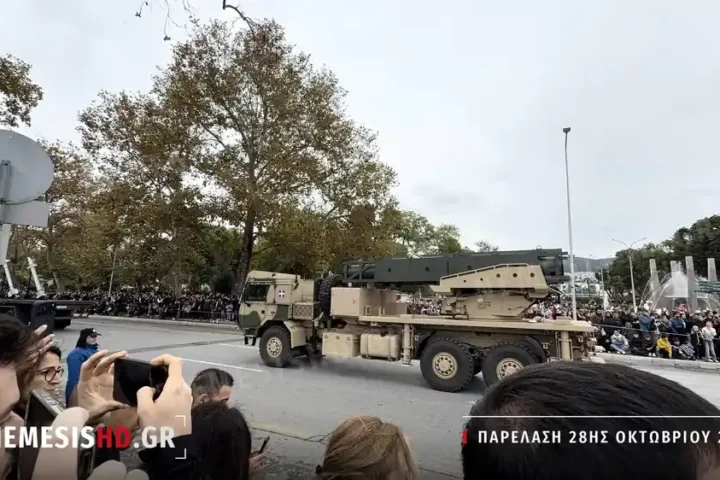
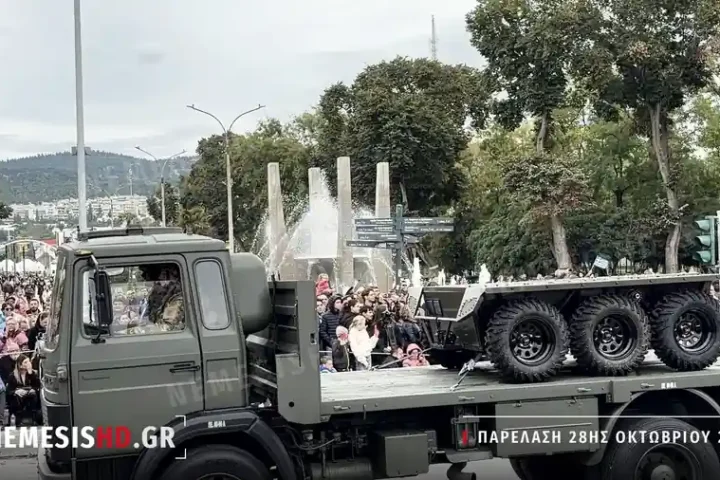
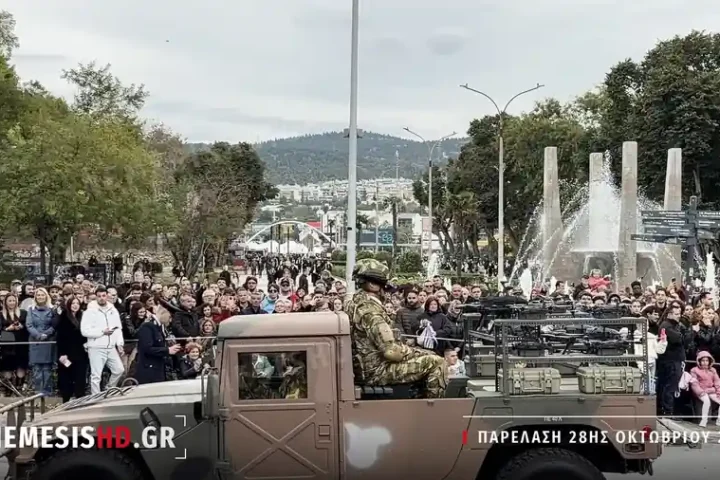
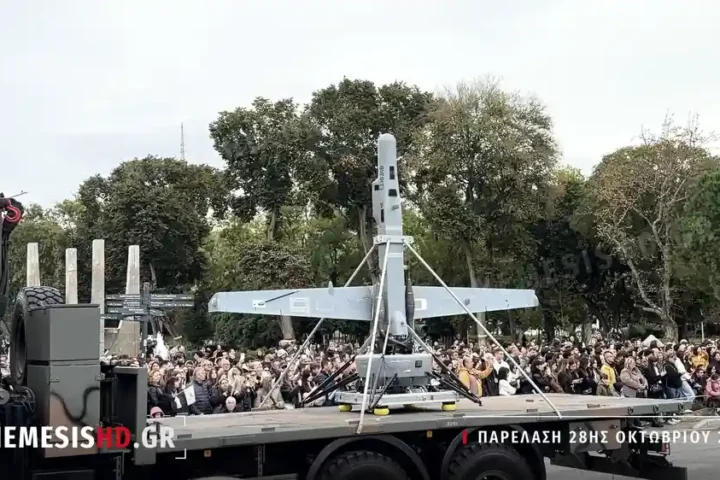
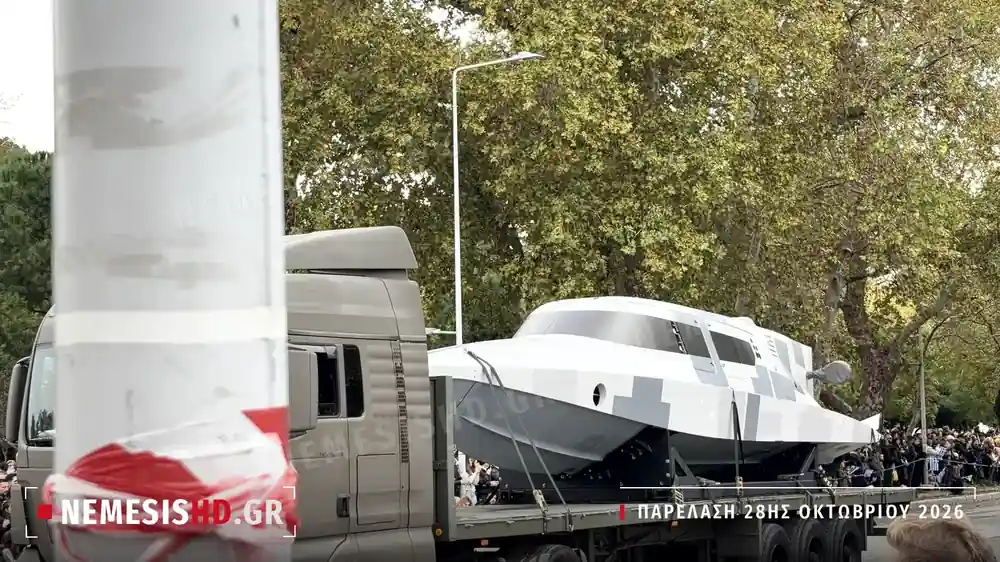
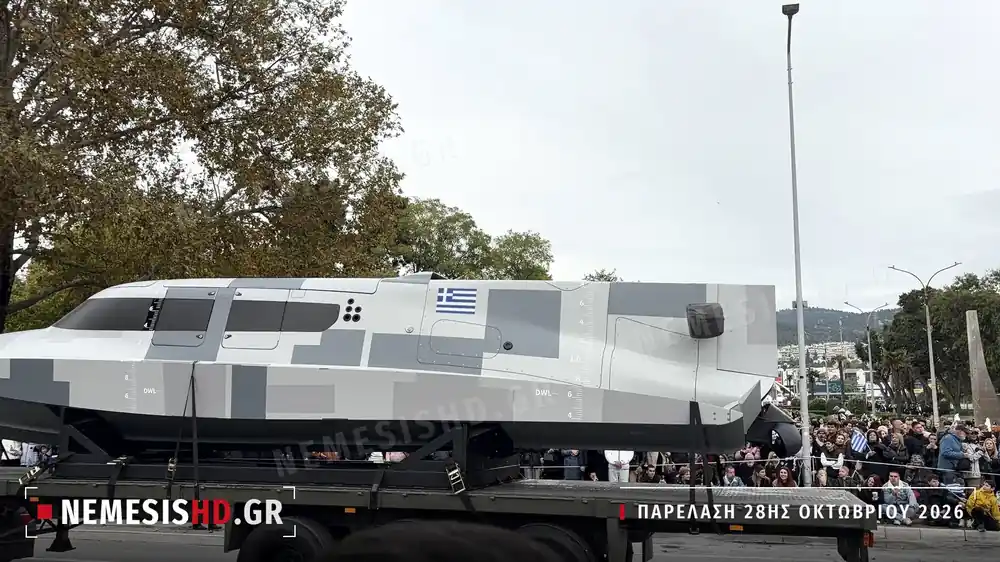
The VICTA is one of the most unusual assets the Greek special forces have acquired in recent years: a boat that runs on the surface at 40 knots and, when it nears the target, submerges and continues underwater with the frogmen inside. It passed with grey digital camouflage and a Greek flag in the military parade of October 28, 2026 in Thessaloniki, a few months after the Government Council for Foreign Affairs and Defence (KYSEA) approved the procurement of ten craft. It belongs to the category of diver delivery units, but differs from classic mini-submarines at one critical point: it needs no mother submarine and no slow underwater transit of dozens of miles. It covers the distance quickly on the surface and dives only for the last, most dangerous part of the mission.
What the VICTA is and how it works
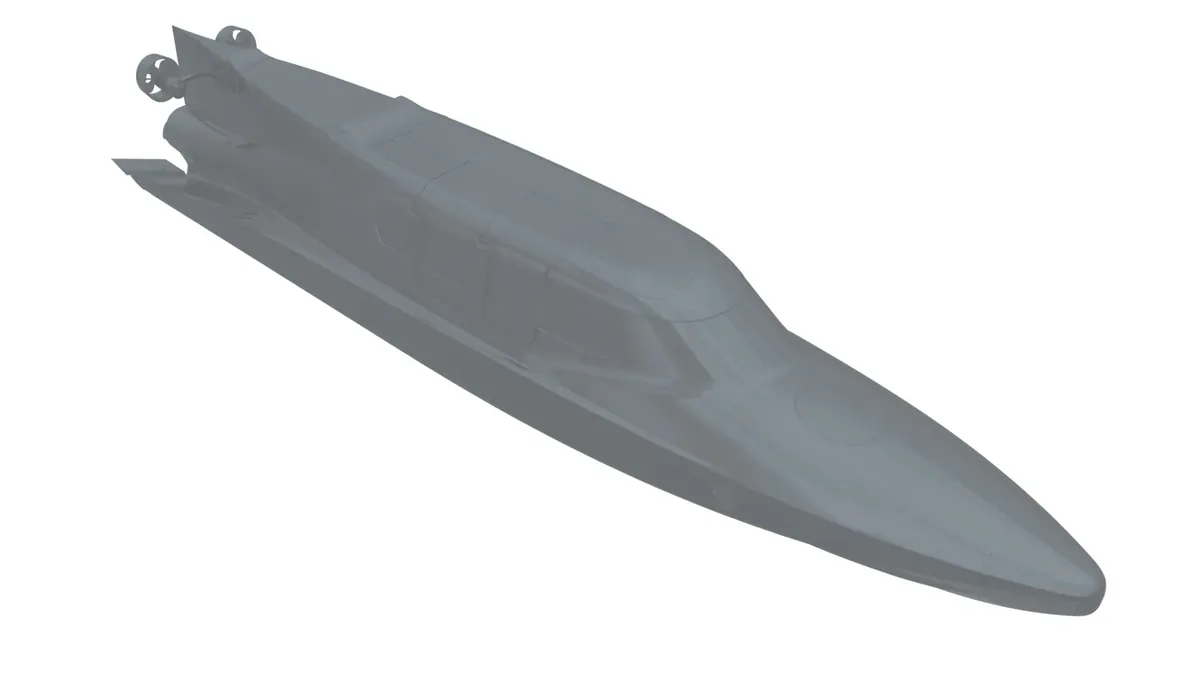
The VICTA is a design of Britain’s SubSea Craft, which describes it on its official page as a craft combining fast surface transit with “wet” underwater operation. “Wet” means that when the craft submerges, water enters the personnel compartment and the divers breathe from their own breathing apparatus or from the craft’s system, as in the vehicles of frogmen teams. According to the figures given for the parade’s systems, the VICTA carries two operators and six special-operations team members, reaches 40 knots on the surface and 8 knots submerged, and dives to 30 metres. On the surface it moves with a diesel engine and waterjets and underwater with electric thrusters, so that its acoustic signature is very low at the point where the risk of detection is greatest.
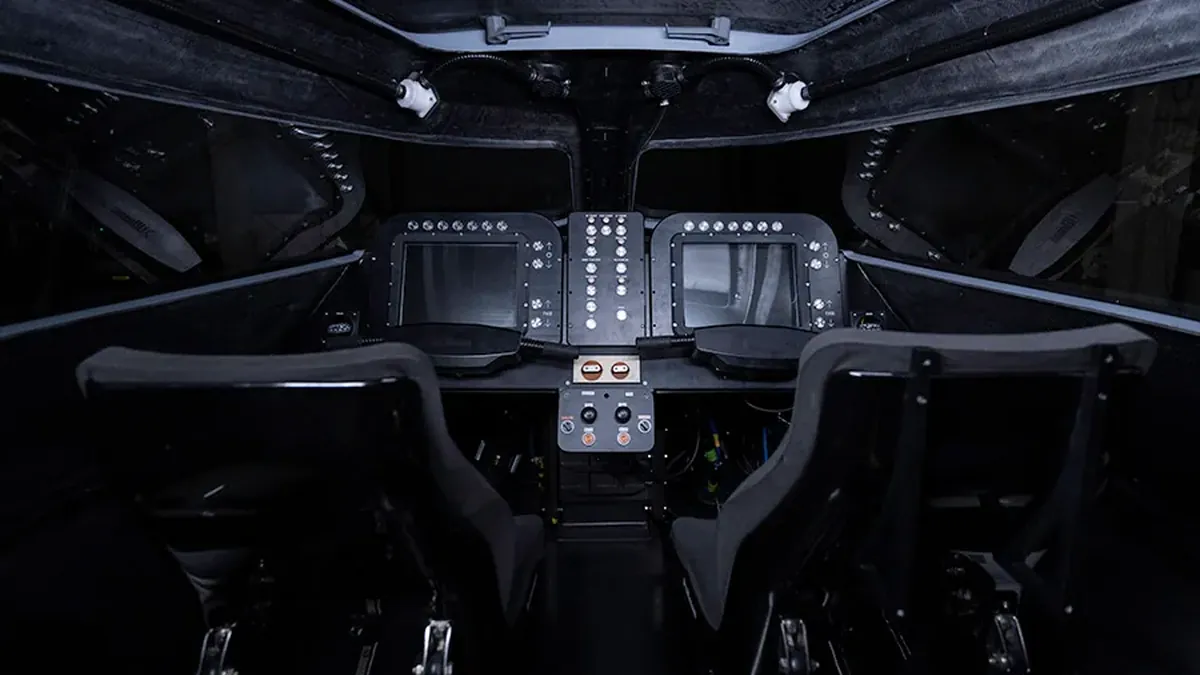
SubSea Craft designed the vessel with a standard rail system inside, so that the same space can take personnel, combat supplies or other mission systems, and foresees it operating either on its own or networked with other assets, crewed or autonomous. The last capability matters for what follows, because the Greek programme envisages a future evolution of the VICTA into an autonomous vehicle with unmanned-systems technology, which could turn it from a means of carrying people into a means of carrying sensors or loads into areas where nobody wants to send divers.
The Greek programme: ten craft, eight of them from Skaramangas
The procurement concerns ten VICTA craft at a cost of about €145 million, including support. The programme passed the Parliament’s Armaments Committee in June 2026 and was approved by KYSEA on July 23, 2026, with Defence Minister Nikos Dendias describing it as a programme of “uniqueness and absolute originality”. Six craft will go to the Special Warfare Command (DEP) and four to the Navy’s Underwater Demolition Command (DYK). The first two will be built in the United Kingdom and the remaining eight at the Skaramangas Shipyards, which will also take on support and maintenance. For the Skaramangas Shipyards, known mainly for the Navy’s submarines, it is a programme of small, specialised craft with production and support in Greece.
Why such a craft suits the Aegean
The Aegean, with its hundreds of islands and rocky islets, is a near-ideal environment for an asset like the VICTA. A team of the Underwater Demolition Command or special forces can set out from a Greek island, quickly cover the distance on the surface at night and dive a few miles before the target, to reach a coast, a harbour or a ship unseen. The same logic applies defensively, for the rapid reinforcement or retaking of an islet in a crisis, without exposing helicopters or fast boats visible from afar. Until now Greek teams had either fast boats, which are quick but visible, or diver propulsion vehicles, which are invisible but slow and of short range. The VICTA bridges that gap, and if the Navy takes up the provision for an autonomous version, the same craft could later carry out reconnaissance or carry loads without people on board. The Navy’s other unmanned craft shown at the parade are covered in our “Anemogiannis” analysis.