Europe
UK Armed Forces and NHS war-game the care of casualties returning from future conflicts
More than 100 military experts, clinicians and civil servants tested plans to treat Armed Forces personnel injured in future conflicts, with lessons from Ukraine, the UK Ministry of Defence says.

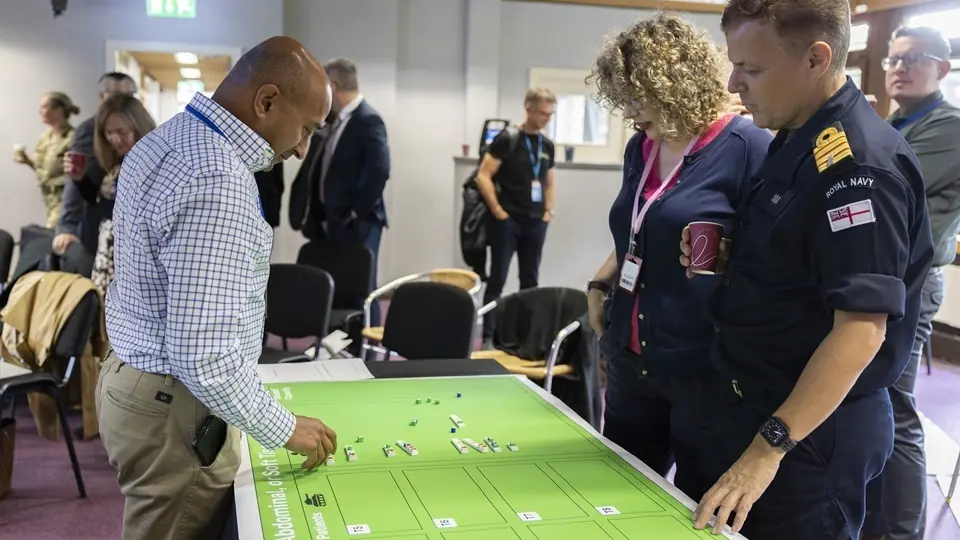
Britain’s Armed Forces and the National Health Service have tested together how they would treat wounded personnel flown home from a future conflict, in a war-game that drew on medical lessons from the war in Ukraine. The UK Ministry of Defence announced the exercise on 20 October 2026, saying it took place the previous week.
More than 100 military experts, clinicians and civil servants took part, according to the government’s press release. The war-game was led by Defence Medical Command and looked at how the military, the NHS and other healthcare providers would work together to support military patients returning to the UK from a range of operational scenarios. Participants assessed plans for civilian health services to treat patients who had first received life-saving care at the point of injury and then travelled very long distances. The ministry said military and civilian health providers from around the UK, together with participants from the United States and Canada, attended.
Lessons from Ukraine
The exercise also examined medical lessons from Ukraine. The ministry listed the challenges of increasing hospital capacity, keeping civilian access to health care, large-scale rehabilitation, the likely injuries that would need treatment, and mental health support. Defence Medical Command says it is also studying techniques to protect field hospitals, equipment and medical staff from attack, advanced trauma training, stronger supply chains and new technology such as portable ultrasound equipment and uncrewed evacuation systems.
On equipment, the ministry said Defence Medical Command is investing in dried blood products to make it easier to restore blood supplies on the battlefield and in tranexamic acid autoinjector pens, which promote clotting to reduce blood loss at the point of injury, along with modern field hospital equipment.
What officials said
Defence Minister Lord Coaker said the exercise brought Defence, the NHS and allies “around the same table” and that testing plans now builds “the trusted relationships and readiness needed to protect our country and care for those who serve”. The Surgeon General, Major General Phil Carter, described such war-games as a vital part of planning the Operational Patient Care Pathway, and said the war in Ukraine “reinforces the need to keep learning, adapting and innovating”. Dr Mike Prentice, the NHS’s National Director for NHS Resilience, said the health service has a vital role in preparedness for future conflict and must be able to care for returning military personnel while continuing to meet the needs of the public.
The government presents the exercise as routine preparedness planning that supports the Strategic Defence Review’s emphasis on resilience and a whole-of-society approach to national security. It said the lessons will inform future planning across the Armed Forces and civilian health services, and that further exercises are scheduled in the coming months. It gave no detail of the scenarios used.
The announcement came on the same day the UK set out another military step, which Geopolitiki reported here: UK to fly RAF Typhoon defensive missions over Saudi Arabia as Houthi attacks escalate, Ministry of Defence says.
Source: UK Government press release, Cyber and Specialist Operations Command, 20 October 2026.