Military & Defense
USS Spruance (DDG 111) returns to San Diego after 12 months of combat deployment, with dozens of Tomahawks fired at Iran
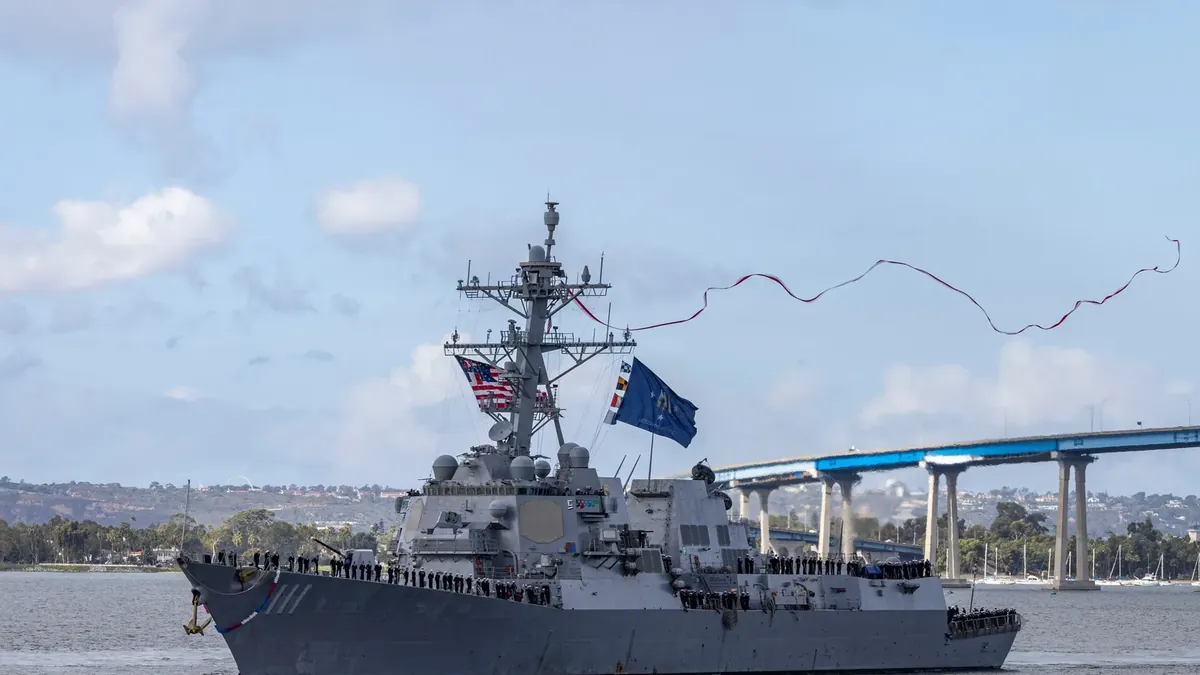
The Arleigh Burke-class destroyer USS Spruance returned to San Diego on November 13 after a 12-month deployment in which, the US 3rd Fleet says, she fired dozens of Tomahawks at Iranian military targets and helped enforce the Hormuz blockade.

The Arleigh Burke-class guided-missile destroyer USS Spruance (DDG 111) returned on Friday, November 13 to Naval Base San Diego after a 12-month combat deployment. The US 3rd Fleet called the deployment “historic” and announced that the ship played a decisive role in the combat operations of Operation Epic Fury in the area of responsibility of US Central Command (CENTCOM). Helicopter Maritime Strike Squadron 71 (HSM-71) detachment returned with her. A day earlier the sister ship USS Michael Murphy (DDG 112) had returned to Hawaii after 11 months, as we reported.
Spruance belonged to Destroyer Squadron 21 of the USS Abraham Lincoln (CVN 72) Carrier Strike Group, along with the destroyers Michael Murphy and USS Frank E. Petersen Jr. (DDG 121) and Carrier Air Wing 9. The tally of the USS Abraham Lincoln in the war with Iran, 450 Tomahawks and 3,693 sorties, was made public in October. The deployment covered the areas of the 3rd, 7th and 5th Fleets, and the destroyer sailed more than 88,000 nautical miles.
Blockade in the Strait of Hormuz and Tomahawk launches
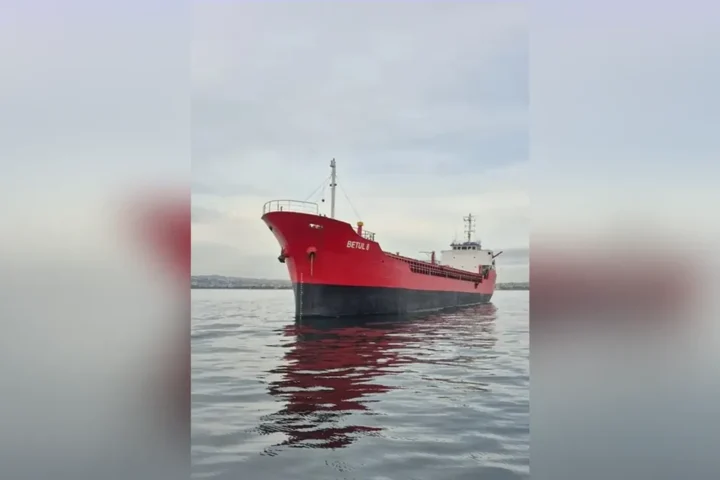
In the war with Iran, Spruance acted as the flagship of a Surface Action Group. The Navy says she led forward scouting moves near the Strait of Hormuz and took part in enforcing the naval blockade, stopping the cargo ship M/V TOUSKA, which the US calls illegal, and checking the compliance of 15 ships. Under constant threat from anti-ship cruise missiles and one-way attack drones, the ship destroyed 12 unmanned aircraft and four anti-ship cruise missiles. From February to August 2026 she fired dozens of Tomahawk Land-Attack Cruise Missiles at Iranian military targets. She also managed the tactical data-link network for several carrier strike groups and amphibious ready groups.
In the 7th Fleet area Spruance transited the San Bernardino, Singapore, Malacca, Balabac and Surigao straits. Over the whole deployment she made 43 replenishments at sea, transferring 8.6 million gallons of fuel (about 32.5 million litres), while the helicopter detachment flew more than 190 sorties and 1,150 flight hours. The ship and the strike group’s units were awarded the Presidential Unit Citation and the Combat Action Ribbon for their performance in Epic Fury.
“Commanding the ship and crew was the honour of my life,” said the commanding officer, Commander Lee Tate. “Spruance’s sailors made the difference,” he added, asking that the contribution of their families also be recognised. The ship has been in the news for another reason. Military Times recalls that Iranian officials claim munitions fired from Spruance on February 28 were responsible for a strike on Minab that killed 156 civilians, among them 120 children. On Friday, the day of her return, the Iranian government appeared to threaten the ship’s commanding officer and executive officer in a social media post.