
News
Syrian airport project faces mass-grave and land-rights objections
Rights groups and residents want redevelopment of the former Mezzeh military airport halted until suspected graves and historic land claims are addressed.

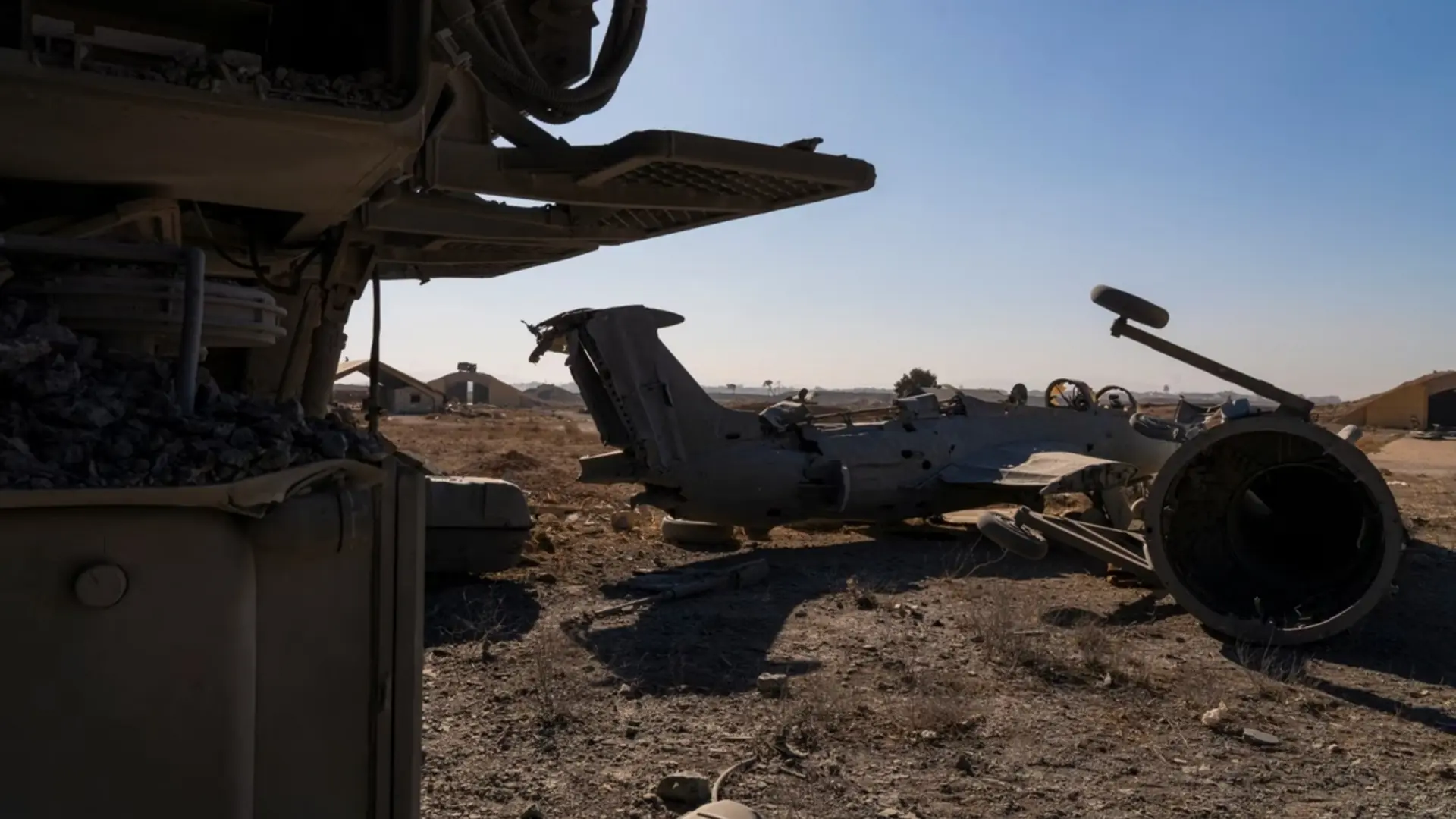
Plans to convert Syria’s former Mezzeh military airport in Damascus into a private-aviation hub have drawn objections from rights groups and residents who say suspected mass graves and unresolved property claims must be addressed before construction proceeds.
The Syrian Justice and Accountability Centre said documents from the former government indicate that Mezzeh was designated as an execution site in 2012. The group has identified two possible grave locations within the compound and has asked the authorities to halt redevelopment pending investigation.
The existence and full extent of graves at the site have not yet been established through a completed forensic inquiry. The organisation’s findings therefore represent evidence requiring investigation rather than a final official count or identification of victims.
Mezzeh was associated with military and intelligence activity under the government of Bashar al-Assad. Detainees were held in facilities linked to the area, and rights organisations have documented torture, executions and deaths in custody across Syria’s detention system.
Local residents have raised a separate land-rights issue. The airport covers approximately 2.76 square kilometres, including land they say was taken from private owners without compensation. Protesters want owners and families included in decisions about the site’s future and are seeking restitution.
Syria’s civil aviation authority confirmed refurbishment plans but did not address the suspected graves or ownership claims in the initial reporting. The project is intended to serve private aircraft rather than restore the site’s previous military function.
Redevelopment can damage forensic evidence if excavation begins before locations are documented and secured. Investigators require controlled access, records, witness testimony and specialist recovery methods to preserve evidence and identify remains.
Property disputes pose a parallel challenge for Syria’s reconstruction. Years of conflict, displacement, seizure and destroyed records have complicated ownership claims, while large projects can move faster than legal mechanisms for restitution.
The controversy places economic redevelopment alongside transitional-justice obligations. The immediate demand from rights advocates is procedural: pause work, investigate suspected graves and consult people asserting ownership before irreversible changes are made.
The Syrian Justice and Accountability Centre said it had sent its concerns to the authorities but had not received a response when Reuters reported the case. It identified two possible burial areas from documents and witness information, while stressing the need for professional forensic work before construction disturbs the ground.
Residents’ property demands are separate from the possible graves. Their requests concern consultation, documentation and restitution for land they say was taken without compensation. The available reporting did not establish that a court or government commission had issued a final ownership ruling.
The aviation authority confirmed that refurbishment was planned but did not answer Reuters’ questions about the alleged burial sites or land claims. No start date for major excavation was reported, making the demand for a pause preventive rather than a response to confirmed destruction of evidence.


