Politics & Diplomacy
Abu Dhabi: US-Russia-Ukraine talks begin – what Washington is asking Moscow for on Kyiv’s security
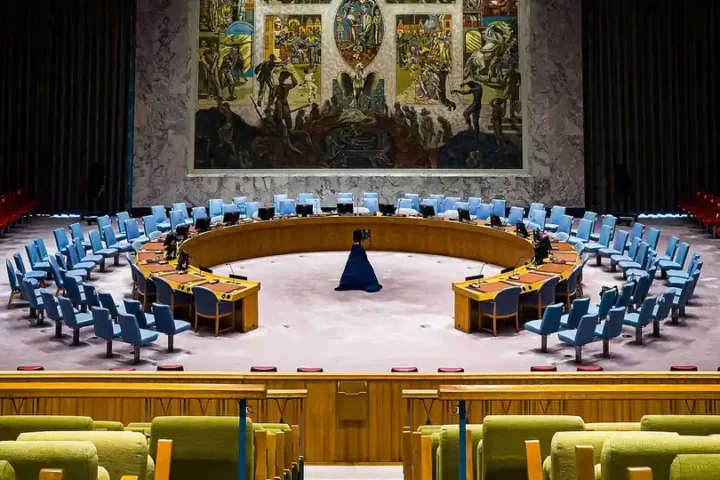
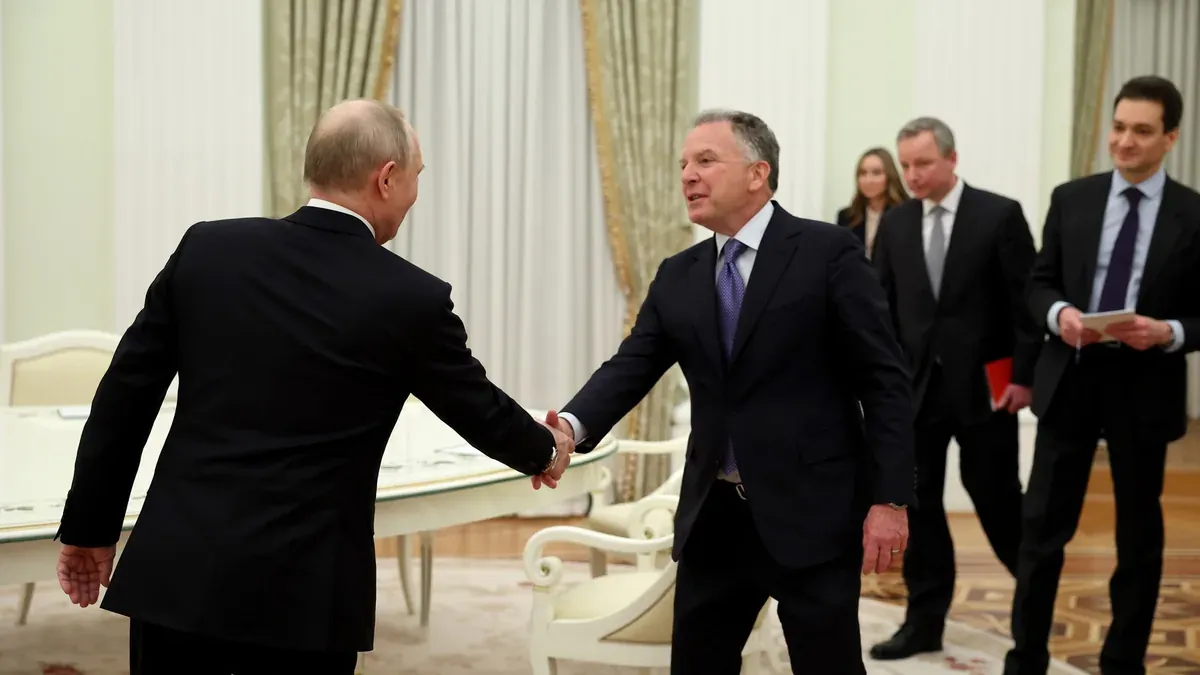
US, Russian and Ukrainian delegations sat at the same table in Abu Dhabi on November 10 for the first time since February. Washington is pressing for NATO-style security guarantees for Kyiv.

For the first time since February, delegations from the United States, Russia and Ukraine are sitting at the same table. The trilateral talks to end the war began on Tuesday, November 10 in Abu Dhabi, with Washington putting one of the war’s hardest issues on the table: security guarantees for Kyiv, modelled on NATO’s collective defence. The previous three-way meeting took place in Geneva on February 18.
US officials who briefed reporters ahead of the meeting said they have already discussed with the Russian side guarantees for Ukraine similar to Article 5 of the Alliance, under which an attack on one member is treated as an attack on all. Politico reported that the US is asking Russia to accept “NATO-style” support for Kyiv. “Having an American security guarantee is extremely important,” one of the officials said, adding that it is an issue Donald Trump and Volodymyr Zelensky will discuss, as it involves resources, funding and military support.
A framework for European security
The American proposal goes beyond Ukraine. Jared Kushner, who is negotiating alongside special envoy Steve Witkoff, described a new framework for European security with permanent consultations, reliable crisis communication channels, greater transparency in military activity and mutual measures to reduce the risk of escalation. US officials did not rule out reviving the NATO-Russia Council, frozen since 2022, nor lifting sanctions as part of a deal. The first day of talks is devoted to guarantees and security architecture, the second to territorial questions, where, they said, both sides have shown “flexibility” in private.
The Russian delegation is led by Vladimir Putin’s adviser Vladimir Medinsky, with Deputy Foreign Minister Sergei Ryabkov and senior military and intelligence officials. The Ukrainian one is headed by the chief of the Foreign Intelligence Service, Rustem Umerov, together with David Arakhamia. On Monday, November 9, Mr Trump said in Washington he sees a “very strong desire” to end the war because the two sides are “tired of fighting.” Secretary of State Marco Rubio was more cautious, saying the process “still has a way to go” and adding: “We will keep trying.”
Europe in the corridor
The Kremlin shut the door on European participation. Spokesman Dmitry Peskov said these are “trilateral negotiations between Russia and Ukraine with American mediation.” The national security advisers of Germany, France and Britain, Günter Sautter, Emmanuel Bonne and Jonathan Powell, are nevertheless in Abu Dhabi, along with the diplomatic adviser to Giorgia Meloni and officials of the Commission and NATO. The Americans will brief them, but Europeans will not take part in the main talks because of Russian objections. The US wants the next phase held with Europe at the table.
Europeans had asked for a seat at the G7 foreign ministers’ meeting in Paris, as we reported, and French Foreign Minister Jean-Noël Barrot had said that France will be in Abu Dhabi.
Mr Zelensky coordinated his positions for Abu Dhabi in a call with Ursula von der Leyen, which he announced on his official channel, and in his Monday evening address he argued that the Ukrainian army’s successes strengthen Kyiv’s hand in the negotiations. Ukraine’s main priorities are security guarantees, an energy ceasefire, lifting the blockade in the Black Sea, wider prisoner exchanges and preparation of a meeting of the three leaders.