Middle East & North Africa
Al-Monitor: Netanyahu and Israel’s military chiefs disagree on the timing of new strikes on Iran, sources say
Al-Monitor reports that Netanyahu and Israel's security chiefs disagree on when to strike Iran again. The prime minister fears Tehran will bury its nuclear programme beyond the reach of the most powerful bombs.

Israeli Prime Minister Benjamin Netanyahu and the heads of Israel’s security services disagree on when new strikes on Iran should take place and how urgent they are. This is reported by the news site Al-Monitor, in a report by Ben Caspit from Tel Aviv on Tuesday, November 17, citing Israeli security sources. According to the report, the caretaker prime minister’s efforts to convince Washington and Israeli public opinion of a new attack have one main cause. Netanyahu fears that Tehran wants to move its nuclear programme so deep underground that not even the most powerful bombs can reach it.
Al-Monitor’s sources say the prime minister is worried that Iran will end up burying all its nuclear facilities and materials at a depth beyond the reach of even the most advanced American bunker-busting bombs. The security chiefs share the concern, but do not see a need for immediate action. Iran’s nuclear programme has facilities both on the surface and underground. The underground infrastructure was hit by the US with such bombs in the June 2025 war, while it remains unknown how many of the surface facilities that survived Tehran has since moved underground.
A contrasting report from i24NEWS
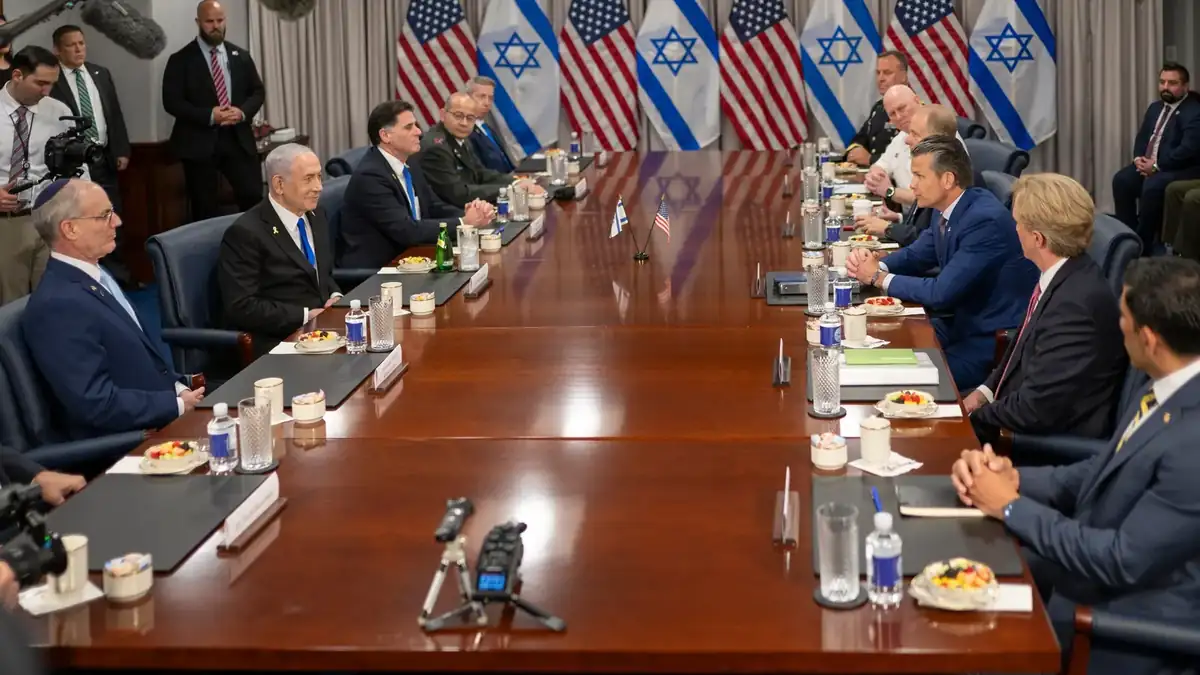
The report contrasts with what Israel’s i24NEWS channel relayed on Monday, November 16. Two Israeli sources told the channel that Netanyahu and Chief of the General Staff Eyal Zamir “appear to agree” on Iran and did not contradict each other at the meeting of Israel’s Security Cabinet on the evening of Sunday, November 15 in Tel Aviv. At the meeting senior Israeli army officers assessed that Iran continues to invest in rebuilding its missile and drone capabilities despite its worsening economy. Ministers were also briefed that the Iranian regime is expected to face a serious natural gas crisis during the winter.
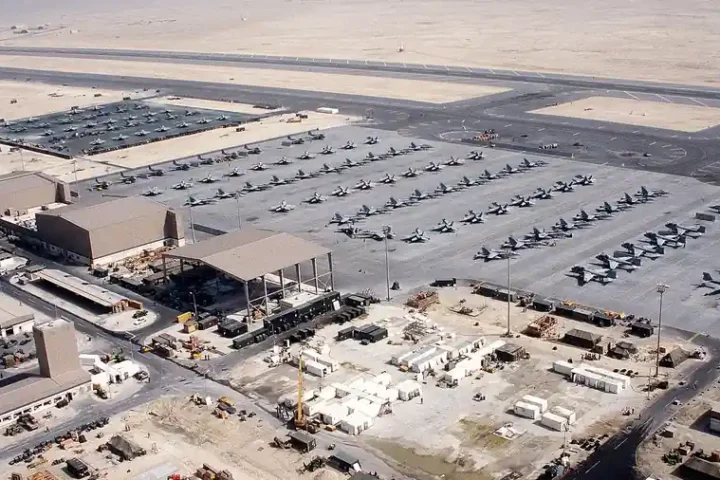
The same channel had reported earlier, again citing sources, that Donald Trump wanted to strike Iran about a month before the Israeli elections, but that Zamir opposed it and the American president changed his mind. According to the same report, disagreements between the Mossad and the army concern mainly the timing of a possible attack. In October, according to Maariv, Zamir had warned that Iran’s response to a strike might lead to a postponement of the October 27 elections. Meanwhile the American presence in the region is being reinforced, with a third US aircraft carrier in the Middle East.
“Europe is a target”
In his public statements, Netanyahu also links the Iranian threat to Europe. On Monday, November 16, alongside Czech Prime Minister Andrej Babiš in Jerusalem, he said Iran’s missiles, terrorism and nuclear ambitions do not stop at Israel’s borders. “Europe is not a bystander, Europe is a target,” he said, as the statement is rendered by the Israeli Prime Minister’s Office. These accounts rest on anonymous sources and have not been confirmed on the record.