Middle East & North Africa
CNN: US intelligence spots Iranian plans for a “dirty bomb” or chemical attack in Washington, sources say; White House cites no credible threat
CNN, citing seven US officials, says American agencies have picked up Iranian planning for a dirty bomb or chemical attack in Washington. The White House says there is no credible threat to the homeland.

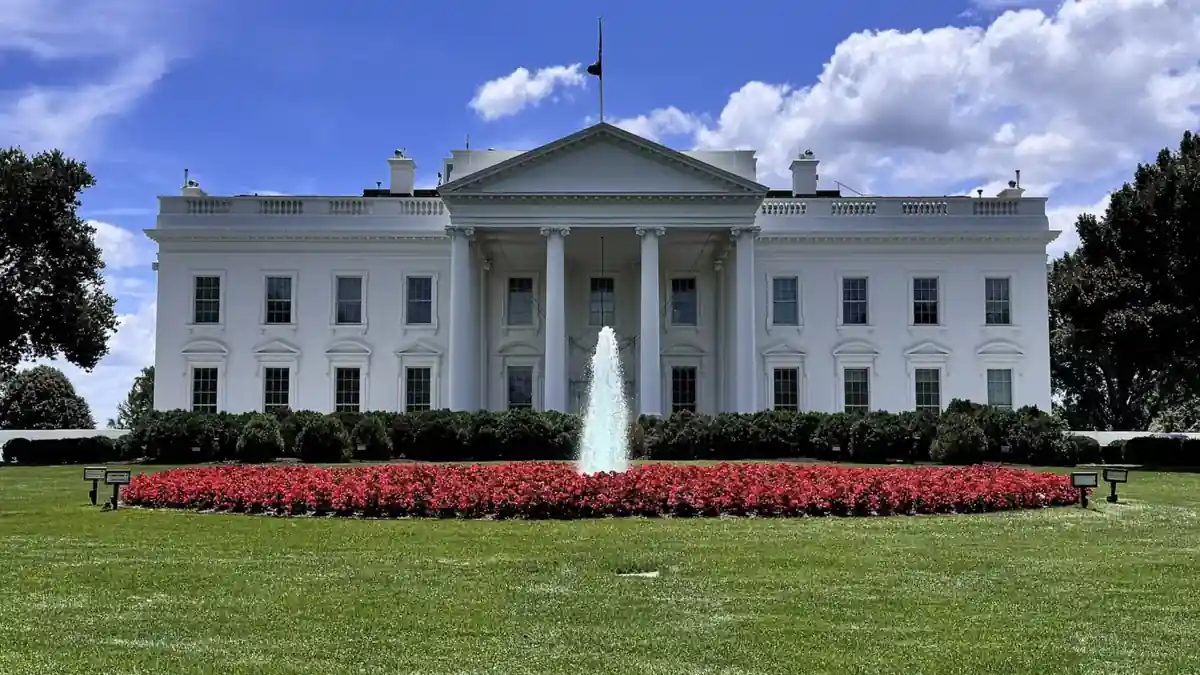
New information gathered by US agencies indicates that Iran is working on plans to strike senior members of the Trump administration in Washington with a “dirty bomb” or a chemical weapon. CNN reported it on Monday, November 16, citing seven US officials. The sources describe the Iranian planning, for now, as an attempt by Tehran to secure options rather than a sign of an imminent attack. Two of them, however, say the planning that was detected is very specific, with locations and targets, and has set US authorities moving on a series of contingency plans.
The White House did not confirm the threat. Its spokeswoman, Lauren Beis, said the United States “monitors every potential threat, but at this time there are no credible threats to the homeland”. The Pentagon referred questions to the Office of the Director of National Intelligence (ODNI), which declined to comment. A spokesperson for Iran’s mission to the UN in New York said Tehran regards the use of chemical weapons as “completely unacceptable under any circumstances” and categorically rejects the “false and fabricated claims”. The statement did not explicitly mention a dirty bomb.
Escalation under pressure
US officials read the intelligence as a sign that Tehran is willing to escalate as it comes under pressure from American strikes and the US blockade of Iran. “Whether they actually have the personnel in place to carry it out is up for debate,” one of the sources said. Officials have held several meetings over the past week to deal with the threat. Iranian threats had already led the Secret Service to move Treasury Secretary Scott Bessent to a military residence last week (our report).
Materials said to be hidden on US soil
One source says the agencies have intercepted Iranian conversations claiming that bomb-making materials have already been hidden on US soil. Officials are divided over how credible that information is, but consider it very easy, even likely, that nuclear materials or chemical agents have already been pre-positioned. Tehran would not necessarily need to send trained operatives, since it would be enough to persuade someone already living in the United States.
A dirty bomb combines radioactive material with a conventional explosive, and experts estimate that casualties would come mainly from the blast rather than from radiation. The hard part is obtaining the radioactive material.
Chemical weapons against US troops and a lapsed law
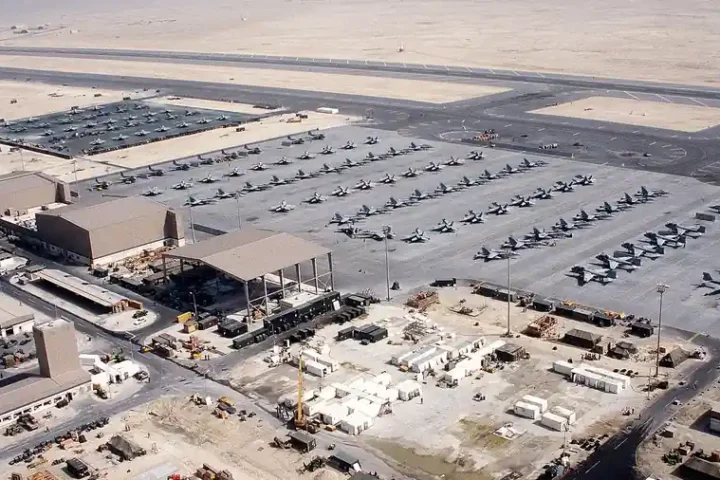
Separately, another stream of intelligence suggests Iran may use chemical weapons against US troops in the Middle East, something the New York Times had reported first. Several officials say the troops lack adequate protective equipment and training for such an attack. Early detection of a plot is complicated by the fact that a key law allowing the collection of foreign communications lapsed in June. Attorney General Todd Blanche, Director of National Intelligence Jay Clayton and CIA Director John Ratcliffe asked congressional leaders in a letter last week to renew it, warning that delay endangers the lives of Americans at home and of troops abroad.
One US official stressed that Iran knows it would face retaliation if it used such weapons, in the Middle East or in the United States. If the Iranian leadership concludes that the regime’s survival is at stake, however, it may judge the risk worth taking. A source in the region believes the coming weeks will be critical for a deal, and that hardliners or rogue elements of the regime who have benefited from the war could try to torpedo it with an attack. These claims come from anonymous sources and have not been confirmed by officials on the record.