Europe
Europe will send a joint team to the Ukraine negotiations: EU institutions and five countries – Costa: “We must all be in”
European Council President António Costa says Europe will take part in the next round of Ukraine talks with a joint team of EU institutions and the E5: the UK, France, Germany, Italy and Poland.

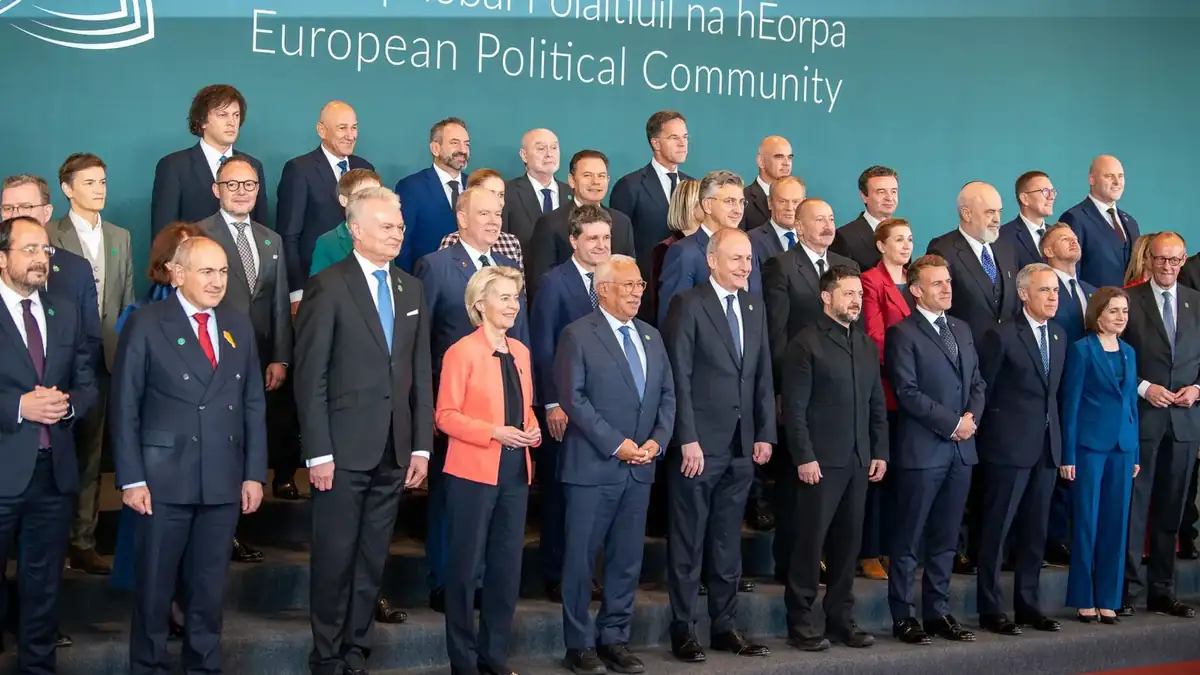
Europe will take part in the next round of negotiations on Ukraine with a joint team that will include the institutions of the European Union and five countries: the United Kingdom, France, Germany, Italy and Poland, known as the E5. The leaders’ decision was announced by European Council President António Costa on Friday, November 13, after the informal meeting of EU heads of state and government in Dublin.
“We fully support this process and hope it will bring concrete results,” Costa said, adding that the European negotiating team will consist of the EU institutions and the E5. “We must all be in. That is why it is necessary to have one team and speak with one voice,” he stated. Bloomberg, citing a senior European official, writes (via United24 Media) that the countries will be represented by their national security advisers.
A team instead of one envoy
Europeans had disagreed over whether to send a single representative, as Moscow demanded and Washington appeared to prefer, or a team. Italian Prime Minister Giorgia Meloni favoured one envoy. The team solution allows members of the “Coalition of the Willing,” such as Britain, which have committed to supporting a future ceasefire militarily, to take part. It was not clear who will represent the EU institutions. High Representative for Foreign Policy Kaja Kallas claimed the role: “I know the Russians do not want me, but do we get a say in who represents Russia?”
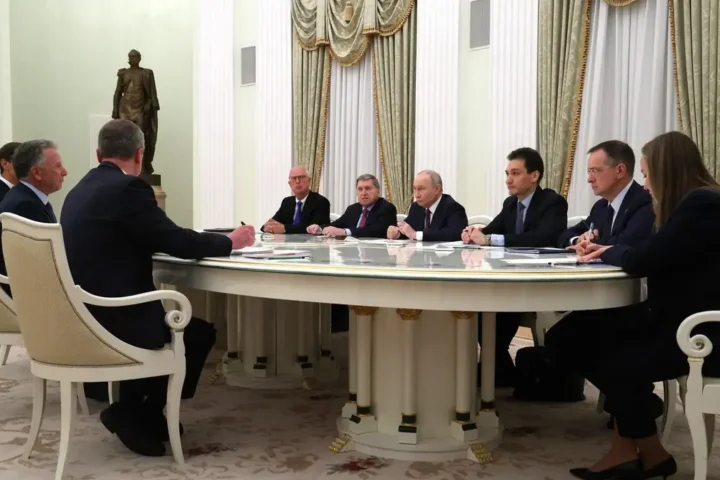
During the US-Russia-Ukraine talks in Abu Dhabi earlier this week (our report on the end of the trilateral talks), British, French and German officials took part in discussions nearby, but not in the main negotiations. After meeting Volodymyr Zelensky in Dublin on Thursday (our report), US envoy Jared Kushner said, as PBS reports, that the deal cannot be closed “without the Europeans at the table” and that Vladimir Putin “is willing to make an effort.”
Moscow and Europeans’ fears
Russia does not want Europeans in the direct negotiations, arguing that they finance and arm Ukraine’s war effort. Kremlin spokesman Dmitry Peskov said the Europeans “squabble like spiders in a jar” and must name one representative. European leaders fear Putin will press Trump for a settlement that would weaken not only Ukraine but also European security, as Moscow demands the withdrawal of NATO troops from its borders. Recent reports even speak of a Russian demand for Finland to leave NATO (our report). German Chancellor Friedrich Merz spoke of the fear of a new “Anchorage moment,” meaning the Trump-Putin summit in Alaska, held without Ukrainians and Europeans. Polish Prime Minister Donald Tusk said Europe will not build a “new security architecture” just because the Russian president, or someone in the US, wants it.