Europe
G7: Foreign ministers call on Iran to stop attacks on ships in Hormuz and insist on Hezbollah’s disarmament
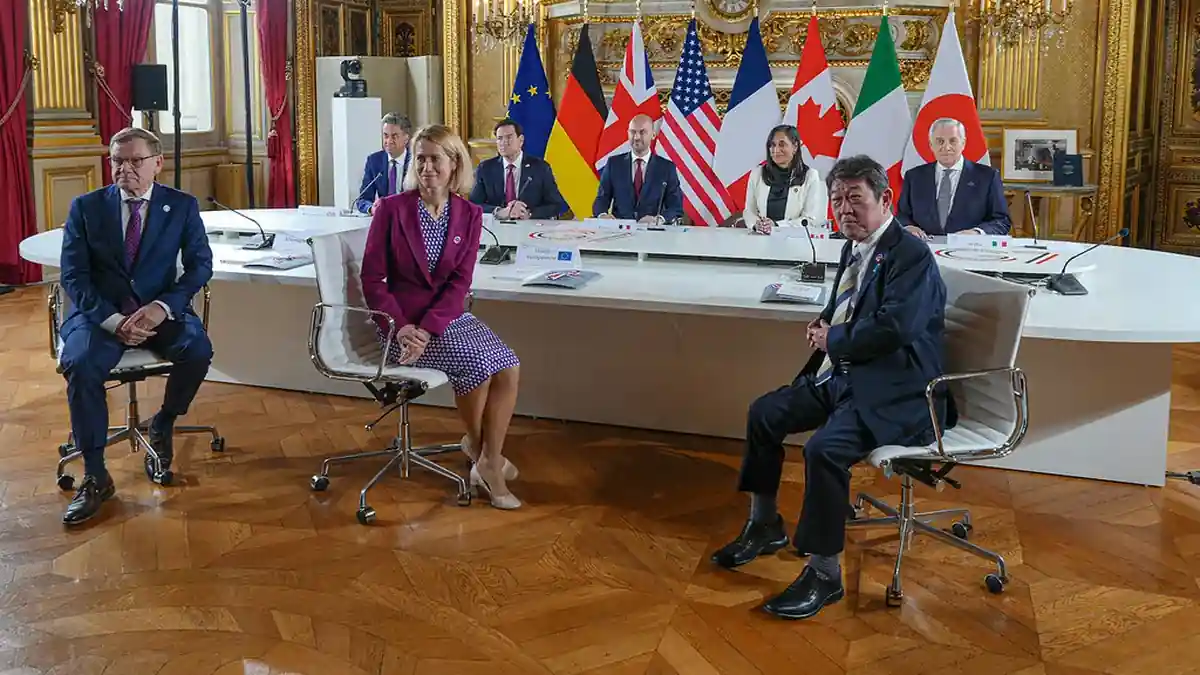
The G7 foreign ministers demand an end to Iran’s “persistent attacks” on civilian ships in the Strait of Hormuz and repeat that Hezbollah’s disarmament is “essential”, in the joint declaration after their Paris meeting of November 9–10.

The G7 foreign ministers are calling for an end to Iran’s “persistent attacks” on civilian ships in the Strait of Hormuz, while repeating that Hezbollah’s disarmament remains an “essential” condition for all weapons to pass under the control of the Lebanese state. These positions are in the joint declaration of the Seven, released on Wednesday, November 11, after the meeting of November 9 and 10 in Paris under the French presidency. The same text includes the reference to China’s moves east of Taiwan.
On Hormuz, the Seven “strongly” condemn Iranian attacks on neighbouring countries and the disruption caused to international trade, energy security and the global economy by the obstruction of passage. They commit to the right of safe and free passage and declare themselves opposed to any toll, fee, illegal charge, discrimination or other restriction on navigation through the Strait.
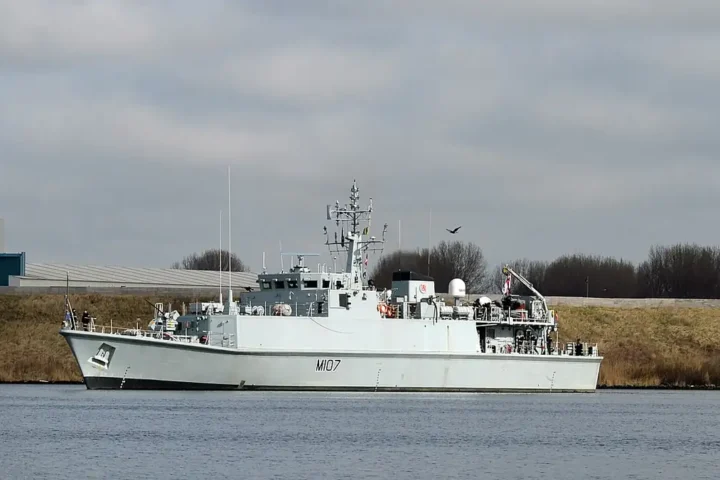
The declaration stresses the importance of the “defensive” activities of US Central Command (CENTCOM) for mine clearance and the escort of civilian ships. It also recognises that the multinational initiative led by France and the United Kingdom can play an important role in restarting navigation, including by supporting verification that all mines have been removed.
On the nuclear file, the ministers support the regional mediators and every diplomatic effort, make clear that Iran must never acquire a nuclear weapon and warn that, without a diplomatic solution, they will continue to coordinate to constrain the Iranian regime economically and politically. They call for a full return to cooperation with the International Atomic Energy Agency and for the implementation of the UN sanctions that returned in September 2025 through the snapback mechanism. They also express “serious concern” over Iranian plans for violence against their citizens and acknowledge the British attribution of responsibility to Iran for the incident of September 27 at RAF Fairford.
On Yemen, they condemn “in the strongest terms” the Houthi strikes inside the country and against Saudi Arabia, recognise Riyadh’s right to defend its security and call on everyone, Iran among them, to stop arming the Houthis. They also call for the immediate release of the 70 UN staff held by the movement. We covered the latest Houthi strike on Saudi territory earlier.
Lebanon: “pilot zones” and the gap after UNIFIL
On Lebanon, the G7 countries call for full observance of the ceasefire and support the Tripartite Framework and Security Council resolution 1701. The disarmament of all non-state armed groups, “starting with Hezbollah”, is described as essential. The Seven call on Lebanon and Israel to move ahead with the pilot zones, so that the organisation’s disarmament becomes complete and verifiable and the Israeli army is redeployed as the Lebanese Armed Forces deploy.
With UNIFIL’s mandate expiring at the end of the year, the ministers call for a “strong, credible and long-term” security architecture that will support the Lebanese army and welcome the establishment of the EU mission EUSM Lebanon. Finally, they call on the Lebanese to proceed with economic reforms aimed at an agreement with the IMF.