Africa
Hunger Hotspots report: FAO and WFP warn of famine risk in Sudan and South Sudan as conflict drives 12 of 16 hotspots
FAO and WFP say conflict is a primary driver of acute hunger in 12 of 16 hotspots, with a risk of famine in parts of Sudan and South Sudan and funding for the worst-hit places down 62 per cent since 2022.

The Food and Agriculture Organization (FAO) and the World Food Programme (WFP) said on 27 November that conflict and armed violence remain among the primary drivers of acute food insecurity in 12 of the 16 hunger hotspots named in their latest Hunger Hotspots report. The agencies also identified a risk of famine in parts of Sudan and South Sudan.
Five hotspots of highest concern
The report, issued twice a year through the Global Network Against Food Crises, covers the period from December 2026 to May 2027. The five hotspots of highest concern are Sudan, South Sudan, Somalia, parts of Nigeria and Yemen. All five are driven in part by conflict, and in four of them the latest analyses identified or projected people facing Catastrophe, Phase 5 of the Integrated Food Security Phase Classification (IPC), which is marked by starvation and death.
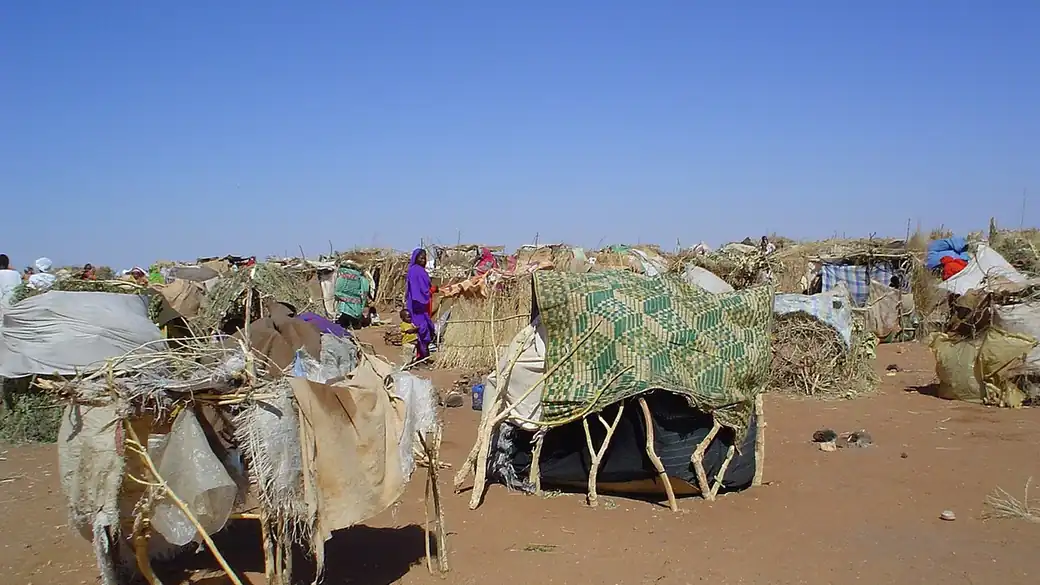
In Sudan, the agencies said that under a reasonable worst-case scenario there is a risk of famine in 13 areas of North Darfur and South Kordofan through January 2027. In two camps for displaced people in South Darfur, acute malnutrition levels have already exceeded famine thresholds. Geopolitiki has reported on the displacement of more than 383,000 people from Kordofan recorded by the International Organization for Migration. In South Sudan, the agencies pointed to a risk of famine in counties of Upper Nile and Jonglei states.
In Somalia, the risk of famine has receded and no population is currently projected to face Catastrophe, but acute food insecurity remains at Emergency (IPC Phase 4) levels among displaced people in Baidoa.
Gaza, Congo and Chad
Four further hotspots are classed as being of very high concern: Afghanistan, the Democratic Republic of the Congo, Haiti and Palestine. The agencies said food security in the Gaza Strip has started to improve after the October 2025 ceasefire, but that the gains are fragile, while acute food insecurity in the West Bank is expected to worsen. Chad is a new addition to the list because of the continued spillover effects of the conflict in neighbouring Sudan.
The list has grown from 13 hotspots in June to 16. Three of the four new entries, Southern Africa, the Central American Dry Corridor and north-eastern Uganda, are linked mainly to El Niño rather than to war. Lebanon is no longer on the list.
Funding and warnings
According to FAO and WFP, funding for humanitarian assistance for food security and nutrition in the five hotspots of highest concern fell by 62 per cent, from USD 5.1 billion in 2022 to USD 2.0 billion in 2025, although all five have repeatedly been at this level since 2022.
FAO Director-General QU Dongyu said: “Yet the worst outcomes are not inevitable.” WFP Executive Director Luke J. Lindberg said he has called on all nations to “banish famine to the history books”, adding that it will take a united effort to end conflicts, resource field teams and ensure safe access to vulnerable communities. The two agencies called for urgent humanitarian action across all 16 hotspots, above all where a risk of famine has been identified, and for safe, unimpeded access to people in need.
The findings were also summarised by UN News. Earlier Geopolitiki coverage of the crisis includes the IPC alert on famine risk in Darfur and Kordofan.