Middle East & North Africa
Iran’s Revolutionary Guards say they hit LPG tanker “NV Sunshine” south of the Strait of Hormuz
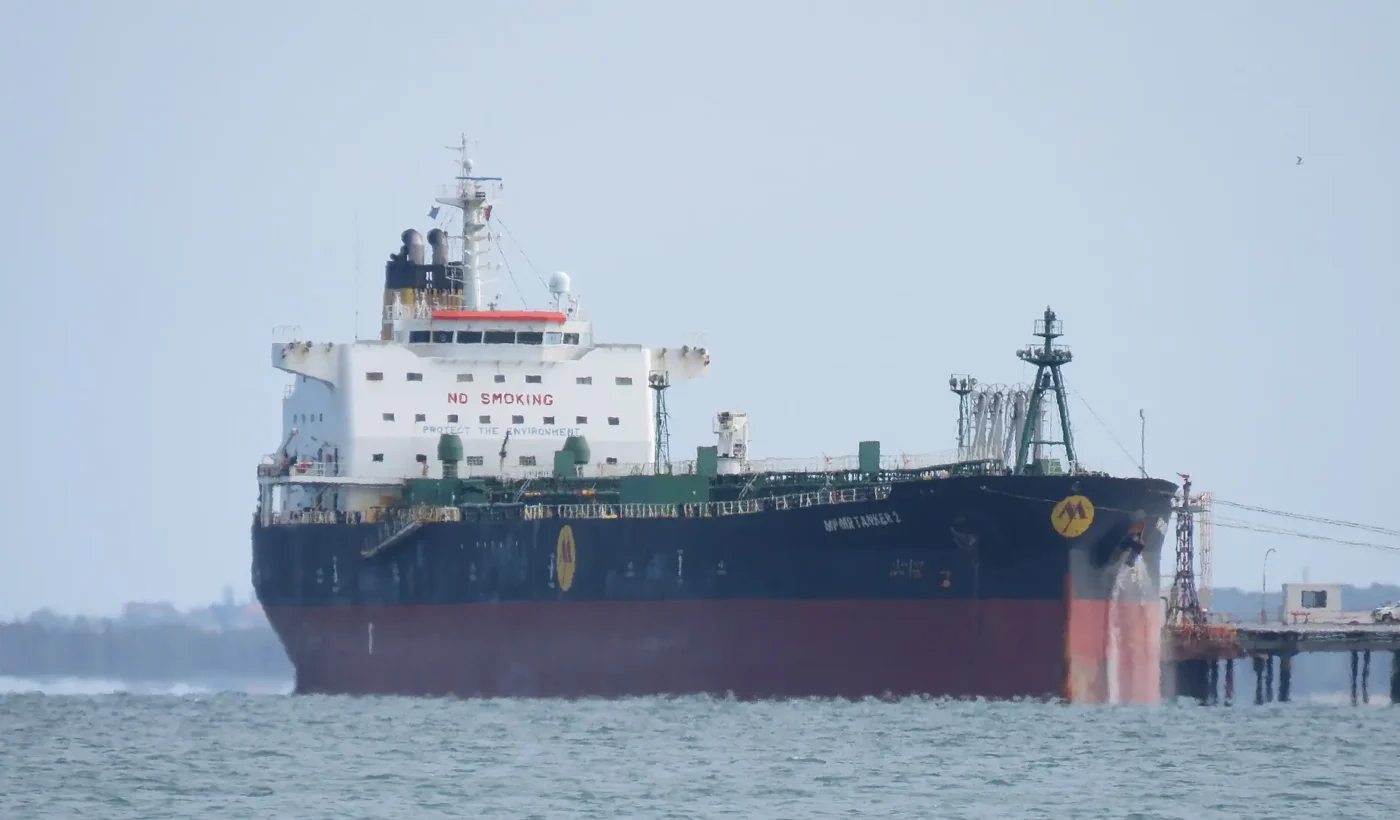
Iran’s Islamic Revolutionary Guard Corps announced on October 9 that it had struck a large LPG tanker, the NV Sunshine, as it tried to use the route south of the Strait of Hormuz, causing a fire in the engine room. There is no independent confirmation of the damage, the crew or the ship’s position.

Iran’s Islamic Revolutionary Guard Corps (IRGC) announced on Friday, October 9 that it had struck a large LPG tanker named “NV Sunshine”, which, according to the announcement, was trying to pass along the alternative route south of the Strait of Hormuz.
What the announcement says
According to the statement carried by Turkey’s Yeni Şafak, the ship was hit while using the alternative route south of the Strait and a “fire broke out in the engine room”. The Guards blame what they call the “aggressive” US military, which they say pressures and “deceives” insurance companies and shipowners and tries to push ships through the Strait with “bribes”.
The statement also contains a direct threat. If US “interference” with ships and insurers continues, the number of “bitter incidents” will grow day by day. From now on, the Guards say, any ship attempting a transit “without Iran’s approval” will be tracked across the region and “punished” even outside the Strait of Hormuz. There is no independent confirmation yet of the damage, the crew or the ship’s position.
The NV Sunshine
The NV Sunshine is a Vietnam-flagged LPG carrier. In May it crossed the Strait of Hormuz carrying 46,427 tons of LPG for India with 24 foreign crew members on board, according to India’s Ministry of Ports, Shipping and Waterways, as reported by IANS. The cargo was bound for New Mangalore, and the ship is reported to have loaded it at the Ruwais refinery in the UAE and to have switched off its transponder once it had passed the Strait.
A series of attacks since the start of October
The new strike follows a series of attacks on merchant ships in the area. The Joint Maritime Information Center (JMIC) recorded four confirmed attacks on tankers on October 2 and 3, while on October 4 an LPG tanker and a crude oil tanker were hit, as gCaptain reported. In one of the incidents a drone entered a ship’s funnel and fell into the engine room. JMIC describes the IRGC’s attacks, attempted attacks and harassment as “persistent”, involving drone overflights, targeted surveillance and VHF radio calls to merchant ships. In one case the master of a tanker about 11 nautical miles north of Khasab, Oman, was ordered to turn back or be targeted, and complied. Traffic through the Strait has fallen sharply and the US naval presence remains strong. On October 8 a tanker was hit by multiple projectiles north of Qatar.
Separately, Saudi civil aviation authorities said that two attacks on Thursday, October 8 hit Riyadh’s King Khalid International Airport, including a Saudia aircraft, and killed three Saudi citizens. A Saudia pilot was among the dead. The statement did not name those responsible, though the Houthis claimed to have targeted the airport with a ballistic missile, according to Fortune. Two earlier attacks on the Abha and Riyadh airports, on October 6 and 7, are covered in a separate Geopolitiki report.