Analysis
Analysis: Why Greece should seek domestic production of Anduril’s “budget friendly” 900 km Barracuda-500M missile
With Greece requesting new missiles from the US for its F-35As and F-16Vs, Athens should pursue co-production of Anduril’s Barracuda-500M to secure large munitions stocks for all three branches.

Following Greece’s request to buy new missiles from the United States for its F-35A and F-16V aircraft, Athens should seek cooperation with Anduril on domestic production of the Barracuda-500M. The aim is to secure large munitions loads for the Hellenic Air Force, the Navy and the Army, with a significant industrial benefit for local defence companies.
What the Barracuda-500M is
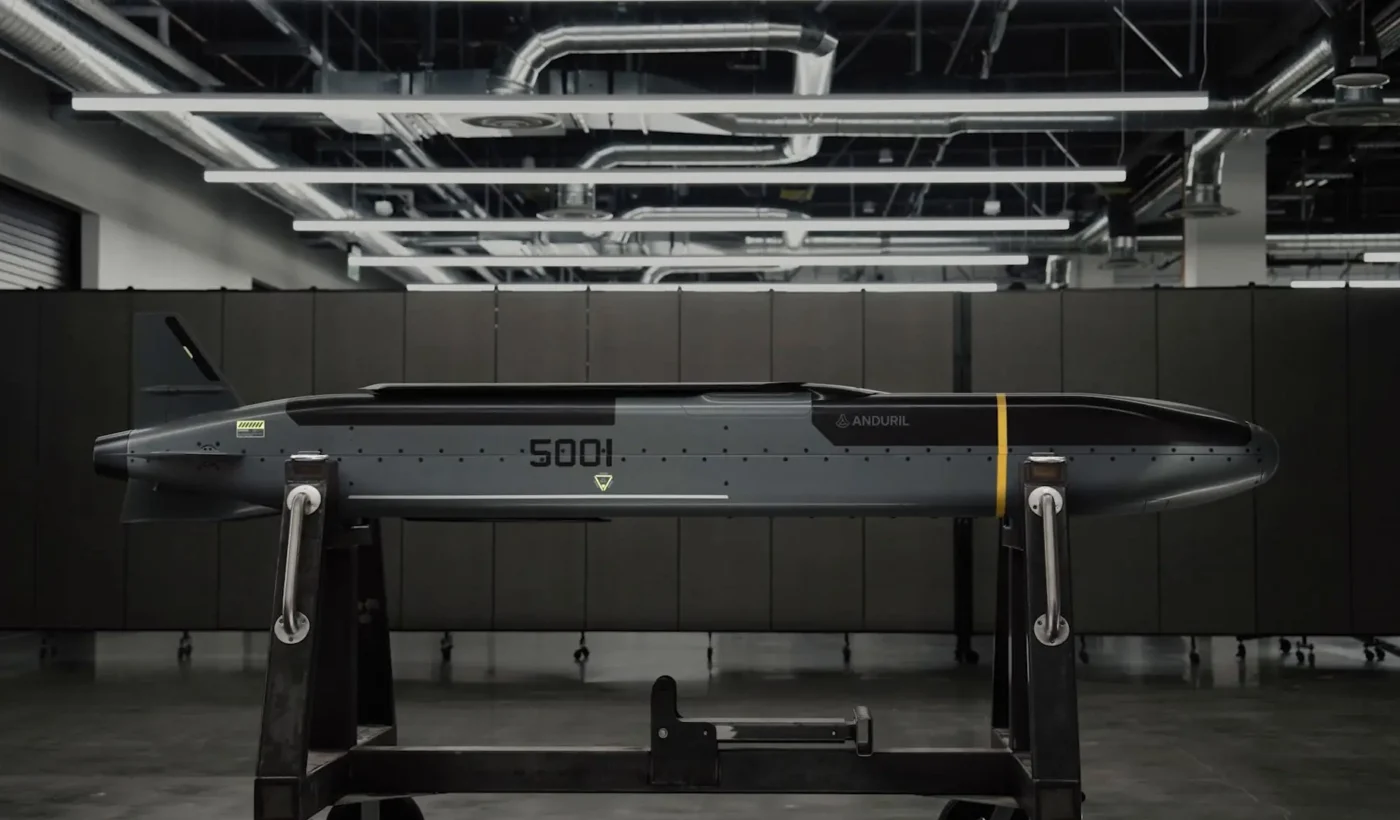
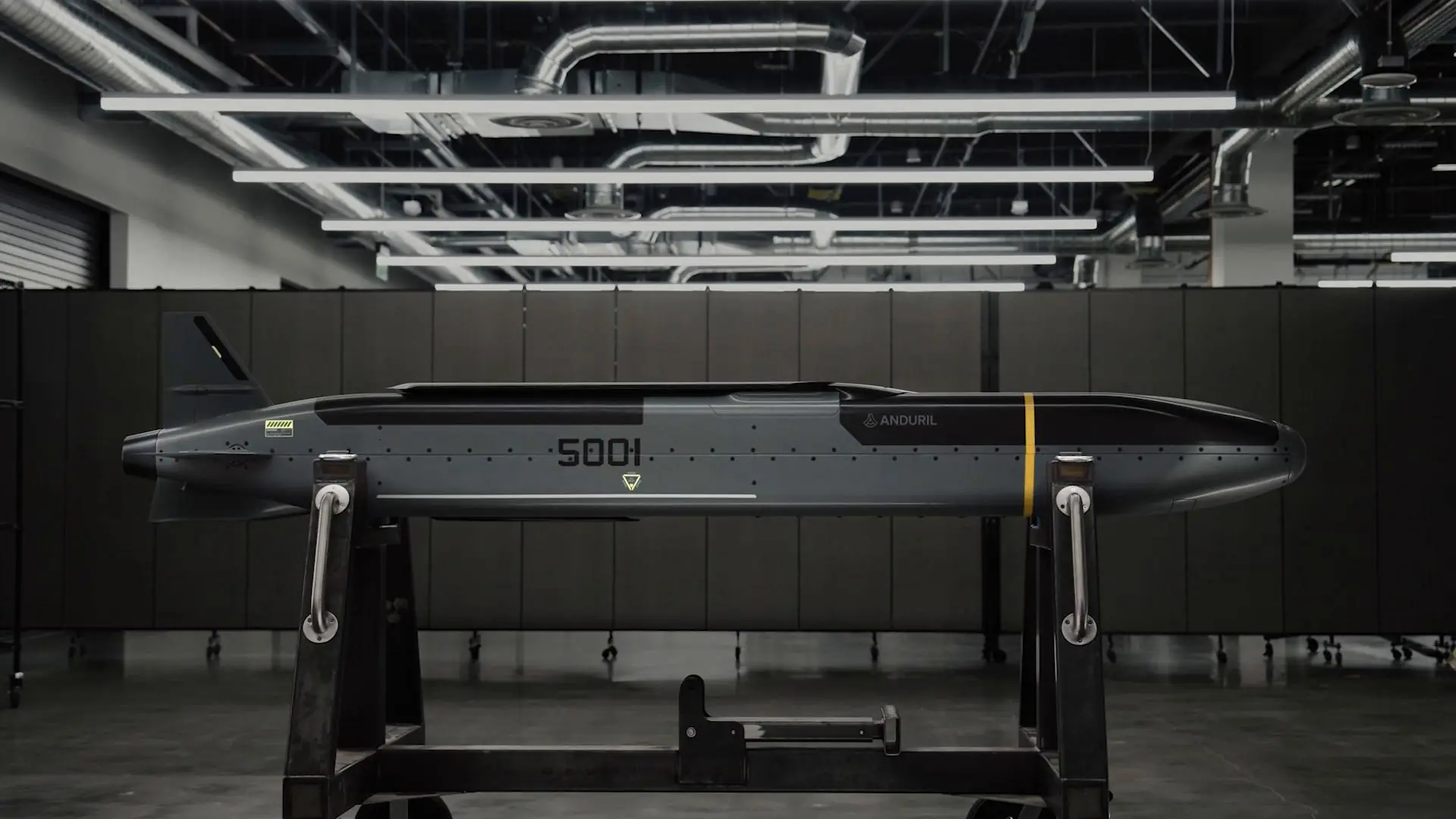
Barracuda is a family of autonomous air vehicles with an air-breathing engine, designed by Anduril for production in very large numbers and for use from land, air and naval platforms. The 500M version is a cruise missile with a range exceeding 900 kilometres and a payload of about 45 kilograms. Its main advantage is cost: about $200,000 per unit, far lower than conventional cruise missiles.
The Polish example
Poland has already moved in this direction. The state-owned Polska Grupa Zbrojeniowa (PGZ) and Anduril agreed in July 2026 to produce the Barracuda-500M at PGZ’s WZL-2 facility (military aviation works) in Bydgoszcz, on the basis of a memorandum of cooperation signed in October 2025. PGZ’s president spoke of producing and delivering “several thousand” low-cost, long-range cruise missiles, in a field that is entirely new for the Polish armed forces.
According to reports, the US will certify the missile on the new F-35A and on existing F-16s. The certification is not necessarily done for Poland alone and would benefit every country that operates these aircraft, such as Greece, which has upgraded F-16Vs and is awaiting the F-35A.
What Taiwan is doing
Taiwan is moving toward the same family of missiles from the ground side. According to reports, it is investing in ground launchers, and discussions on domestic co-production with Anduril follow the same logic: the same missile, many launch platforms.
Why it suits Greece
- Large workloads for industry. A missile produced in the thousands gives Greek defence industry steady work for years, instead of one small purchase from abroad.
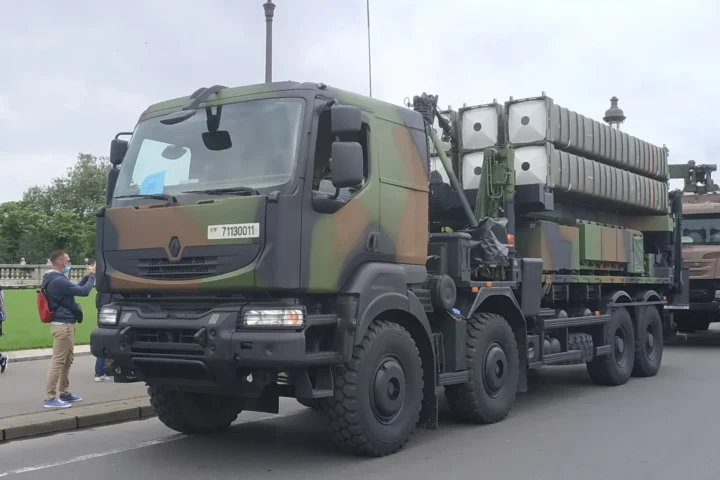
- One missile for three branches. The family is intended for launch from the air, from land and from the sea. The Air Force could use it from the F-16V and F-35A, the Artillery from truck-mounted launchers, and the Navy from the multi-role ships Ajax, Hercules and Atlas.
- Co-production, not a simple purchase. The goal of the Ministry of National Defence and the general staffs is for Greece to become a co-producer of defence technologies and not just a buyer.
- Stocks in large numbers. At a cost of around $200,000, the country can field missiles in numbers that are not feasible with far more expensive systems.
The approach would also complement the already known intention to buy American missiles (for example the JASSM-ER) without replacing it: the missiles Greece is requesting from the US remain necessary for the most demanding missions, while a cheap cruise missile would cover the large volume of strikes.
Anduril is already present in Greece through the Pyrpolitis unmanned surface vessel project.