Africa
Somalia faces a double crisis: Uganda begins pulling out and the Supreme Court declares the president’s term expired – the four bases near Mogadishu
Uganda says it has begun withdrawing its bilateral forces from Somalia, while the Supreme Court rules President Hassan Sheikh Mohamud’s term has expired and orders elections within 90 days.

Somalia is entering a double crisis. The army that bore the brunt of the fight against Al-Shabaab for two decades is beginning to leave, while the political leadership in Mogadishu is in open conflict with the Supreme Court over who lawfully governs the country.
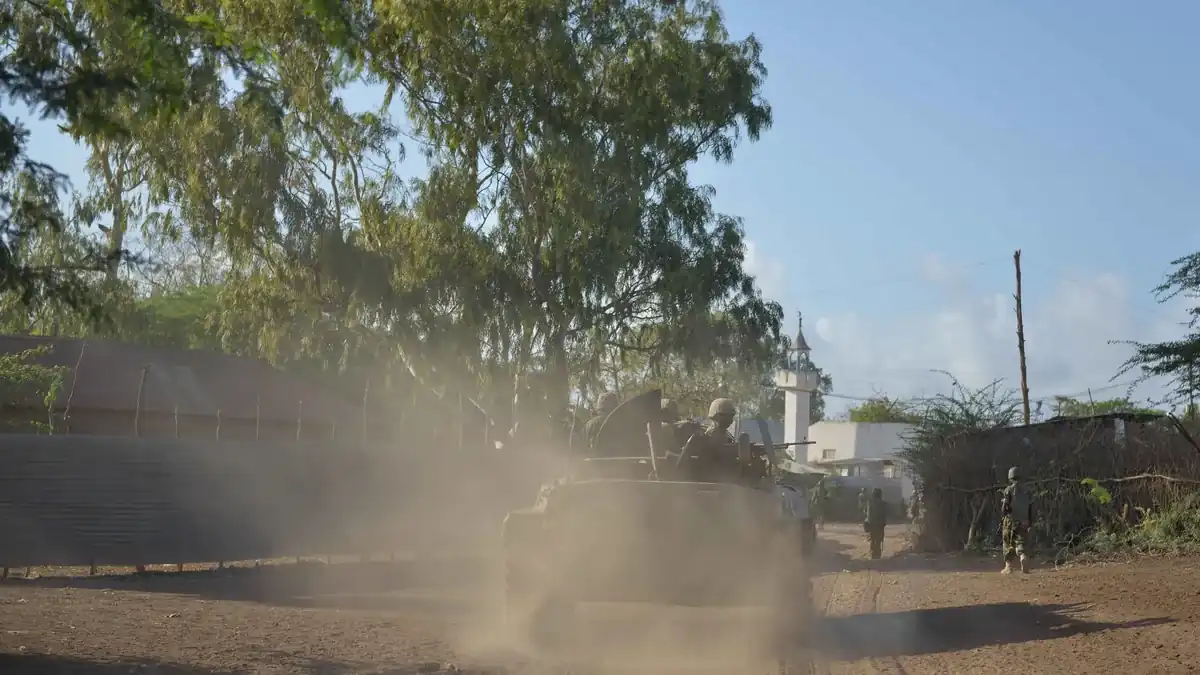
The Uganda People’s Defence Forces (UPDF) announced on Monday, November 2, that they had begun “with immediate effect” the withdrawal of forces in Somalia under a bilateral agreement with the federal government. In a written statement, Colonel Chris Magezi, deputy director of defence information, says the first contingent has already returned to Uganda and the withdrawal of the bilateral-agreement forces will be completed within a few days. By the end of 2027 the Ugandans of the African Union mission AUSSOM will also be phased out, so that, according to Kampala, Somali forces take over security “fully.”
Uganda was the first country to send troops to the African mission, in 2007. It is estimated to keep about 2,000 soldiers under the bilateral agreement and some 4,500 in AUSSOM, where it makes up about 40% of the force. In a letter of October 31, the African Union said it plans to take over four positions in Lower Shabelle during November, with unit rotations: Sabiid-Anole, Bariire, Awdheegle and Bulo Nagaad. The area is considered critical for protecting the capital.
The withdrawal comes as funding for the mission narrows. The US said in July it would not support extending the UN support mission (UNSOS) after the end of 2026. Al-Shabaab still controls large rural areas, and in late October an ambush in the Bay region killed at least 20 Somali soldiers, according to a surviving officer, while the government admitted only damage to military vehicles. The head of the Somali army, Maj. Gen. Ibrahim Mohamed Mohamud, thanked the Ugandans at the headquarters of the Somali army’s 8th Brigade in Embreso, in the Baraawe area: “Your legacy will remain and we will remember it forever.”
The court clash in Mogadishu
On Thursday, November 5, the Supreme Court ruled, in a five-page decision, that the extension of terms from four to five years, voted by Parliament, does not apply to those already in office. President Hassan Sheikh Mohamud’s term was judged expired and elections must be held within 90 days. Political leaders have 30 days to agree an election plan, while the government is limited to handling current affairs. The appeal had been filed by former president Sharif Sheikh Ahmed.
A day earlier the president had removed the chief justice, Base Yusuf Ahmed, and appointed Ibrahim Idle Suleiman. The court rejected the removal. On Saturday, November 7, the new court president was sworn in in the presence of Hassan Sheikh. The opposition denounces a deployment of soldiers around the court.
Puntland and Jubaland contest the president’s constitutional and electoral changes; he wants direct elections in place of the system in which clan representatives choose the lawmakers. The UN political mission closed a few days before the ruling and there is no agreed mediator. Ankara is moving into that gap, after the deployment of Turkish F-16s to Somalia and their first flight over Mogadishu, in a country where security and the legitimacy of power are now being decided at the same time.