Politics & Diplomacy
South Korea summons Ukraine envoy over disclosure of North Korean prisoner transfer
Seoul summoned Ukraine’s acting ambassador and demanded an apology over the disclosure that two captured North Korean soldiers had been transferred to South Korea.

South Korea summoned Ukraine’s acting ambassador on Monday, September 28, escalating a diplomatic dispute over Kyiv’s public disclosure that two North Korean soldiers captured in the war had been transferred to Seoul.
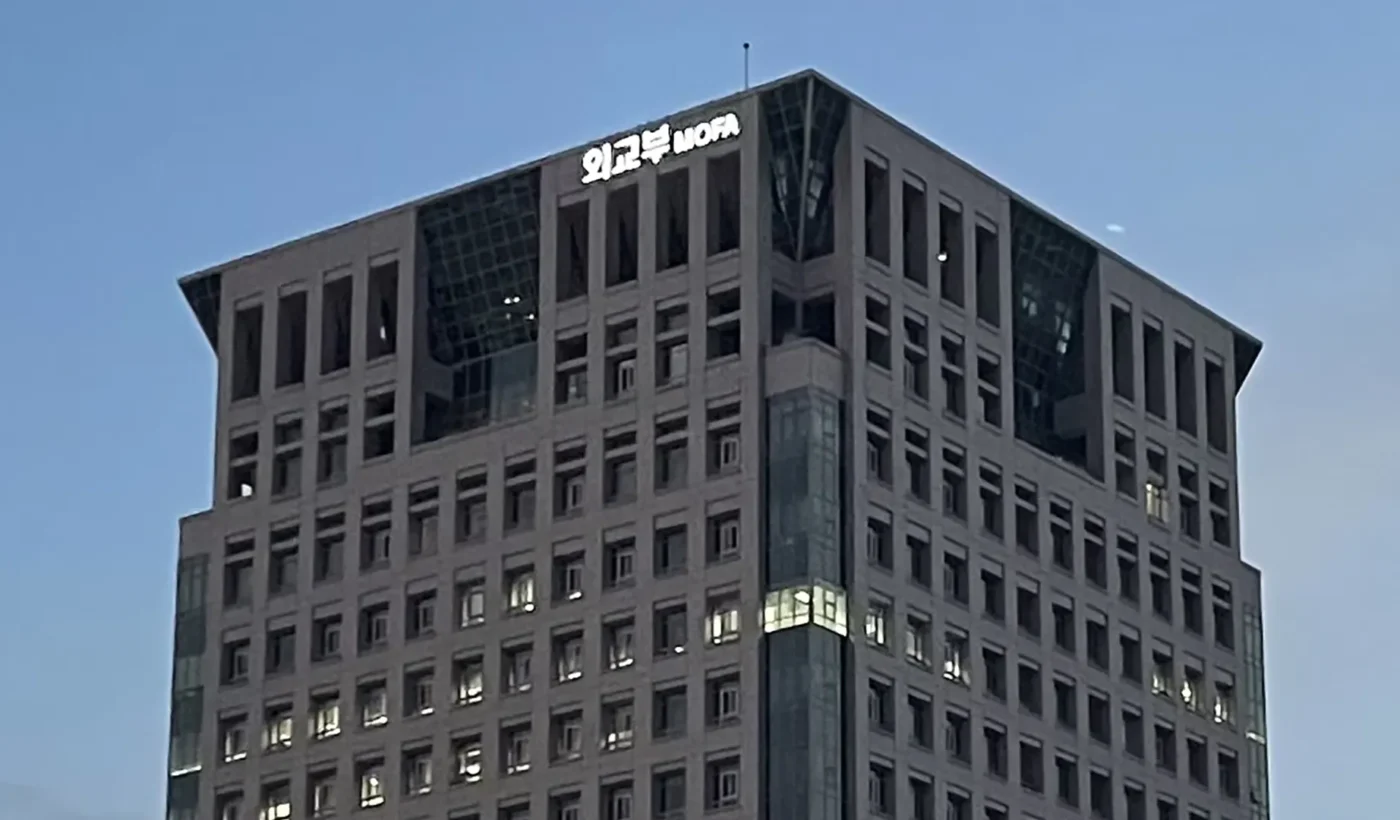
First Vice Foreign Minister Park Yoon-joo called in Andrii Vieshkin and requested an official explanation and apology. The foreign ministry said it had agreed with Ukraine to keep the transfer confidential, a claim that Ukraine’s presidential office has disputed. Seoul also objected to the Ukrainian office’s denial that such an agreement existed.
The dispute followed President Volodymyr Zelenskyy’s address to the United Nations General Assembly last week. He said Ukraine had recently sent two captured North Korean soldiers to the Republic of Korea. The disclosure publicly confirmed a sensitive transfer that Seoul had previously declined to detail, citing the men’s safety and the protection of their families.
Competing accounts of confidentiality
South Korea’s presidential office demanded an explanation and apology on Sunday. Its foreign ministry then made a formal protest to Vieshkin on Monday. Seoul says the two governments had a clear understanding that the matter would remain confidential; Ukraine has denied that a confidentiality agreement was in place. The disagreement concerns the handling of the announcement, rather than a public denial by either side that the transfer occurred.
South Korean reporting said Vieshkin listened to the ministry’s position and would convey it to Kyiv. Ukrainian authorities had not issued a further public response to Monday’s summons when the ministry’s account was reported. The two governments had already held direct talks about the prisoners, according to Ukraine’s presidential office.
The men were captured by Ukrainian forces in January 2025 after North Korean troops were deployed to Russia’s Kursk region. Zelenskyy described their transfer during his UN address, while South Korean officials said they could not disclose the route or timing. A South Korean foreign ministry official said decisions concerning the men should respect their wishes and follow international law and humanitarian principles.
A sensitive issue in inter-Korean relations
The transfer intersects with Seoul’s position on North Korean defectors and with the wider military relationship between Pyongyang and Moscow. South Korean and Ukrainian officials have said North Korean personnel were deployed to support Russia’s war. Seoul has also sought to reopen dialogue with North Korea, making the prisoners’ identities and circumstances politically sensitive.
At a July meeting on the sidelines of a NATO summit, South Korean President Lee Jae Myung and Zelenskyy agreed that any handling of North Korean soldiers captured by Ukraine should be based on humanitarian grounds and the individuals’ wishes, South Korean officials said. A South Korean opposition lawmaker later said the two prisoners had arrived via a third country, but officials did not confirm the route.
Monday’s summons left the confidentiality dispute unresolved. Seoul has asked Kyiv for an explanation and assurances against a repeat disclosure, while the Ukrainian side has maintained that it had not broken a secrecy agreement.