Politics & Diplomacy
Ukraine sanctions 70 officials in Iskander-M and Zircon missile production: Vlasiuk, “The responsibility is personal”
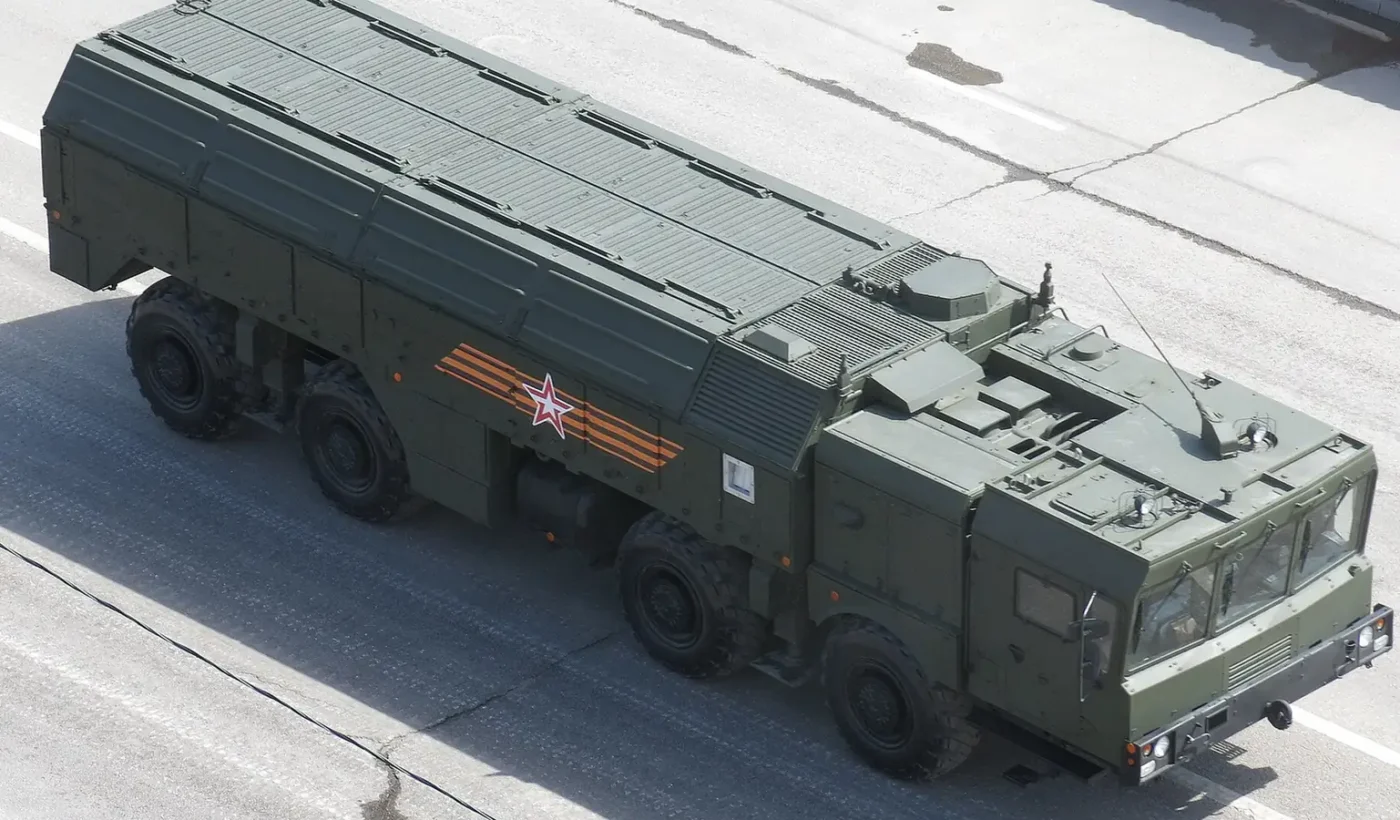
On Sunday, October 11, Ukraine imposed new sanctions targeting Russian ballistic missile production, sanctions evasion and collaborators in the occupied territories. The first list names 70 Russians involved in making the Iskander-M and Zircon missiles.

Ukraine imposed new sanctions on Sunday, October 11, aimed at Russian ballistic missile production, at people who help Russia get around financial sanctions, and at people acting for Russia in the occupied territories. According to the announcement from the Office of the President of Ukraine, the first list names 70 Russians who take part in producing the Iskander-M and Zircon missiles.
A week of Russian attacks
The announcement says that in the past week alone Russia killed 153 people and wounded 723 in Ukraine. Apartment blocks, businesses, medical facilities, schools, kindergartens and universities were destroyed or damaged, and the strikes also hit Ukraine’s energy infrastructure. In these “terrorist attacks”, it says, Russia used about 1,450 guided bombs, more than 1,640 attack drones and 75 missiles of various types, including ballistic missiles.
In response, Kyiv is now targeting not only the companies but also the people who keep the production cycle running: staff at the Votkinsk plant, at the V. V. Bakhirev Research Institute of Mechanical Engineering, at Radar MMS, Granit-Electron, Anozit, Aviatek, Metafrax Chemicals, Altai, Nevinnomyssky Azot, Azot, Salyut, Strela, VNIIr-Progress, Mashinostroitel and Avangard, at the Sverdlov and Morozov plants, at the Voskresensk plant, and at the Polyus and Submikron institutes. All of these enterprises are already under Ukrainian sanctions and, in some cases, under sanctions from the United States, the EU, Britain, Switzerland, Australia, Japan, Canada and New Zealand.
Vlasiuk: the engineers are on the list
Vladyslav Vlasiuk, adviser to the president and commissioner for sanctions policy, noted that the companies making the Iskander and the Zircon have long been under sanctions, but that the missiles are assembled by specific people: engineers, production engineers and managers. “Now we are adding them to the list as well: 70 key figures in the missile supply chain, from the chemical plants that supply fuel and explosive components to the assembly shops in Votkinsk. Anyone who builds missiles that hit Ukrainian cities must understand that responsibility is personal,” he said.
Crypto exchanges and the A7 network
Sanctions were also imposed on 28 individuals and 27 legal entities that help Russia evade financial sanctions, among them operators of cryptocurrency exchanges and their owners, as well as executives of companies in the A7 shadow-banking network, which the United States had already sanctioned. Kyiv says it will work with its partners to synchronise the sanctions.
The new sanctions follow a week of deadly strikes on Zaporizhzhia and missile attacks on Kyiv (see our report on the Zaporizhzhia strike), and came on the day Donald Trump announced an “energy ceasefire” between Russia and Ukraine.