Europe
UNHCR: “No safe place in Ukraine” as long-range strikes hit energy supply and aid operations ahead of winter
UNHCR said on 27 October that rising long-range missile and drone strikes leave no safe place in Ukraine, with energy sites targeted and aid operations also affected.

The UN refugee agency UNHCR said on 27 October that the growing number of long-range missile and drone strikes means civilians are no longer safe anywhere in Ukraine, as humanitarian needs rise ahead of another cold winter.
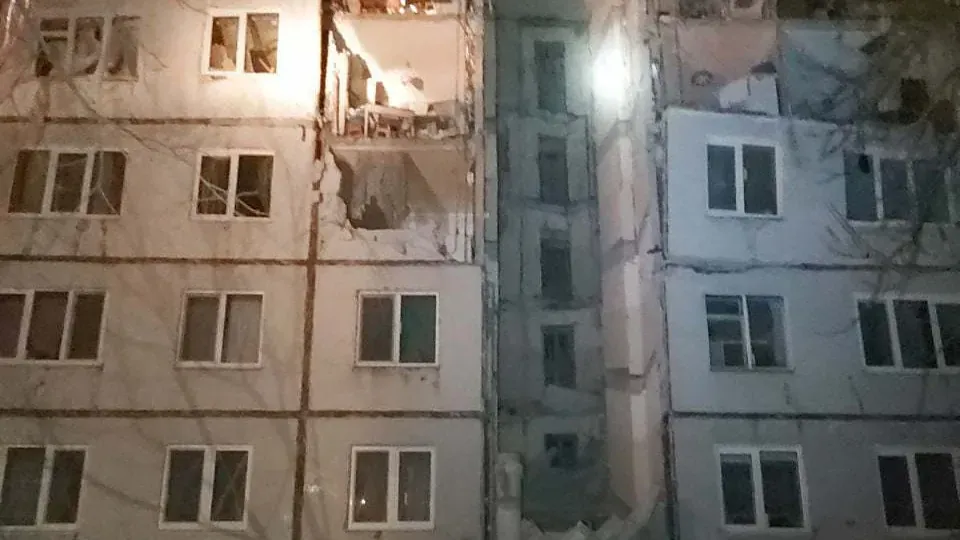
UN News reported that UNHCR described the attacks as “relentless” and said they target critical energy infrastructure, leaving millions of people without heating and electricity and with limited access to water and other essentials.
“The increase in long-range missile and drone strikes means there is no safe place in Ukraine,” said Philippe Leclerc of UNHCR, who added that humanitarian operations have also come under attack.
Aid operations hit
According to UNHCR, several security incidents between September and mid-October affected the agency’s personnel and its partners, aid facilities or clearly marked vehicles used in relief work.
Displacement and refugees
UNHCR said displacement inside Ukraine is expected to continue as evacuations from frontline areas increase. Nearly 5.2 million Ukrainian civilians continue to live across Europe as refugees, the agency said.
What the attacks are doing to energy supply
The warning comes as a UN-backed investigation into attacks on Ukraine’s energy system was the subject of our earlier report, UN inquiry says Russia committed war crimes by attacking Ukraine’s power and heating, and trafficked men from 29 countries into its army. Ukraine’s air force and the president’s office have reported further large combined strikes this week; our report Zelensky: Patriot and NASAMS delays “directly assist” Russia, as Kyiv reports 16 ballistic missiles and 280 drones overnight; those figures are Ukrainian claims.
UNHCR’s message, as relayed by UN News, was a call for continued international support for the people of Ukraine, both those inside the country and those who have fled abroad, as winter approaches. The agency’s statement describes the effect of the strikes on civilians and aid workers; it does not assign responsibility for individual incidents in the passages published by UN News.
Background and sourcing
The figures and quotations above come from UN News’ report of UNHCR’s statement of 27 October 2026. UNHCR’s own briefing note could not be opened from our systems, so details beyond the UN News summary, such as exact counts of incidents or funding totals, are left out.