
Analysis
UN resolutions on Cyprus explained: what 353, 541 and 550 demand
The UN Security Council demanded an end to Turkey’s intervention in Cyprus in 1974 and declared the 1983 secession invalid. What each resolution says.

The United Nations Security Council has repeatedly told Turkey to end its military intervention in the Republic of Cyprus and to withdraw its declaration of a separate state in the occupied north. Four resolutions carry the core of that position: 353 (1974), 360 (1974), 541 (1983) and 550 (1984). Turkey has not implemented them.
Key points
- Resolution 353 of 20 July 1974 demanded an immediate end to foreign military intervention in the Republic of Cyprus.
- Resolution 360 of 16 August 1974 recorded the Council’s formal disapproval of the “unilateral military actions” against the Republic.
- Resolution 541 of 18 November 1983 declared the proclamation of a separate state in the north legally invalid; resolution 550 of 1984 condemned further secessionist acts and called Varosha settlement inadmissible.
- In 2001 and 2014 the European Court of Human Rights found Turkey responsible for continuing violations in northern Cyprus and ordered it to pay €90 million for missing persons and enclaved Greek Cypriots.
What did Resolution 353 demand in July 1974?
The Security Council adopted Resolution 353 on 20 July 1974, the day of the Turkish landings, after hearing the President of the Republic of Cyprus, Archbishop Makarios. It called on all States to respect the sovereignty, independence and territorial integrity of Cyprus, called on all parties to cease firing, and demanded “an immediate end to foreign military intervention in the Republic of Cyprus”.
It also asked for the withdrawal without delay of foreign military personnel present otherwise than under international agreements, including those whose withdrawal Makarios had requested in his letter of 2 July 1974, and called on Greece, Turkey and the United Kingdom to open negotiations. The preamble spoke of the need to restore the constitutional structure of the Republic of Cyprus, “established and guaranteed by international agreements”. Ankara’s claim to a unilateral right of action under the Treaty of Guarantee is examined in our explainer Treaty of Guarantee explained: what Article IV allows and what it bans.
Resolution 360: the second offensive
Resolution 360, dated 16 August 1974, recalls Resolution 353 and four further resolutions adopted that summer. It expressed grave concern at “further military operations”, which it described as a most serious threat to peace and security in the Eastern Mediterranean. In its first operative paragraph it recorded its “formal disapproval of the unilateral military actions undertaken against the Republic of Cyprus”. It urged the parties to comply with the earlier resolutions, including the withdrawal of foreign military personnel, and to resume the negotiations called for in 353.

Resolutions 541 and 550: no recognition of a separate state
On 15 November 1983 the Turkish Cypriot authorities declared a separate state in the occupied north. Three days later the Council adopted Resolution 541. It noted that the declaration was incompatible with the 1960 Treaty concerning the establishment of the Republic of Cyprus and with the 1960 Treaty of Guarantee, deplored what it called the “purported secession of part of the Republic of Cyprus”, and considered the declaration legally invalid, calling for its withdrawal. It also called on all States “not to recognize any Cypriot State other than the Republic of Cyprus”.
Six months later the Council had to return to the matter. Resolution 550 of 11 May 1984 opened by deeply regretting the non-implementation of 541. It condemned “all secessionist actions”, including the exchange of ambassadors between Turkey and the Turkish Cypriot leadership, declared them illegal and invalid and called for their immediate withdrawal. It repeated the call on all States not to recognize the entity and not to facilitate or assist it, and it described attempts to settle any part of Varosha by people other than its inhabitants as inadmissible, calling for that area to be transferred to United Nations administration.
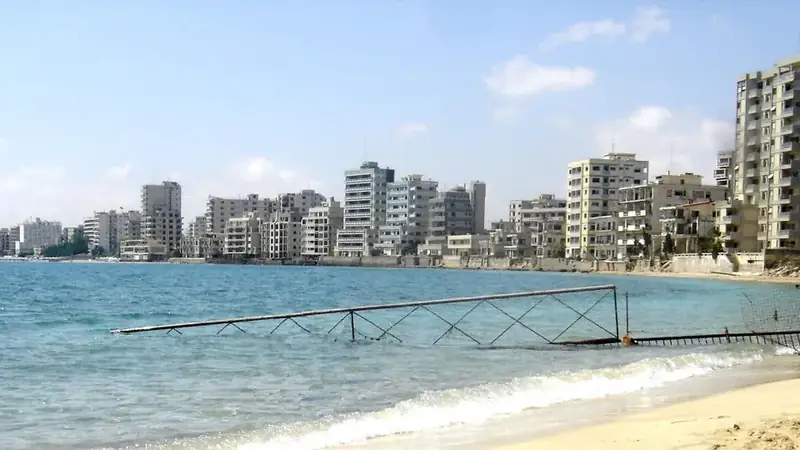
The fate of Varosha is covered in Varosha explained: the fenced-off Famagusta quarter and the UN.
The four resolutions at a glance
| Resolution | Date | Core demand |
|---|---|---|
| 353 | 20 July 1974 | End of foreign military intervention; withdrawal of foreign personnel; negotiations |
| 360 | 16 August 1974 | Formal disapproval of unilateral military actions against the Republic of Cyprus |
| 541 | 18 November 1983 | Declaration of a separate state legally invalid; no recognition of any Cypriot State other than the Republic |
| 550 | 11 May 1984 | Secessionist acts illegal and invalid; Varosha settlement inadmissible; transfer to UN administration |
What did the European Court of Human Rights add?
The Security Council resolutions are political and legal instruments of the United Nations. The European Court of Human Rights has addressed the consequences for individuals. In its Grand Chamber judgment of 10 May 2001 in Cyprus v. Turkey, it found numerous violations of the Convention by Turkey arising from its 1974 military operations in northern Cyprus, the continuing division of the island and the activities of the entity in the north. On 12 May 2014 the Grand Chamber, in its judgment on just satisfaction, ordered Turkey to pay €30 million for the non-pecuniary damage suffered by the relatives of missing persons and €60 million for that of the enclaved Greek Cypriot residents of the Karpas peninsula, to be distributed to individual victims under the supervision of the Committee of Ministers.
The Court also recalled its finding of a continuing violation of the right to property, because Greek Cypriot owners in the north were denied access to, and use and enjoyment of, their property, and received no compensation. It added that the findings of the principal judgment were binding and, in 2014, had not yet been complied with, and that compliance was not consistent with any complicity in the unlawful sale or exploitation of Greek Cypriot homes and property in the north. For the missing persons, see Missing persons in Cyprus explained: CMP figures and ECHR rulings.
Why does it still matter?
These texts are the legal baseline for every later attempt at a settlement. They define the Republic of Cyprus as the only Cypriot State, the north as an occupied part of it, and the 1983 declaration as invalid. Both 541 and 550 also back the Secretary-General’s mission of good offices, and any settlement plan, such as the 2004 plan covered in Annan Plan explained: the 2004 Cyprus referendum has to be read against them. Resolution 550 itself recorded in 1984 that its predecessor had not been implemented. The European Court said the same of its own judgment thirty years later.
Sources
United Nations Security Council, Resolution 353 (1974) and Resolution 541 (1983), with the texts of resolutions 360 (1974) and 550 (1984) as published in the Council’s official resolutions volumes; European Court of Human Rights, press release on the Grand Chamber just satisfaction judgment in Cyprus v. Turkey, 12 May 2014.