Economy & Energy
Global shipping faces zero growth in 2026 as four chokepoints come under pressure, UNCTAD says
UNCTAD projects flat seaborne trade in 2026 as Hormuz, the Red Sea and Suez, the Black Sea and the Panama Canal are all disrupted, with small islands and least developed countries hit hardest.

Global seaborne trade is set to stand still in 2026, the UN trade body UNCTAD said in its annual maritime review, as four of the world’s critical shipping routes came under pressure at the same time: the Strait of Hormuz, the Red Sea and Suez Canal corridor, the Black Sea and the Panama Canal. The findings are in the Review of Maritime Transport 2026, which UN News reported on 26 November.
According to the report’s overview, shipped volumes reached 12.3 billion tons in 2025, but growth slowed to 1.9 per cent from 3.9 per cent in 2024. UNCTAD projects flat volumes (0 per cent) in 2026 and a recovery to 3.2 per cent in 2027. Containerised trade is expected to grow by 3.3 per cent this year.
Hormuz: traffic down about 95 per cent
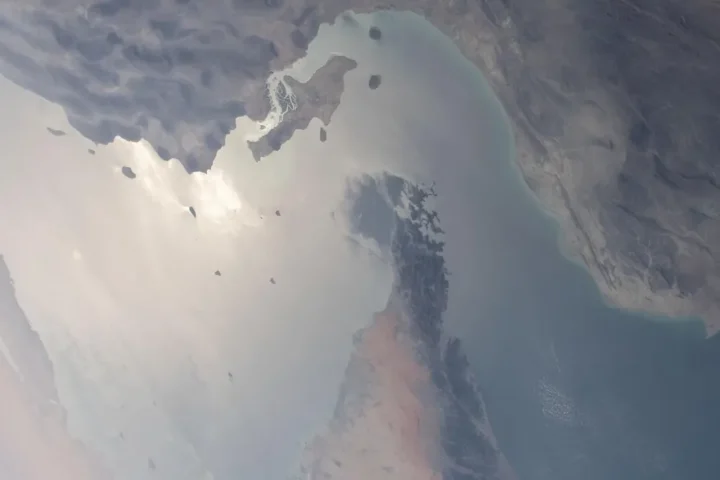
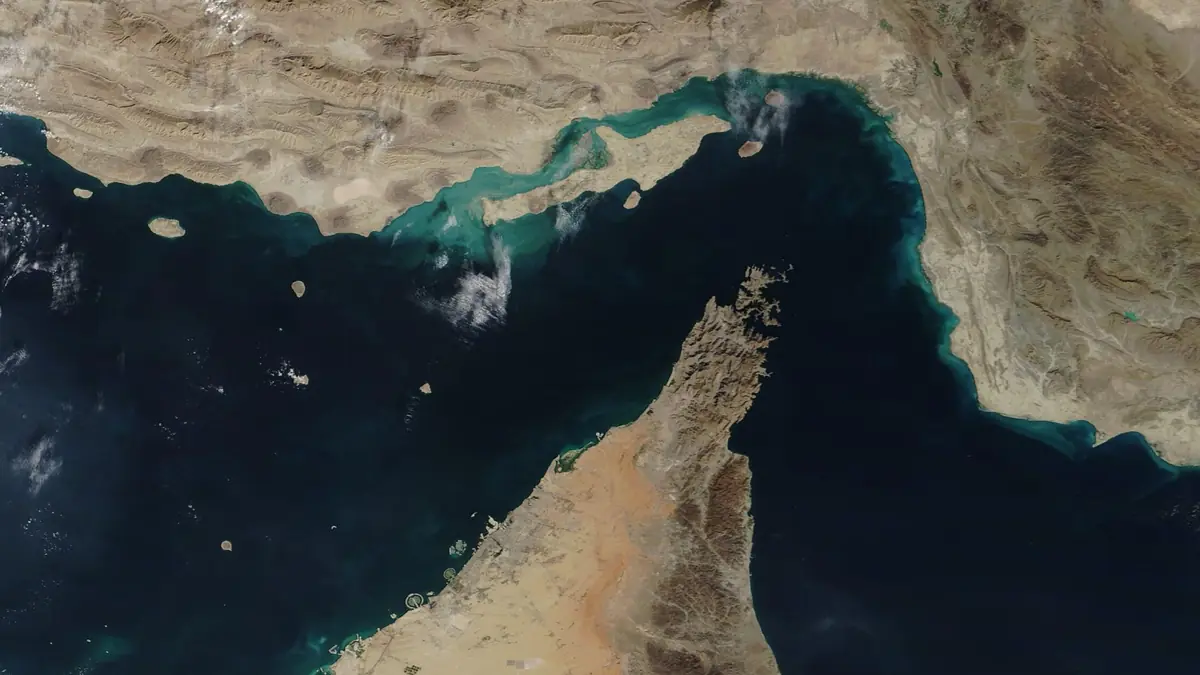
UNCTAD describes the Strait of Hormuz as a corridor for about 20 per cent of the global oil supply. It says traffic nearly came to a halt after the conflict affecting the Middle East erupted on 28 February 2026: around 120 ships crossed daily before the conflict, and the figure fell by around 95 per cent in early March. It has stayed significantly below normal levels through September 2026, the report says.
The report estimates that around 3,200 ships, about 4 per cent of global gross tonnage, were inside the Persian Gulf area in early March. The International Maritime Organization initially reported more than 20,000 stranded seafarers, and thousands were still unable to leave as of July 2026. UNCTAD notes that the IMO evacuation plan for stranded seafarers remained suspended as of late September.
The review also records the Islamabad Memorandum of Understanding signed in June 2026, which set a 60-day negotiation period and included provisions to restore maritime activity across the Strait. Traffic began to recover, but the situation reversed in July as the conflict resumed. UNCTAD says a sustained return of shipping would need credible assurances of safe passage, protection of seafarers and freedom of navigation, and it records the shipping industry’s call on the UN and the IMO to prevent charges on ships for crossing the Strait and to preserve freedom of navigation under the UN Convention on the Law of the Sea (UNCLOS). Recent incidents there are covered in our report Iran’s Revolutionary Guards say two more tankers hit mines in the Strait of Hormuz.
Red Sea, Black Sea and Panama
In the Red Sea and Suez Canal corridor, UNCTAD says rerouting around the Cape of Good Hope continued, lengthening distances and absorbing ship capacity. As of September, some liner companies were gradually returning, although security threats in the Bab el-Mandeb Strait, aimed mainly at tankers, persisted. By tonnage, traffic through Bab el-Mandeb fell by an estimated 43 per cent in the first week of August 2026 compared with the second-quarter average. For the latest on Yemen and the Red Sea, see Saudi-led coalition strikes Houthi assets in Yemen in retaliation; three more ballistic missiles shot down.
In the Black Sea, the report says escalating security risks since June 2026 have interrupted the grain trade, reduced vessel availability and raised freight and insurance costs on affected routes. At the Panama Canal, increased US energy exports and new draught restrictions introduced by the Panama Canal Authority have raised waiting times and the cost of transit slots, according to UNCTAD.
Who pays: small islands and least developed countries
UNCTAD Acting Secretary-General Pedro Manuel Moreno said: “Disruption in one critical maritime corridor can quickly become a cost-of-living crisis thousands of miles away.” The report’s simulation finds that a sustained 70 to 80 per cent rise in average maritime fuel costs through the end of 2027 would push consumer prices up by 0.19 per cent globally, 0.27 per cent in small island developing States and 0.35 per cent in the least developed countries.
The review says war risk premiums reportedly increased from about 0.2 per cent to 1 per cent of hull value within days of the disruption in Hormuz, and that container spot rates more than doubled between January and August 2026. Benchmark crude prices surged above $100 per barrel, it adds.
Greece and the shipping map
The overview notes that ship ownership is concentrated in major maritime economies such as China, Greece and Japan, while most vessels are registered under open registries such as Liberia, Panama and the Marshall Islands. The report calls for diversified routes, better coordination between industry, governments and security stakeholders, and the protection of rights of navigation and transit passage under UNCLOS.
Sources: UNCTAD, Review of Maritime Transport 2026, overview; UN News, 26 November 2026.