Analysis
Aegean islands demilitarisation explained: what the treaties say
Lausanne 1923, the Straits Convention and the 1947 Paris treaty are cited in the Aegean demilitarisation dispute. Here is what each text says and what Greece and Turkey told the UN.

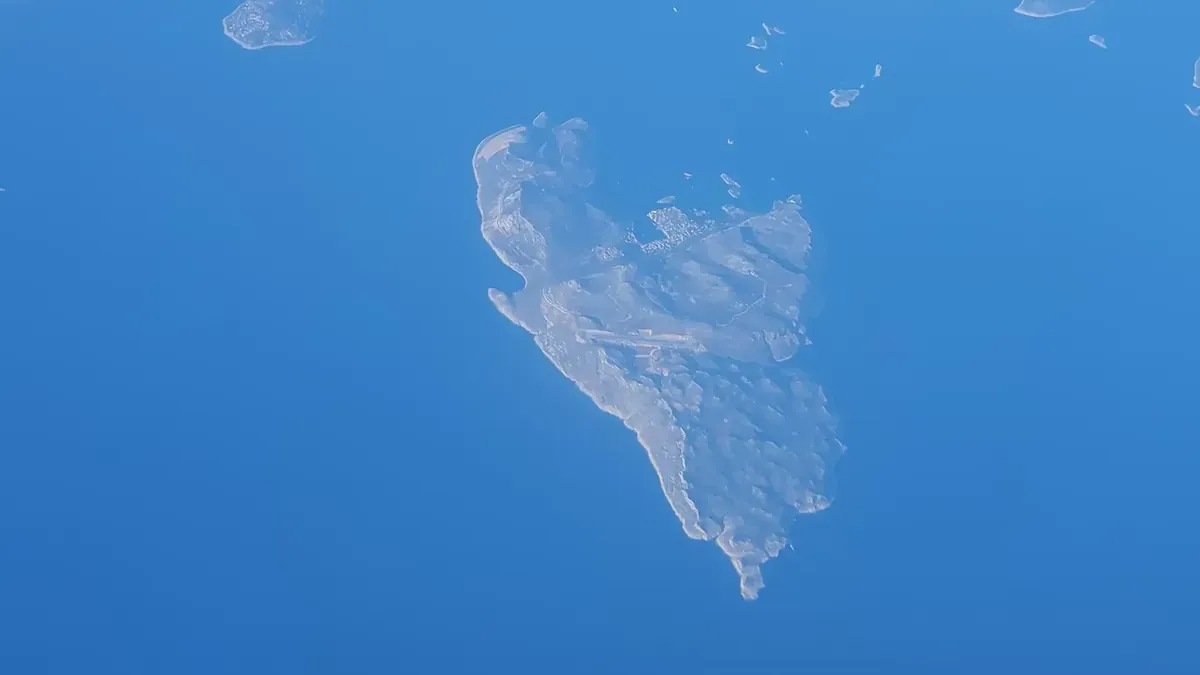
Three sets of treaty provisions are cited in the dispute over the demilitarisation of the Aegean islands: Article 13 of the 1923 Treaty of Lausanne, the 1923 Straits Convention as it applied to Lemnos and Samothrace, and Article 14 of the 1947 Peace Treaty with Italy. Turkey argues that Greek sovereignty over the islands depends on keeping them demilitarised. Greece, in a letter to the United Nations, rejects that link, saying the treaties fixed its sovereignty permanently and that the islands’ maritime rights have nothing to do with demilitarisation.
Key points
- The treaty texts differ by island group: Lausanne restricts four eastern Aegean islands, a 1947 article demilitarises the Dodecanese, and Lemnos and Samothrace are argued over under the 1923 Straits Convention and Montreux.
- Lausanne Article 13 bans a naval base and fortification on Lesbos, Chios, Samos and Ikaria and allows Greek forces of conscripts, gendarmerie and police. The same article requires Turkey to keep its military aircraft from flying over those islands.
- Greece told the UN on 25 May 2022 that Turkey’s linkage of sovereignty to demilitarisation contradicts the principle of “stability and finality” of treaty boundaries.
- Greece also cites Turkey’s 1995 casus belli resolution, military overflights and its armaments opposite the islands as the threat context.
Which islands does each treaty cover?
| Islands | Treaty | What the text says | Dispute |
|---|---|---|---|
| Lesbos (Mytilene), Chios, Samos, Ikaria (Nikaria) | Lausanne, 24 July 1923, Article 13 | No naval base and no fortification; Greek military aircraft forbidden to fly over the Anatolian coast, and Turkey to forbid its military aircraft to fly over the islands; Greek forces limited to the normal conscript contingent trained on the spot plus gendarmerie and police in proportion to those in the rest of Greece. | Turkey says Greece has breached the restrictions. Greece says Article 13 restricts bases and fortifications and does not make sovereignty conditional. |
| Lemnos, Samothrace | 1923 Straits Convention | Cited by both governments as the source of an earlier demilitarised regime. | Greece says the 1936 Montreux Convention abrogated it. Turkey says Montreux ended no obligation binding Greece. |
| Dodecanese (Rhodes, Kos, Leros, Kastellorizo and others) | Peace Treaty with Italy, 10 February 1947, Article 14 | Italy cedes the islands to Greece “in full sovereignty”; “These islands shall be and shall remain demilitarised.” | Greece says Turkey, not a party to the treaty, cannot invoke it. Turkey calls the treaty a demilitarisation treaty “in excelsis”. |
What Lausanne says about the eastern islands
Article 12 of the Treaty of Lausanne, in the text published by the Brigham Young University World War I Document Archive, confirms the 1914 decision of the Conference of London on Greek sovereignty over the islands of the Eastern Mediterranean, naming Lemnos, Samothrace, Mytilene, Chios, Samos and Nikaria. It contains no demilitarisation clause. Article 13 follows, with the restrictions described above, introduced by the words “with a view to ensuring the maintenance of peace”. Our explainer on the treaty is here: Treaty of Lausanne explained: borders, islands and minorities.
Two features of Article 13 are often left out of Turkish accounts. The restriction is on naval bases and fortification, and it expressly allows Greek conscripts to be trained on the islands. And paragraph 2 binds Turkey too: Ankara must forbid its military aircraft to fly over the islands.
The Dodecanese and the 1947 treaty
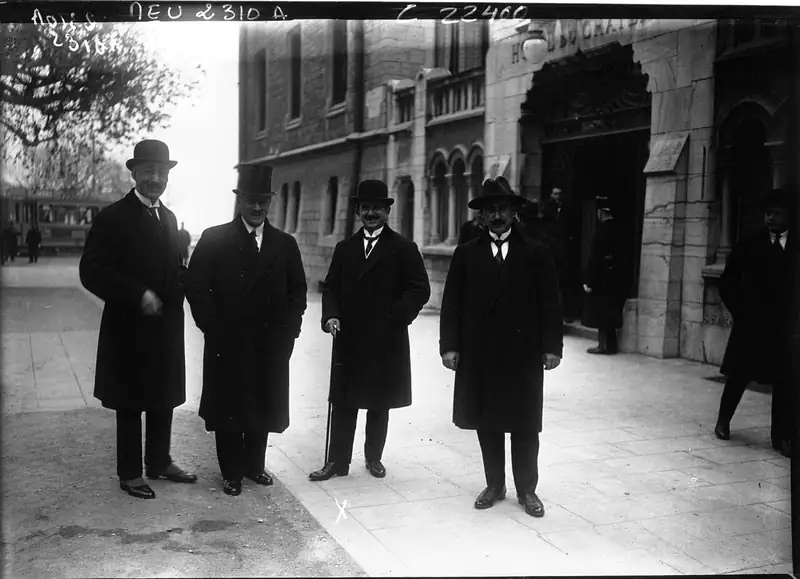
Article 14 of the Treaty of Peace with Italy, in the United States treaty series text, names the islands ceded to Greece and states in paragraph 2: “These islands shall be and shall remain demilitarised.” An annex to the treaty defines the term: it prohibits military installations and fortifications, the stationing of military units and military training, and the production of war material, but does not prohibit internal security personnel equipped with weapons that one person can carry and operate. The islands’ history is told in How the Dodecanese Became Greek: History, 1923 to 1948.
Greece’s position
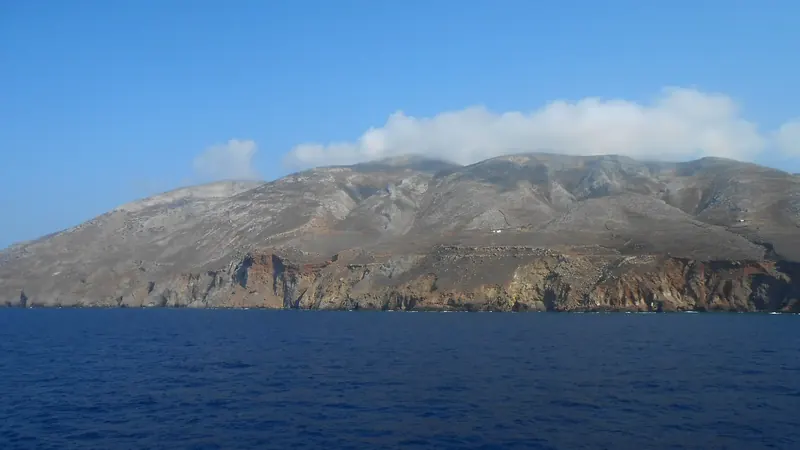
Greece set out its case in a letter of 25 May 2022 to the Secretary-General (A/76/846-S/2022/432). It rejects Turkey’s arguments “as legally, historically and factually untenable” and says that Turkey’s position is “tantamount to calling into question Greece’s sovereignty” over islands that Lausanne and Paris attributed to it. Its main points are these:
- Treaties that fix boundaries or sovereignty aim at “stability and finality”, quoting the International Court of Justice in the Temple of Preah Vihear case, so a boundary acquires “a legal life of its own” independent of the treaty.
- Entitlement to maritime zones flows from sovereignty, so the islands have a territorial sea, an exclusive economic zone and a continental shelf under Article 121(2) of UNCLOS, regardless of demilitarisation (see UNCLOS explained: sea zones, islands and the Aegean dispute).
- The 1936 Montreux Convention abrogated the 1923 Straits Convention and with it the demilitarisation of Lemnos and Samothrace. Greece points to the statement of Turkish Foreign Minister T. R. Aras to the Turkish National Assembly on 31 July 1936 that Greece was under no obligation to keep them demilitarised. See Montreux Convention explained: who can pass the Bosphorus and the Dardanelles.
- The 1947 treaty cannot be invoked by Turkey, which is not a party, and Article 89 of that treaty says it confers no rights on states that are not parties.
The letter adds the security context. It says Turkey has increased its arsenal “to worrying proportions”, much of it positioned opposite the Greek islands, and has made “serious and solemn threats of the use of armed force against Greece (casus belli)”, including in a resolution of the Turkish National Assembly on 8 June 1995. It lists harassment of Greek naval units and research vessels and repeated overflights of Greek territory by Turkish fighter jets, noting that Lausanne Article 13 itself forbids Turkish military flights over the islands. The background to the 1995 threat is in Casus belli explained: Turkey’s 1995 threat of war against Greece. The same Turkish state keeps its army in the occupied north of Cyprus after the 1974 invasion.
Greece closes by calling on Turkey to stop questioning its sovereignty and to commit to settling the one real difference, the delimitation of continental shelves and exclusive economic zones, peacefully and in accordance with international law.
Ankara’s case
Turkey replied in a letter of 30 September 2021 (A/76/379-S/2021/841), written on its government’s instruction. It argues that Article 12 of Lausanne ties Greek sovereignty to demilitarisation, that Montreux created a new regime only for the Straits and ended no obligation binding Greece, that the 1947 treaty creates an “objective regime” Turkey may invoke as an interested state, and that Greece “has forfeited its right to assert the opposability to Turkey” of the treaties by militarising the islands. Turkey draws the link through Article 12’s reference to the 1914 London decision, but Article 12 itself, as published, contains no demilitarisation clause, and the 1947 argument rests on a treaty to which Turkey is not a party.
Euronews reported Turkey’s accusations in 2022.
Sources: Treaty of Lausanne, 24 July 1923 (BYU World War I Document Archive); Treaty of Peace with Italy, 10 February 1947 (US treaty series text); UN document A/76/846-S/2022/432, letter from Greece, 25 May 2022; UN document A/76/379-S/2021/841, letter from Turkey, 30 September 2021.