Greece
Turkish opposition leader Kılıçdaroğlu: if war comes, it is most likely with Greece over the arming of the islands
The leader of Turkey's CHP told reporters that a war with Greece over the islands is the likeliest scenario, citing Bülent Ecevit's 1974 decision, and questioned the US presence in Alexandroupolis. Athens rejects Ankara's reading of the treaties.

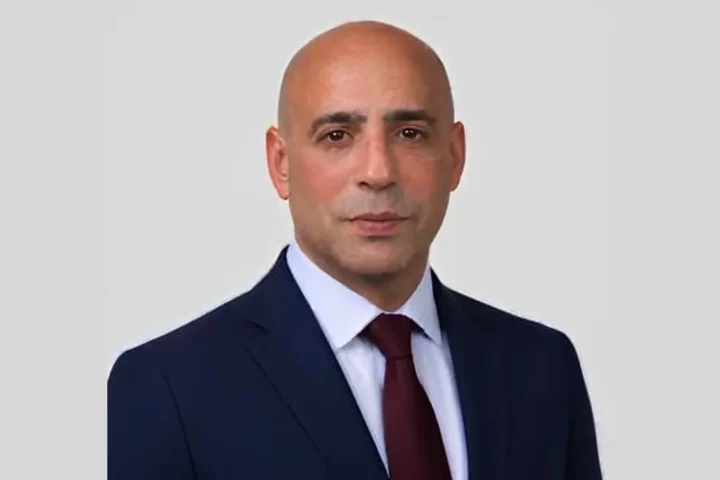
Kemal Kılıçdaroğlu, leader of Turkey’s Republican People’s Party (CHP), said that if Turkey finds itself in a war, the most likely case would be one with Greece over the arming of the Aegean islands. The head of the main opposition party spoke to a group of journalists on Saturday, November 14, and the Turkish outlet T24 published the full questions and answers. In the same remarks he also raised questions about the American presence in Alexandroupolis.
The reference to Greece came when he was asked whether Recep Tayyip Erdoğan would run in the next elections. Kılıçdaroğlu answered that in his view he would not, adding that circumstances could change, for example if a war broke out. “And where is the greatest probability? The greatest probability is with Greece. The arming of the islands,” he said. Asked by a journalist whether he sees such a scenario, he replied: “Normally such a possibility does not appear. But if it were Ecevit, there would be one.” He was referring to Bülent Ecevit, the prime minister who ordered the Turkish invasion of Cyprus in 1974, which resulted in the occupation of 37% of the island that continues today.
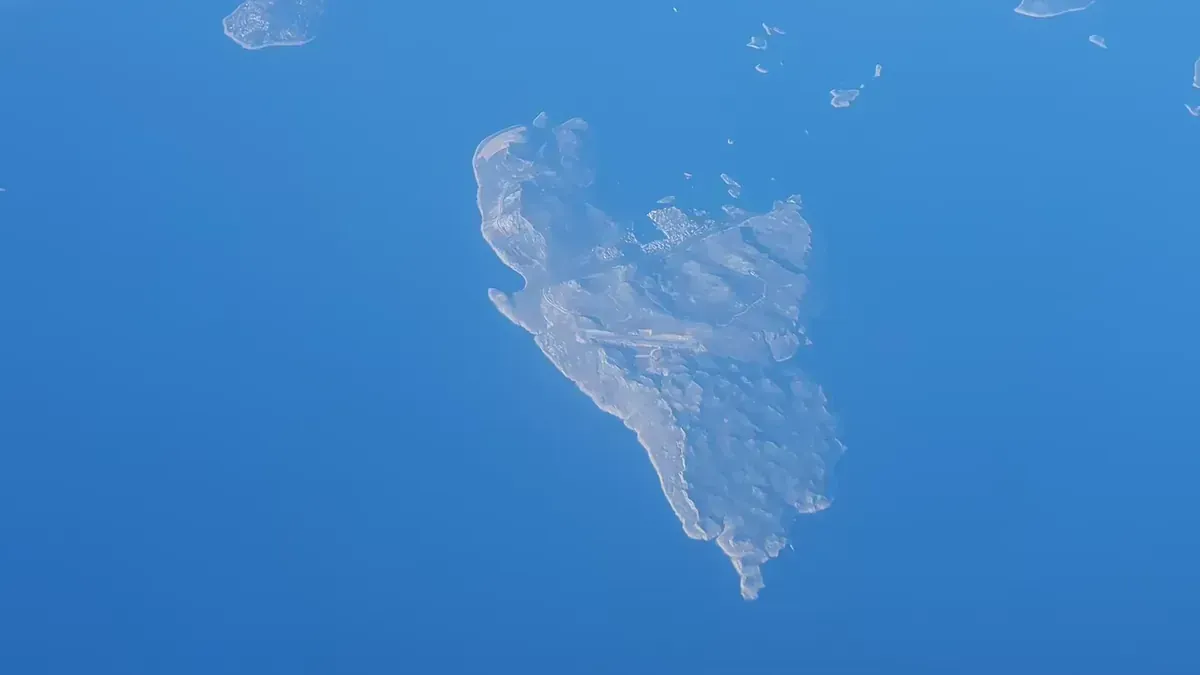
The Turkish politician accused Athens of not honouring international treaties and described what, in his view, an Ecevit government would do: “Empty them by such and such a date, or I will come and empty them myself.” “No one can ignore Turkey to such a degree. They will arm in the Aegean, their commanders will go there to show off, and you will sit and watch from here?” he added. Ankara invokes the Treaties of Lausanne and Paris to demand the demilitarisation of the islands, while Athens rejects that interpretation. The arguments of both sides, and why Greece’s position rests on its sovereign right to defend its islands, are set out in our explainer on what the treaties say about the demilitarisation of the Aegean islands.
Kılıçdaroğlu then turned to Alexandroupolis. “Why did the Americans come and settle in Alexandroupolis? These need to be watched,” he said, and wondered whether their presence concerns the Straits, the search for alternative routes or the weakening of Turkey. He argued that on national issues the opposition must back the state, citing Süleyman Demirel’s support for Ecevit in 1974, and that Turkey says “we have a right here” both in the Eastern Mediterranean and in the Aegean.
In the same remarks Kılıçdaroğlu also discussed the Mecca Pact on joint defence with Pakistan and Saudi Arabia, which Turkey has just completed ratifying. He said he initially had reservations, fearing that without Iran’s consent it could lead to a Sunni–Shia confrontation in the Middle East. As he put it, he believes Ankara conveyed to Tehran through diplomatic contacts that the agreement is not directed against it, and Iran replied that it is not opposed.