Europe
Dynamic Merlin 26: NATO hunts submarines in the Baltic hosted by Sweden – which ships take part and what changes with drones
NATO’s anti-submarine exercise Dynamic Merlin 26 began on November 9 off Sweden and runs to November 13, with eight allied nations, SNMG1 ships and a live drone-defence element.

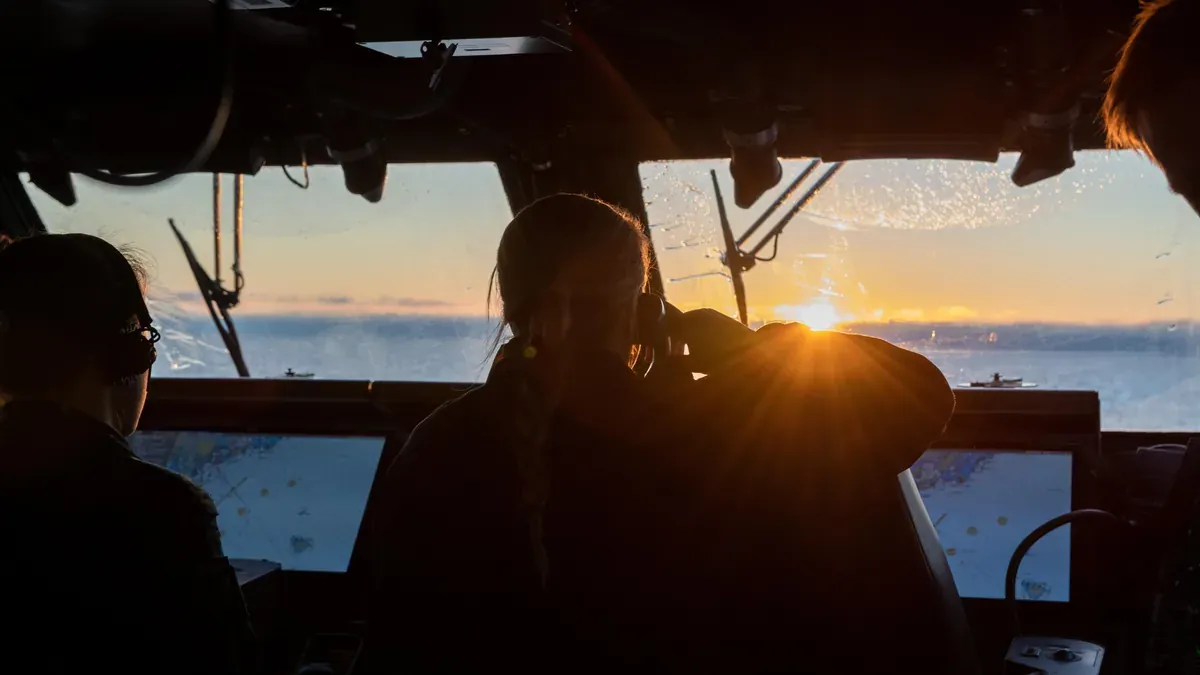
German and Swedish submarines move quietly through the shallow waters of the Baltic, while warships and maritime patrol aircraft try to find them. This is the scenario of NATO’s anti-submarine exercise Dynamic Merlin 26, which began on Monday, November 9 off the Swedish coast and will last until November 13. Allied Maritime Command (MARCOM) describes it as “high-stakes hide-and-seek.”
Sweden hosts for the third time. The Swedish Armed Forces say eight allied nations take part and that Sweden contributes five corvettes, one submarine, one Helikopter 14 (NH90) helicopter and the support ship HMS Trossö. The exercise is now part of NATO’s permanent naval exercises.
The ships and aircraft
MARCOM lists surface ships of NATO’s Standing NATO Maritime Group 1 (SNMG1), from Canada, Denmark, Finland, Germany, the Netherlands and Sweden, together with maritime patrol aircraft from France, Germany, Sweden and the United Kingdom. The flagship of SNMG1 is the Dutch combat support ship HNLMS Den Helder. The force is completed by Germany’s FGS Berlin, Canada’s frigate HMCS Ville de Québec, Denmark’s anti-submarine frigate HDMS Esbern Snare and Finland’s missile boat FNS Hamina. Thousands of military personnel take part.
The Alliance links Dynamic Merlin with the Dynamic Manta exercises in the Mediterranean, Dynamic Mongoose in the North Atlantic and its predecessor, Playbook Merlin, and says it brings new tactics, technologies and lessons for an increasingly complex underwater environment. The first edition took place in 2024, while last year, as Playbook Merlin 25, it gathered nine countries.
“Sweden is ready to take great responsibility within the Alliance and hosting this exercise is just one example,” said the Swedish Navy chief, Rear Admiral Johan Norlén. The Swedes showcase their long experience in submarine hunting and their knowledge of the Baltic’s shallow waters and varied seabed, which pose particular demands on naval forces.
Drones without warning
Before sailing, commanders spoke to reporters aboard Den Helder in Stockholm, among them the UK Defence Journal. Rear Adm. Norlén called the Baltic a “hotspot for a long time” and explained that cold river water creates layers of different temperature, while the seabed “always plays a role.” Rear Adm. John Craddock, NATO Submarines commander, said there will be a drone-countering element too, to show what works and what needs to be bought.
French Rear Adm. Nicolas Moliterni, SNMG1 commander, added that drone attacks will be carried out “live” and without warning, to test counter-drone systems already carried by some ships. He also stressed that NATO’s presence in the area has increased for a better picture of the situation and to protect sea lanes.
Sweden’s navy is also investing in new surveillance assets, such as the four Saildrone maritime drones for the Baltic, while in France the first Swedish FDI frigate is already under construction.