Military & Defense
Finland joins France’s European nuclear deterrence initiative
Finland has become the tenth participant in France’s forward nuclear deterrence initiative, describing it as a complement to NATO’s existing arrangements.

Finland has joined France’s forward nuclear deterrence initiative, expanding a European framework intended to deepen consultation and exercises around France’s nuclear forces. Finnish leaders stressed that participation complements NATO’s nuclear deterrence and does not mean that nuclear weapons will be stationed in Finland during peacetime.
The initiative was announced by France in March as European governments reassessed how much responsibility they must assume for the continent’s defence. France is the European Union’s only nuclear-armed state and keeps national authority over any decision to use its arsenal. Participation by partner countries therefore creates a mechanism for consultation and military cooperation without transferring launch authority or establishing a shared European nuclear command.
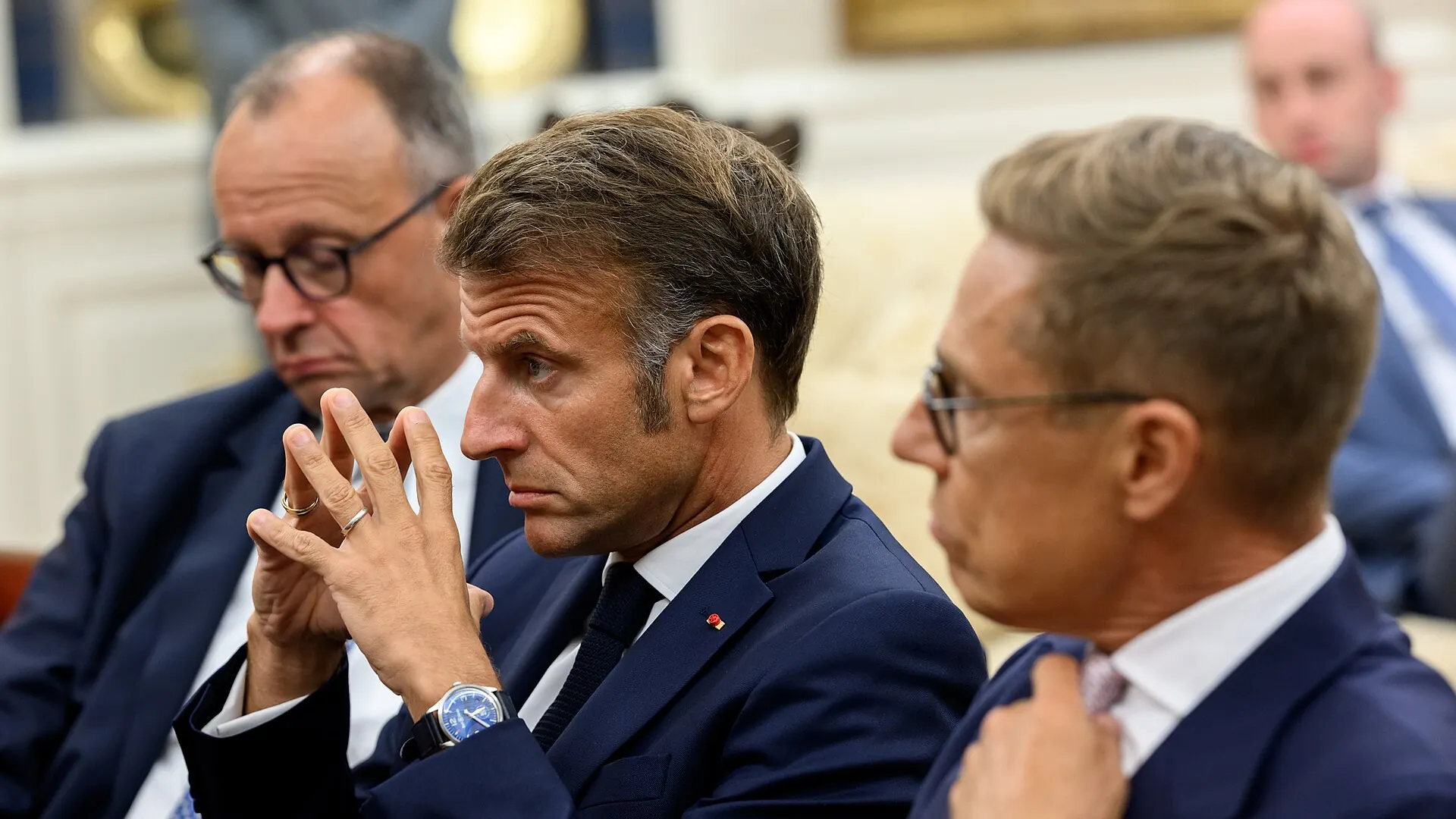
President Alexander Stubb said Finland’s decision was consistent with its role as a NATO ally. Defence Minister Antti Häkkänen described the step as a natural extension of closer European defence cooperation. Finland joins a group that now includes ten European countries, including Nordic partners Norway, Sweden and Denmark.
The framework may involve joint exercises, security consultations and the temporary presence of nuclear-capable aircraft or other assets on allied territory. Finnish officials drew a clear distinction between such activities and the permanent deployment of nuclear weapons. Finland’s national law and NATO policy remain the governing basis for activities on Finnish territory.
Finland’s geographical position gives the decision added weight. The country shares a long border with Russia and joined NATO after Moscow’s full-scale invasion of Ukraine transformed public and political attitudes toward military non-alignment. Since accession, Helsinki has expanded cooperation with allied forces, increased defence spending and developed plans for receiving reinforcements in northern Europe.
France’s initiative remains separate from NATO’s Nuclear Planning Group, through which allies discuss the alliance’s nuclear policy. Paris does not participate in that group because it maintains an independent deterrent. The French-led format is therefore designed to add a European channel rather than replace NATO’s established nuclear arrangements.
The discussion also reflects the different layers of European deterrence. The United States and Britain provide nuclear forces to NATO strategy, while France maintains an independent arsenal and national doctrine. Participating in the French initiative allows European states to understand how that deterrent could contribute to continental security without changing ownership of the weapons. For Finland, the benefit is primarily access to planning, exercises and political consultation. The limits are equally clear: Paris keeps the final decision, and Helsinki has ruled out peacetime basing.
Participation may also help Finnish planners understand French procedures for exercises, signalling and consultation during a crisis. It does not alter the nuclear non-proliferation obligations of either country or create an automatic French guarantee outside existing alliance commitments.
No nuclear deployment was announced with Finland’s accession. The immediate change is political and institutional: Helsinki will take part in consultations and activities intended to connect France’s national deterrent more closely with the security planning of participating European states.