Middle East & North Africa
Strait of Hormuz: the Revolutionary Guards say two tankers are burning – what they claim about US fighter jets – sources
The IRGC Navy says two tankers that tried to use an “unapproved” route are burning off the Strait of Hormuz’s southern coast, one after hitting a mine; UKMTO separately reported a projectile strike on a tanker off Oman.

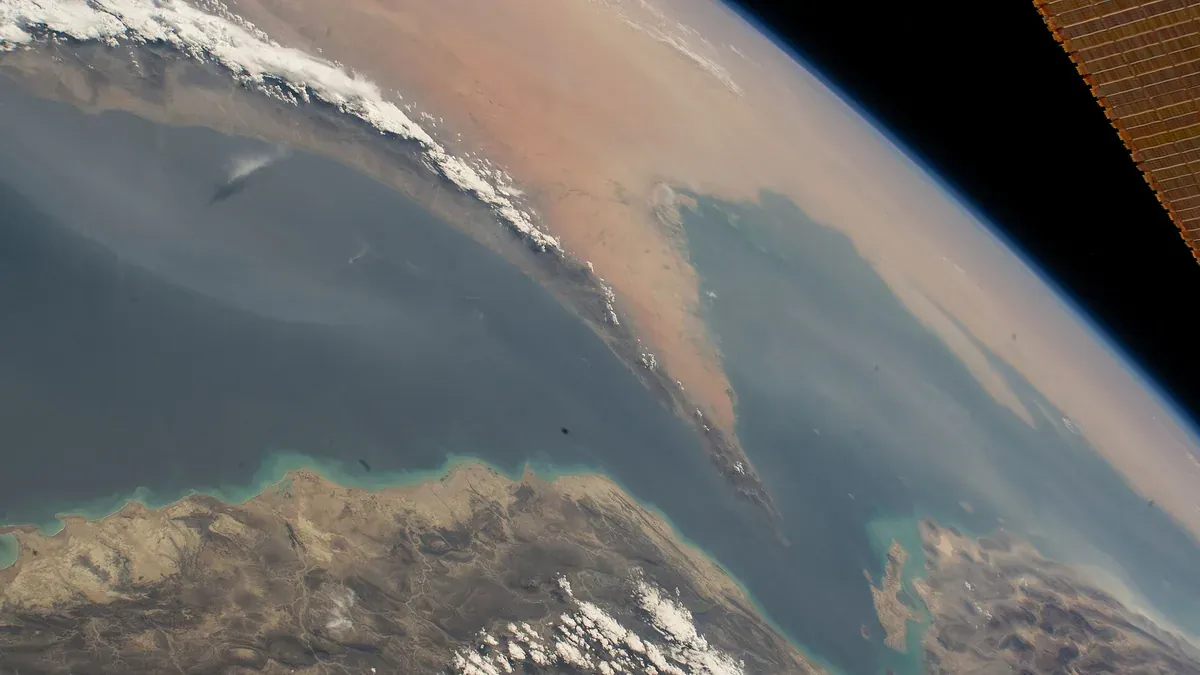
The Revolutionary Guards (IRGC) Navy issued a new announcement on Tuesday, November 10 about burning tankers in the Strait of Hormuz. According to the Iranian account, two oil tankers that tried to pass along a route Tehran considers “unapproved” were immobilised and are burning near the southern coast of the Strait.
The first, which the Guards describe as a supertanker, hit a naval mine and suffered an explosion. For the second, the Guards Navy statement claims it was moving under the cover of American fighter aircraft and trying to pass covertly when it was involved in an “incident” and stopped, engulfed in a large fire. The Iranian claims have not been independently confirmed.
The Guards accuse both crews of having switched off all navigation and identification systems before they met what they call the “wall of fire” of the Strait. The statement ends with the now-standard warning: the route without Iranian permission “is not safe,” and any ship cooperating with the “terrorist and aggressive US military” and trying to use it will meet the same fate.
Separately, the British maritime security organisation UKMTO recorded on Tuesday a strike by a projectile of unknown origin on a tanker about 19 nautical miles north-east of Limah, on Oman’s Musandam peninsula. The crew is safe, no environmental impact was reported and the vessel would assess the damage at first light.
The same picture for a second week
Announcements of ships “hitting mines” on the unapproved route follow one another. On November 6 the Guards had spoken of two more tankers in flames from mines, with the same accusation of switched-off identification systems, while on Saturday, November 7 the regular Iranian Navy announced a new oil tanker immobilised by a mine. Over the weekend new claims followed of two tankers on mines and a third that caught fire. One of the ships in those days was identified, with reservations, by open-source analysts as the oil products tanker Navig8 Messi, hit north-west of Khasab in Oman, with the crew evacuated without injuries. All this came as the Guards claimed they had destroyed navigation systems in the southern part of the Strait. On Monday, November 9 the corps’ spokesman, Brigadier General Hossein Mohebbi, rejected as a “lie” reports that the mines in the passage had been cleared.
Since the start of the US-Israeli war against Iran on February 28, Tehran has demanded that ships follow only the routes it approves, while the US responded from April with a blockade of Iranian ports. Washington, for its part, supports the transit of merchant ships through the passage, which in normal conditions carries about one fifth of the world’s oil consumption.