Asia-Pacific
Afghanistan: UN aid office says nearly 16 million face crisis-level hunger and warns of a worse winter
A UN humanitarian spokesperson back from field visits says food is available but unaffordable for millions, and that hunger could rise for about 19 million people once winter begins.

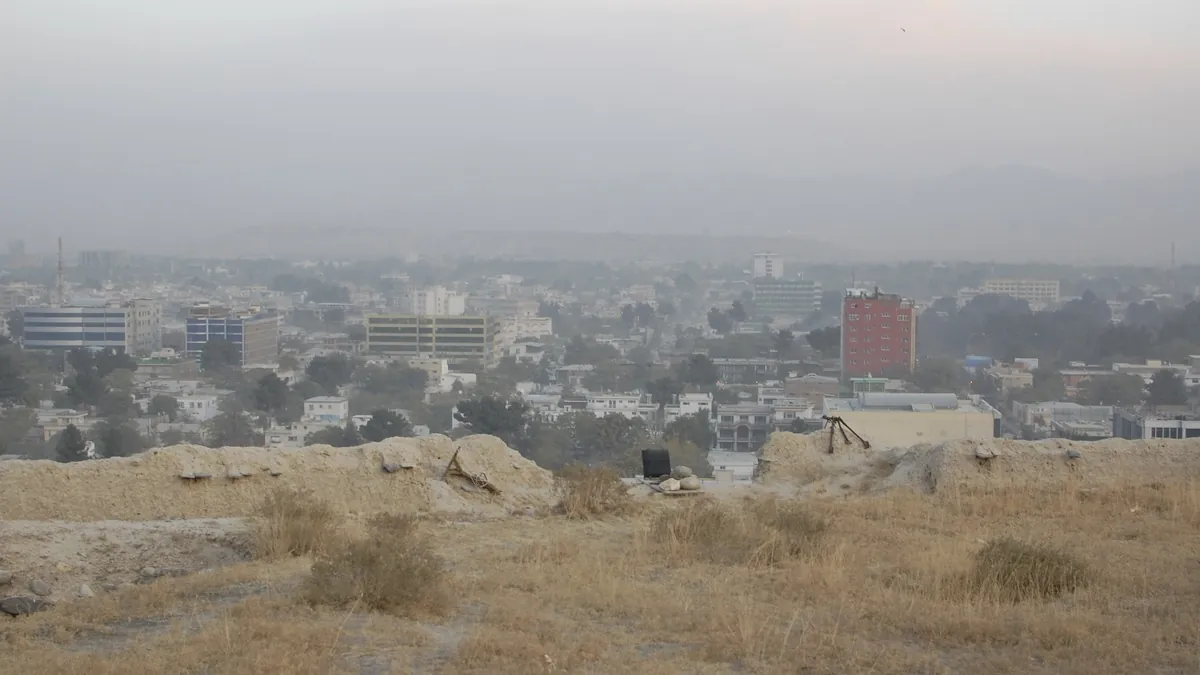
Nearly 16 million people in Afghanistan are facing crisis-level hunger, about 3.4 million of them in emergency conditions, a spokesperson for the UN humanitarian coordination office (OCHA) said on 20 October. Olga Cherevko, briefing from Kabul after field visits to the south and north-east of the country, said food is available in markets but remains out of reach for millions of families, according to UN News.
Food is there, but families cannot afford it
“A harvest can improve, markets can have food, but families can still go hungry,” Cherevko said, calling that one of the clearest conclusions of her visits. She described a crisis that is about whether people can afford food, earn an income, reach basic services, or have anything left to fall back on when the next shock arrives.
She cited the latest findings of the UN-supported global food security monitor, the IPC, which recorded record levels of acute malnutrition for the August to October period. Hunger is expected to rise for around 19 million people once winter begins next month, and she said the outlook “is deteriorating”.
Women and girls
Cherevko also pointed to the Taliban authorities’ systematic exclusion of women and girls from schools and public life, which she said will shape the country long after the next lean season. She referred to a UNICEF report warning that, if current restrictions continue, Afghanistan could lose up to 20,000 women teachers and 5,400 female health workers by 2030. Because maternal health, education and women’s ability to earn all affect nutrition, she said, the restrictions weaken families’ ability to protect their children.
The European Union’s special envoy raised the same restrictions during a visit to Kabul this month, as reported in EU envoy Frellesen visits Kabul and presses on women’s rights, security and Afghanistan-Pakistan dialogue.
Aid alone is not enough
Humanitarian assistance must continue, Cherevko said, but “we cannot keep asking humanitarian aid to compensate indefinitely for the absence of economic opportunity and essential public services.” She called for sustained investment in agriculture and rural livelihoods, local markets, employment, water systems, health and nutrition services, and opportunities for women to take part in economic life. “We must act before winter, not after families have exhausted their options,” she said.
According to the UN, from January to July its agencies and humanitarian partners reached 8.3 million people with at least one form of assistance. UNICEF supports primary education and community-based learning, the World Food Programme delivers food and treatment for malnourished children, and the World Health Organization provides health care for returnees and families in eastern Afghanistan.