Politics & Diplomacy
Nearly 100 states and groups back two-state push at UN meeting
A UN meeting of nearly 100 states and organizations renewed calls for a two-state solution and detailed steps on Gaza, the West Bank and Palestinian governance.

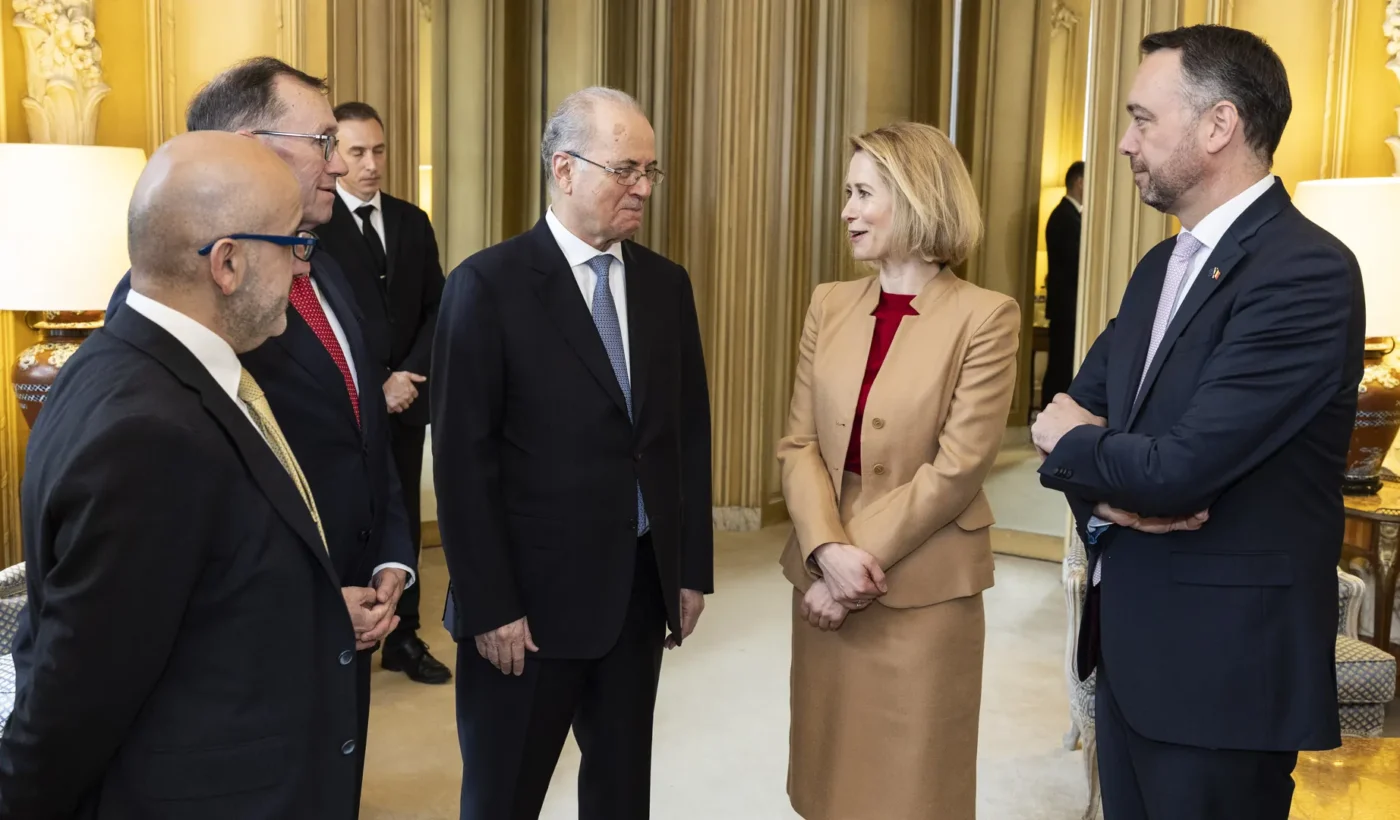
Co-chairs of an international alliance for a two-state solution said nearly 100 states and organizations attended a ministerial meeting beside the UN General Assembly in New York on 24 September. The Palestinian prime minister and the Board of Peace high representative for Gaza also participated, according to the co-chairs’ statement published by the European External Action Service. The group renewed its call for a Palestinian state alongside Israel and set out immediate steps it wants taken in Gaza and the occupied West Bank.
The Global Alliance for the Implementation of the Two-State Solution said Palestinian self-determination and Israel’s lasting security should be pursued together. Its statement described the West Bank, including East Jerusalem, and Gaza as a single Palestinian territory. It called for a sovereign, democratic and viable Palestinian state on the basis of the 1967 lines, in accordance with international law and relevant UN resolutions. These are the alliance’s stated aims, not a new agreement between Israel and the Palestinians.
On the West Bank, the co-chairs warned that settlement expansion, including in the E1 area, demolitions, threats of annexation and settler violence were eroding the territory’s continuity. They called for those measures to stop and for accountability for settler violence. The statement also urged preservation of the historic and legal status quo at Jerusalem’s holy sites. The alliance linked its concerns about territorial fragmentation to the viability of any future two-state settlement.
For Gaza, the statement called for consolidation of the ceasefire, the disarmament of Hamas and other armed groups, and full Israeli withdrawal through credible, verified implementation. It supported arrangements for a security transition and training of a vetted Palestinian police service. It also urged rapid, safe and unhindered humanitarian access, including through UN agencies and UNRWA, and coordinated financing for recovery and reconstruction.
The co-chairs said transitional arrangements in Gaza should lead to its reunification with the West Bank under one legitimate Palestinian government. They endorsed the respective mandates of the Board of Peace, its high representative and other mechanisms named in their statement. The group called for a politically and financially viable Palestinian Authority, including release of withheld clearance revenues, direct donor support, reform and national elections.
The alliance cited the New York Declaration, the Comprehensive Peace Plan and UN Security Council Resolution 2803 as parts of its diplomatic framework. It said it rejected terrorism, incitement and dehumanization, and urged leaders not to portray the territorial and political dispute as a religious conflict. The statement referred to international law and the International Court of Justice’s July 2024 advisory opinion.
The gathering followed a year of diplomacy since the New York Declaration. The co-chairs addressed Israelis, Palestinians and the wider international community in their closing appeal, asking governments to act to preserve the basis for two states. Their immediate requests concern developments on the ground: settlement activity, the Gaza ceasefire, humanitarian access and a unified Palestinian political future.