Asia-Pacific
Guterres urges North and South Korea to restore military hotlines as DMZ tensions mount
The UN Secretary-General's spokesperson said Guterres is concerned about possible escalation across the Demilitarized Zone and wants military-to-military communication restored to avoid accidents.

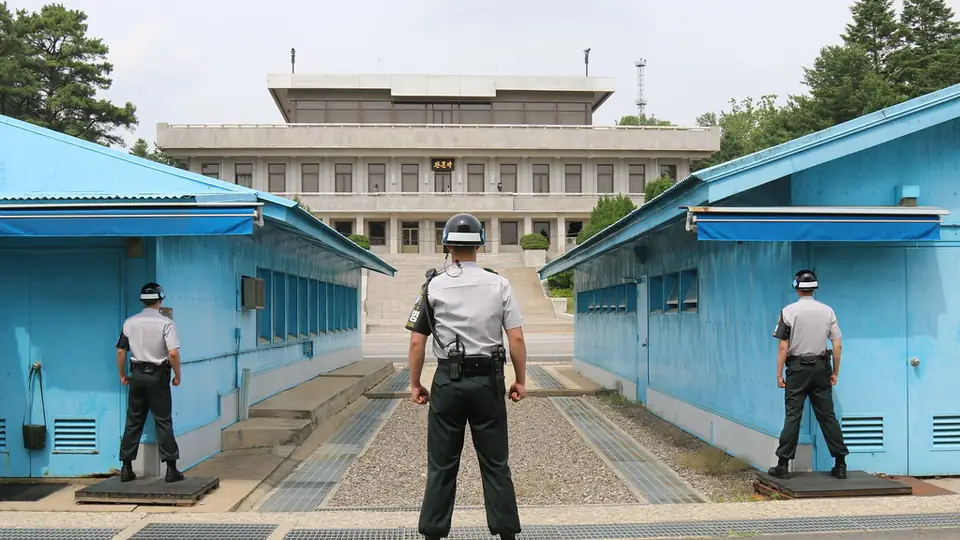
UN Secretary-General António Guterres remains concerned about the situation on the Korean Peninsula, including the potential escalation of tensions across the Demilitarized Zone (DMZ), his Spokesperson said on Thursday, November 5. Speaking to journalists in New York, Stéphane Dujarric said the Secretary-General urged North Korea and South Korea to resume communication channels, including at the military-to-military level, in order to avoid unintended accidents or miscalculations.
According to the UN account of the briefing, Dujarric quoted the Secretary-General as saying that “diplomatic engagement and renewed dialogue remain the only pathway to reduce tensions and to achieve sustainable peace on the Korean Peninsula.” The statement named no specific incident and no date for any talks.
Why the appeal comes now
The warning follows a month of rising friction. As Geopolitiki has reported, mine explosions on the border on September 21 wounded three South Korean soldiers. On September 30, South Korea’s military and the United Nations Command concluded that North Korea had violated the Korean War armistice, and Seoul demanded an apology; Pyongyang denies responsibility. Our report on the missile launch from Wonsan amid the dispute over DMZ mines sets out those positions.
Weapons tests have continued since. North Korean state media said on November 5 that Pyongyang had tested a new anti-aircraft missile system and a long-range cruise missile unit in a strike drill on a mock airfield, the fourth test in a week; see North Korea: new air-defence system and a cruise missile in a strike drill on a mock airfield, the fourth test in a week. South Korea’s Joint Chiefs of Staff had earlier detected launches towards the Sea of Japan, as covered in North Korea fires missiles towards the Sea of Japan hours after denying the Binance hack.
What the UN is asking for
The appeal focuses on restoring direct contact between the two militaries. The UN did not say whether either government has responded to it. The Korean Peninsula remains technically at war, since the 1950-53 conflict ended in an armistice rather than a peace treaty, which is why communication between the two sides, and with the United Nations Command that oversees the armistice, is considered a safeguard against accidental clashes.