Middle East & North Africa
Mojtaba Khamenei after the US midterms: those expecting a change of course are making “a grave mistake”; a new attack will bring a far bigger response
Iran’s Supreme Leader said anyone hoping Washington will change course after the Republicans’ midterm defeat is making a grave mistake, and warned that if the US attacks again Tehran will respond on a much larger scale.

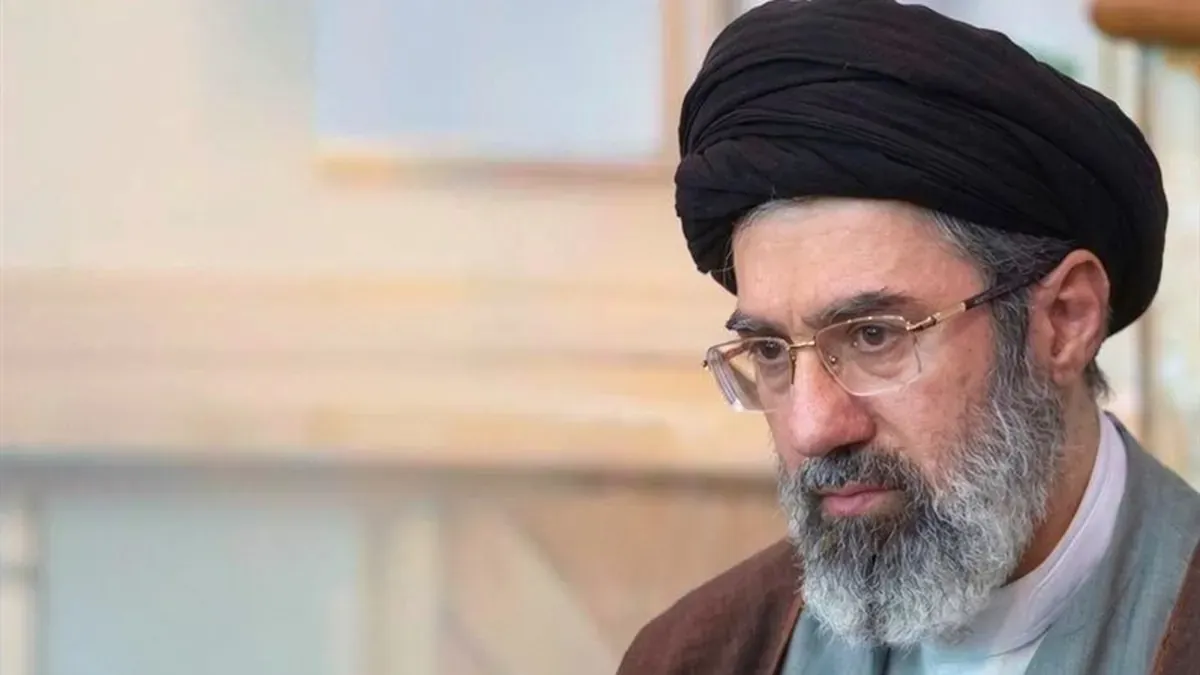
Mojtaba Khamenei, Iran’s Supreme Leader, said that anyone expecting a change of course by Washington after the Republicans’ crushing midterm defeat is making a grave mistake. In a written message posted on his website on Wednesday, November 4, marking the “National Day of Struggle against Global Arrogance”, he warned that if the US attacks again, Tehran will respond on a much larger scale.
“Those who still harbour even the slightest hope that the behaviour of the hegemonic system can change through party shifts, or who imagine that concessions from the United States will change hostility towards the Iranian nation, are making a grave mistake,” Khamenei wrote.
The end of American hegemony “near”
The Iranian leader argued that the road to “absolute deterrence” goes through an “even stronger Iran”. He presented the destruction of American bases in the region and Tehran’s management of the Strait of Hormuz as part of a campaign against American hegemony. “The US sees the end of its hegemony as distant, we see it as near,” he noted, warning that even the slightest inclination to submit to the hegemonic enemy would bring more bloodshed.
It is not the first time in a few days that Khamenei has raised his tone. On October 31 he ordered the armed forces to respond “without geographic limits” and to update the “bank of targets”, wording repeated by the Revolutionary Guards in their own statement on the anniversary of the 1979 seizure of the US embassy. These are statements by one side of the conflict.
The mediators and the seven conditions
The message comes as mediators, among them Qatar, Russia and China, have been trying in recent days to make progress in Tehran-Washington talks and to avert a new American strike, after the strikes on Qeshm island; see our report on Qeshm. Mohsen Rezaei, secretary of the Supreme National Security Council, who recently received a letter from US Vice President JD Vance, wrote on X that the American answer to Iran’s rights and demands “was not convincing”. He insisted that Washington must answer fully and explicitly Tehran’s seven conditions, and only then “will the Strait of Hormuz open”.
Earlier, Parliament Speaker and chief negotiator Mohammad Bagher Ghalibaf had commented on the election result. “Whether out of conscience or because of the cost of living, the Americans said no to the war and we support that message,” he wrote on X. For the American side, see our reports on the Democratic win in the Senate and on Trump’s interview with the Financial Times.